
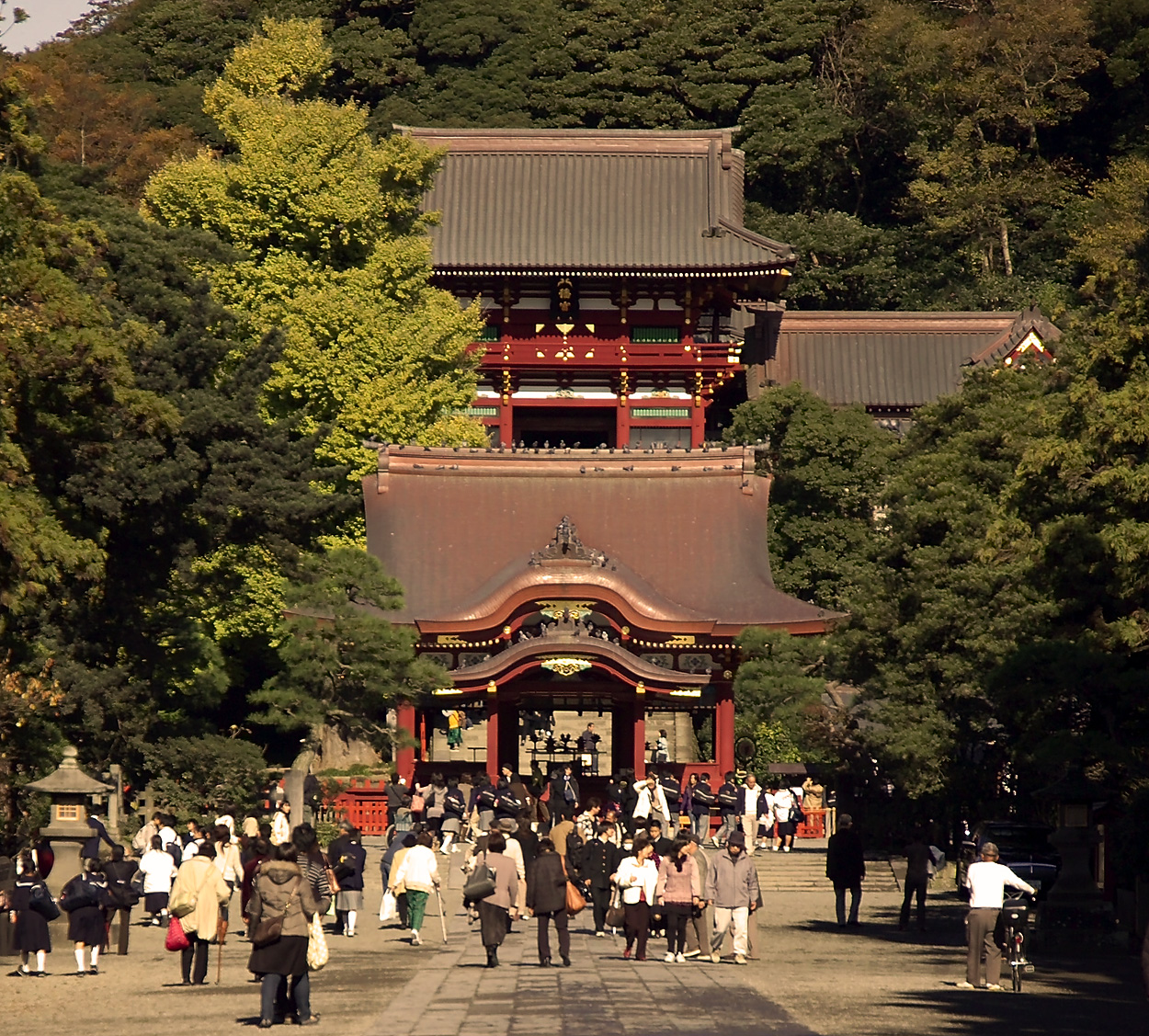

Overview
鎌倉市(かまくらし)は、神奈川県の南東部に位置する市。人口は約17万人。三浦半島西側の付け根にあり、歴史的都市鎌倉が市域の中心にある。古都保存法の「古都」に指定されている自治体の一つである。
Interested in working with us in the future?
Follow to see new jobs and posts in your feed.
No news yet.
About

鎌倉市(かまくらし)は、神奈川県の南東部に位置する市。人口は約17万人。三浦半島西側の付け根にあり、歴史的都市鎌倉が市域の中心にある。古都保存法の「古都」に指定されている自治体の一つである。
Kaynak: Wikipedia · CC BY-SA 4.0
概要
鎌倉市は横浜市の南西、藤沢市の東、逗子市の北西に位置し、南は相模湾に面している。年間平均気温は16.9℃。三方が低い山で囲まれ、海に面する地である。かつては自然の要塞を活かして鎌倉幕府が置かれ政権の要の地となり、日本史の時代区分でもある「鎌倉時代」の由来にもなった。市章も頼朝の笹竜胆紋に由来する。今日では旧腰越町や旧大船町など、いわゆる「三方を山に囲まれた鎌倉」の外側に位置する地域も市内に含まれる。鎌倉は地域内に多くの歴史遺跡を持つ「古都」であるが、後述の通り室町時代中期以降に衰退したため「都市・鎌倉」としての歴史は連続していない。ゆえに中世以来の建造物は限られる。
江戸時代後期になると、地域内の寺社が多くの参詣客を集めるようになるが、明治初期の段階でも鎌倉大仏(高徳院)や長谷寺を擁する長谷(はせ)地区に都市的な集落が分布するのみで、現在の鎌倉市の中心市街地は形成されていなかった。明治初期、現鎌倉市域を含む鎌倉郡を管轄する郡役所は戸塚(現在の横浜市戸塚区)に置かれた。
明治中期以降、保養・別荘地として、昭和以降に観光地として改めて「都市・鎌倉」の発展を見たのである。横須賀線の開業により都内からのアクセスが向上し、戦前には多くの文学者が鎌倉に移住し、彼らは「鎌倉文士」と呼ばれた。市内の55%が都市計画法における風致地区に指定されており、鎌倉山など市内には高級住宅街が点在する。古都保存法における指定都市でもあり、景観保護の点から土地利用に制限がかけられている。また、江ノ島電鉄線(江ノ電)沿線には由比ヶ浜や七里ヶ浜などの有名海水浴場が所在し、隣接する藤沢市などの湘南地区や逗子・葉山とともにマリンスポーツが盛んなエリアである。
地理

河川
市内を流れる河川は主な物で三本。全て二級河川である。これに支流や準用河川が加わる。
海域
海域は市の南側に広がっている。南海トラフ巨大地震が発生した際には、最大8mの津波が到達することが予想されている。これは神奈川県下の市町村で最も高い値(逗子市と同値)である。
地域
鎌倉市内では、一部の区域で住居表示に関する法律に基づく住居表示が実施されている。
扇ガ谷、大町、御成町、極楽寺、小町、材木座、坂ノ下、笹目町、佐助、十二所、浄明寺、二階堂、西御門、長谷、由比ガ浜、雪ノ下、稲村ガ崎
通勤率と就業者
東京都特別区部への通勤率は23.5%・横浜市への通勤率は18.5%である(いずれも平成22年国勢調査)。
当地に常住する15歳以上就業者は72,820人。うち他市区町村で従業している者は44,730人と、全体の61.4%である。他市区町村への従業先1位は東京都特別区部の17,093人、2位は横浜市の13,459人、3位は藤沢市の4,418人、4位は川崎市の1,675人、5位は横須賀市の974人である(平成22年国勢調査による)。
歴史

旧石器~縄文
鎌倉市内には多くの遺跡(埋蔵文化財包蔵地)があるが(※特に旧鎌倉中心部はほぼ全域が遺跡のエリアとなっている)、旧石器時代~縄文時代の遺跡(東正院遺跡・玉縄城遺跡・粟船山遺跡など)は、関谷や玉縄、大船など、主に旧鎌倉の外側にあたる市域北西部に分布している。
弥生時代
弥生時代に入ると、台地以外でも、滑川沿いの沖積地(大倉幕府周辺遺跡群)や、由比ヶ浜沿岸の砂丘(由比ヶ浜南遺跡・長谷小路周辺遺跡など)で弥生時代集落が出現する。
古墳時代
古墳時代中頃後半(5世紀末)には、この砂丘地帯に向原古墳群という古墳群が造られ、埴輪が出土している。また古代豪族「鎌倉別(かまくらのわけ)」の本拠であったと考えられており、丘陵部に横穴墓群が多数形成された。鎌倉市から隣の横浜市栄区あたりまで存在している横穴墓遺跡の中には、特徴的な形をした玄室を持つものがあり、旧鎌倉郡に分布しているとして「鎌倉型横穴墓」(鍛冶ヶ谷式横穴墓)と呼ぶ事がある。また、浦賀水道の海路を介して房総半島へ抜けるルートの古東海道が通っており、古代交通の要衝であった。
奈良時代
奈良時代から平安時代前期には、鎌倉郡の郡衙が設置された。郡衙跡は御成小学校を中心とする今小路西遺跡で、コの字形に並ぶ大型掘立柱建物や、「天平5年(733年)」銘の木簡が出土している。
中世
平忠常の乱の際、平直方による鎮圧が失敗、実際に乱を征圧した源頼信の功により、その子源頼義の頃に畿内の河内国石川郡壷井(現・大阪府羽曳野市壷井)を本拠地とした河内源氏の所領となる。頼義の子で河内源氏三代目棟梁の八幡太郎義家の4代後の源頼朝が鎌倉幕府を置いて武家政権を成立させ、鎌倉街道も整備される。幕府の要職に就いた有力御家人は鎌倉に居を構え、また海に面した特徴を生かした海上交易も隆盛し、鎌倉五山なども置かれ関東における文化的中心地となる。
なお、九条兼実の日記『玉葉』の寿永2年(1183年)の記事に「鎌倉城」という言葉があることから、赤星直忠の研究以来、中世当時の鎌倉は全域が城郭都市と見なされていたとする説がある。ただしこの言葉の解釈をめぐっては、赤星により防御施設遺構の例として挙げられた「お猿畠の大切岸」などに代表される山上の切岸状人工地形が、建築土木材用の石切場(採石場)であることが発掘調査で判明したことや、『玉葉』での「城」という言葉が、城郭というより源頼朝(源氏)の「本拠地」という意味合いで使われているとする齋藤慎一の指摘などがあり、鎌倉=城郭都市と見なすかについては諸説がある。
貞応3年6月28日(1224年7月16日)には北条泰時が執権に就き、連署や評定衆を置いて幕府の合議制を確立するとともに、政権を頼朝以来幕府が置かれた大倉幕府から宇都宮辻子沿いの宇都宮辻子幕府に移し、貞永元年(1232年)には御成敗式目を制定して幕府の体制を磐石なものとした(1236年(嘉禎2年)には、宇都宮辻子幕府から若宮大路幕府へ移転または改築)。
元弘3年/正慶2年(1333年)に後醍醐天皇の討幕に呼応した上野国(群馬県)の河内源氏義家流・新田義貞は、分倍河原などで鎌倉幕府を専横した桓武平氏流北条氏の兵を撃破し、鎌倉へ進撃して泰時以来の菩提寺である東勝寺で北条氏一族を滅亡させた(東勝寺合戦)。由比ヶ浜沿岸部の由比ヶ浜南遺跡や由比ガ浜中世集団墓地遺跡は、発掘調査により中世に集団墓地であったことが解っているが、1953年(昭和28年)の鈴木尚による調査では大量の刀創などのある人骨が出土している。
京都で後醍醐天皇の建武の新政が始まると義貞は召還され、京都の六波羅探題を滅亡させるなど討幕に功のあった一族の足利尊氏の弟である足利直義や一門の細川氏などが親王を奉じて下り、鎌倉将軍府が成立。北条氏一族の残党が中先代の乱を起こし鎌倉が陥落すると尊氏は討伐に向かい、そのまま新政から離反して鎌倉で恩賞の授与などを行うが、尊氏は追討に派遣された義貞らを撃破し、京での戦いに負け九州落ちした後に北朝を樹立して武家政権を設立し、鎌倉へは子の足利義詮を派遣する。足利家の内紛が観応の擾乱と呼ばれる内乱に発展すると義詮は京へ呼び戻され、代わりに尊氏の次子の足利基氏が鎌倉へ派遣されて鎌倉府を設置し、以後鎌倉公方として関東統治を行う。
室町時代には鎌倉公方は幕府と対立し、鎌倉公方を補佐する関東管領とも対立したことなどにより上杉禅秀の乱、永享の乱、結城合戦などの騒乱が起こる。享徳4年(1455年)には享徳の乱で足利成氏が下総国古河へ移り古河公方を成立させたことにより鎌倉は衰退する。
行政
市長
2009年(平成21年)10月25日初当選(36歳、無所属)、11月1日就任、2013年(平成25年)10月31日退任。同年10月27日再選(40歳、無所属)、11月1日再任、2017年(平成29年)10月31日退任。同年10月22日再選(44歳、無所属)、11月1日再任。2021年(令和3年)10月31日退任。同年10月17日再選(48歳、無所属)。11月1日再任。現在は4期目で、任期満了日は2025年(令和7年)10月31日。
比留間 彰(ひるま あきら):2022年(令和4年)4月1日初就任。任期満了日は2026年(令和8年)3月31日。
千田 勝一郎(ちだ しょういちろう):2019年(平成31年)1月7日初就任。任期満了日は2023年(令和5年)1月7日。
出典1 - 選挙管理委員会事務局 (2015年10月15日). “過去の選挙記録 - 鎌倉市の選挙”. 公式ウェブサイト. 鎌倉市. 2018年3月22日閲覧。 ※第21代まで。
出典2 - 経営企画部秘書広報課 (2015年1月23日). “歴代市長”. 公式ウェブサイト. 鎌倉市. 2018年3月22日閲覧。 ※第22代まで。
首長の代数(歴代)の数え方は何種類もあるが、本節では (a)(b) を添える形で書き分けながら解説する。表示欄では「代(a)」「代(b)」という名で2種類を記載した。「代(a)」は、就任のあるたびにカウントする方式に基づく代数であり、「代(b)」は、同一人物による連続就任をカウントしない方式に基づく代数である。鎌倉市は「代(a)」の方式を採っているが(他の例:八王子市歴代市長、弘前市歴代市長[1]、浜松市歴代市長[2])、「代(b)」の方式を採る自治体も多く(例:京都市歴代市長[3]、大垣市歴代市長[4])、(a) と (b) の違いを認識しないまま単純に比較すると誤解が生まれる。なお、返り咲きがあろうとも同一人物を1カウントとする方式もあるが、鎌倉市にこれを当てはめると磯部が2回就任しているため、(b) の代数から 1 が引かれる。
不祥事等
1970年(昭和45年)に革新市長・正木千冬が誕生すると、勧奨退職金の最高額を90ヶ月分から130ヶ月分にまで大幅にアップした。これを受けて、1980年代には市職員が各省事務次官をしのぐ5千万円以上の高額退職金をもらう事例が続出し、「退職金日本一のお役所天国」と揶揄された。
2012年(平成24年)4月頃から2年間にわたり、市役所の生活福祉課の生活保護相談窓口の前に棚や衝立などを設置し、窓口を利用できない状態にしていたことが発覚した。隣の窓口で生活保護相談を受け付ける旨の表示はあったが、同課を訪れた市民が窓口で引き返した例もあり、支援団体からの指摘を受けて窓口を再開した。松尾崇市長はツイッター上で本件について謝罪した。
国家機関
財務省
鎌倉税務署 - 佐助1-9-30に所在。管轄区域は、鎌倉市、逗子市、三浦郡葉山町。
法務省
鎌倉区検察庁 - 庁舎は横浜地方検察庁本庁舎(横浜市中区日本大通9)内に所在。管轄区域は、鎌倉市、横浜市(戸塚区、栄区、泉区)。
施設

消防
鎌倉市消防団 - 本部は鎌倉市消防本部消防総務課に所在。全28分団、鎌倉地区11分団、深沢地区6分団、大船地区10分団(2016年時点)。女性団員数は2人と少ない(2016年時点)。
医療
医療提供施設は特筆性の高いもののみを記載する。急患診療所以外の医療提供施設の記載順は「#町名」節の記載順を基準としている。
医療法人社団 南浜会 鈴木病院 - 総合病院。救急指定病院(輪番制)。腰越1-1-1に所在。
湘南鎌倉総合病院 - 総合病院。救急指定病院(鎌倉市唯一の救命救急センター)。岡本1370-1に所在。
鎌倉市が属する広域医療圏は、二次医療圏(二次保健医療圏)としては「横須賀・三浦医療圏(横須賀・三浦保健医療圏)」(管轄区域:横須賀市、鎌倉市、逗子市、三浦市、葉山町) である。三次医療圏は「神奈川県医療圏」(管轄区域:神奈川県全域)。
情報・通信
鎌倉市は三方を山に囲まれているため市外からの電波が入りにくく、古都保存法によって新たな中継局設置も困難なことから、地上デジタル放送の難視聴世帯が多く発生すると見られている。これに対し、市ではケーブルテレビによる解決を図っている。
生活基盤
水道
鎌倉水道営業所 - 御成町12-18に所在。管轄区域は、鎌倉市、逗子市、三浦郡葉山町(湘南国際村を除く)の全域。
山崎浄化センター - 山崎354-2に所在。大船、今泉、玉縄、植木などの地域の汚水を処理するための下水道終末処理場。放流先水域は、山崎川雨水幹線。1993年(平成5年)6月1日運転開始。
七里ガ浜浄化センター - 七里ガ浜東5-3-1に所在。鎌倉旧市街、七里ガ浜、腰越、西鎌倉などの地域の汚水を処理するための下水道終末処理場。放流先水域は、七里ガ浜雨水幹線(行合川)。1972年(昭和47年)3月15日運転開始。
清掃事業
名越クリーンセンターと今泉クリーンセンターから発生する焼却残渣は、2000年(平成12年)4月以降は全量を溶融固化処理を行っており、最終処分場での埋め立ては行われなくなった。
交通

鎌倉市の交通については、鉄道は市の規模に対して充実している反面、道路については地形の特性上行き止まりが多く、交通は限られた路線に集中する上、幅員も狭く歩行者・自動車の分離も不十分でかつ計画道路整備率が県内平均に劣っていることなど、交通安全上・渋滞面で課題を抱えており、特に休日や海水浴シーズンには市内各所で激しく渋滞する。バス路線は地域内を網羅しサービス水準は高いものの、前述の道路面の課題に影響され定時性の確保が課題となっている。
この道路渋滞を少しでも緩和するため駐車上の整備とともにパークアンドライドが2001年度から本格実施されている。また、参拝客が集中する年末年始にかけては市内中心部(いわゆる鎌倉)を中心に大規模な交通規制が実施される。
鉄道
大船駅 - 富士見町駅 - 湘南町屋駅 - 湘南深沢駅 - 西鎌倉駅 - 片瀬山駅 -
- 腰越駅 - 鎌倉高校前駅 - 七里ヶ浜駅 - 稲村ヶ崎駅 - 極楽寺駅 - 長谷駅 - 由比ヶ浜駅 - 和田塚駅 - 鎌倉駅
人力車・馬車
明治・大正期に隆盛を極めたが、自動車の普及で衰退して一時途絶したものの、人力車は市内観光用として昭和末期に復活した。現代では個人営業以外に人力車を運用する企業も市内に存在する。
同様に観光馬車も復活しているが、複数の車が営業を行っている人力車に比べるとマイナー存在である。
鎌倉有風亭 - 1983年、鎌倉で最初に人力車を復活させたパイオニア。人力車屋業界では箱根以東で、もっとも歴史が古い店舗。
人力車えびす屋鎌倉 - 1992年に京都で創業された人力車会社、えびす屋の系列店。同店は鎌倉店以外に京都東山、小樽、浅草、宮島、倉敷、関門、湯布院に店舗が存在。
ナンバープレート
原動機付自転車の場合は、江ノ電が描かれたご当地ナンバープレートが存在する。2014年1月6日から希望者に交付されていたが、オーバーツーリズム対策として、2026年1月30日をもって交付が停止された。
観光

年間延べ観光客数は約1,902万人。以下に主要な名所などを掲げる。なお、国宝・国指定文化財は216件であり、鎌倉の歴史的建造物群には「武家の古都・鎌倉」として、日本の世界遺産暫定リストに登録されているものがある。一部の寺社、遺跡、建造物、古道などは2016年4月25日、日本遺産「いざ、鎌倉」~歴史と文化が描くモザイク画のまちへ~ に認定された。
観光スポット
釈迦堂切通し - 七口には含まれないが、洞門状の偉容が鎌倉切通しの象徴的な存在であった。現在崩落の危険があって通行禁止。■右列に画像あり
円覚寺 - 鎌倉五山の一つ。舎利殿は、関東大震災で倒壊したが、復旧された。神奈川県唯一の国宝建造物。■右列に画像あり
レジャー
ハイキングコース(裏大仏コース、天園コースなど) - ウェイバックマシン(2003年11月26日アーカイブ分)
文化・名物

祭事・催事
1949年(昭和24年)より開始。材木座・由比ヶ浜海岸を会場とし、海岸に打ち上げ用の船を停泊させて海上から花火を打ち上げる水上花火・水中花火がある。
円覚寺と江島神社(藤沢市)が共同開催する祭礼。1301年(正安3年)に鋳造された国宝の梵鐘「洪鐘(おおがね/こうしょう)」の完成を祝い、60年に1度の庚子年周期で開催される。2020年(令和2年)の庚子年開催がコロナ禍で延期され、2023年(令和5年)10月29日に開催。
名産品・土産物・駅弁
大船軒サンドウィッチ - 大船軒が明治32年から大船駅で販売している日本初のサンドイッチ駅弁。
鎌倉ハム - 発祥は旧鎌倉郡(現横浜市戸塚区)だが、鎌倉市の富岡商会でも明治時代より製造販売している。
国木田独歩
国木田独歩は1902年(明治35年)に鎌倉を訪れ、最初は御霊神社内の貸家に居を構えたが友人の押川春浪が紹介した貸別荘が気に入って賃貸することにし、後に代表作の一つとなる『運命論者』をここで執筆した。間もなく、妻子を呼び寄せ、「鎌倉ほど住みやすい所はない」「風光明媚なる為、どうしても(鎌倉を)離れられない」と述べたが、数ヶ月後に就職口が見付かって帰京することになる。
その後、『鎌倉夫人』や『空知川の岸辺』、『非凡の凡人』などの諸作品を執筆するが、1908年(明治41年)に、結核によってこの世を去った。享年38歳。
芥川龍之介
芥川龍之介は、1916年(大正5年)7月に東京帝国大学(現・東京大学)英吉利文学科を卒業した後、恩師の紹介で横須賀にある海軍機関学校英語教授嘱託として12月付けで赴任することになり、東京から鎌倉町和田塚(現・由比ガ浜4-8付近)へ転居して、江之島電気鉄道(現・江ノ島電鉄)沿線で下宿生活を始める。
その後1917年(大正8年)9月にいったん横須賀市汐入町へ転居したが、1918年(大正7年)3月になって大町字辻の小山別邸内に借家として新居を構え、1919年(大正8年)3月末に海軍機関学校を退職し、田端の自宅(東京府北豊島郡滝野川町田端、現在の東京都北区田端1-19-18。田端文士村も参照)に戻るまで暮らした。
おおよそ1917年から1919年までの間、芥川が生活と文筆活動の本拠を鎌倉に置いたことは、1923年(大正12年)の関東大震災発生以降に文化人が鎌倉へ移住し「鎌倉文士」と呼ばれた時代の先駆けとされる。
大佛次郎
大佛次郎は、1921年(大正10年)2月に妻となる女優の吾妻光(本名・原田酉子)と学生結婚するのを機に鎌倉へ移住し、鎌倉女学校(現在の鎌倉女学院)で教鞭を執った。大佛と言えば『鞍馬天狗』をはじめとする娯楽小説の大家として有名であるが、これは関東大震災の影響で文芸界が劇作家をやれる状況でなくなり、困窮した大佛が時代劇娯楽小説、通称「マゲもの」に手を出さざる得なかったためだが、これが当たって以後、次々に作品が生まれ出ることとなる。大佛次郎のペンネームも鎌倉の大仏にちなむもの、当時は長谷大仏の裏に住んでいたところから、「マゲもの」掲載時にペンネームを求められた際にあわてて名付けたとされる。
流行作家となった大佛は、鎌倉でたびたび転居し住まいを変えているが、これは生来の猫好きが原因だったようで、ひととき住んでいた材木座の借家は退去する際、畳を変えた上に襖や障子も新調し「小説家というのは感心な者だ」と家主に褒められたが、実際には十数匹の飼い猫が残した惨状を回復するためそうせざる得なかったという。この家を退去後、1928年(昭和4年)に雪ノ下(神奈川県鎌倉市雪ノ下1丁目11-22)に新居を構えたが、これが大佛の終の住まいとなった。1945年(昭和20年)に鎌倉文庫設立の参加や、研究社の『学生』の主筆となり、1949年(昭和24年)まで「鎌倉通信」を連載し、財団法人鎌倉風致保存会の設立発起人及び初代理事を務めた際にもここを住まいとしていた。この鎌倉の邸宅は大佛の没後、「大佛茶廊」として2019年8月まで週末のみ一般公開されていた。
出身関連著名人
マスコットキャラクター
玉竜くん、タマナワくん、タマちゃん - 玉縄城築城500年祭のマスコットキャラクター
鎌倉市を舞台とした作品
映画
『天国と地獄』(1963年、東宝、監督:黒澤明) - 江ノ電が犯人逮捕の重要な手掛かりとなる。
小説
『丘の家のミッキー』 久美沙織 著 - 主な舞台は葉山だが、鎌倉もしばしば登場。
漫画
『吸血姫美夕』(ヴァンパイア ミユ)垣野内成美(サスペリアに不定期掲載) - 主人公がヴァンパイアとして覚醒する場所が鎌倉である。
『侵略!イカ娘』(安部真弘』(週刊少年チャンピオン連載) - 主要キャラの相沢千鶴と嵐山悟郎のデートの待ち合わせ場所に鎌倉駅と駅前の時計塔の描写がある。
『花右京メイド隊』もりしげ(月刊少年チャンピオン) - 主人公の太郎が観光で訪れる回がある。江ノ島から鎌倉高校駅前付近にかけての海岸線を散策し、鶴ヶ岡八幡宮や江ノ電も登場。
『ストライクウィッチーズ』(メディアミックス作品)- 宮藤芳佳の本籍地が神奈川県鎌倉市になっている。
『MFゴースト』しげの秀一(2017年-2025年連載) - 隣の藤沢市を主な舞台としており、鎌倉市も度々登場する。主人公のバイト先も鎌倉駅付近である他、来日目的である父親探しの手がかりとなった写真も大巧寺で撮影されたものである。
『甲子園へ行こう!』三田紀房 - 主人公の通う高校が「鎌倉西高校(架空)」である。
『SLAM DUNK』(スラムダンク)井上雄彦(週刊少年ジャンプ)- 鎌倉高校前1号踏切付近にある神奈川県立鎌倉高等学校が、劇中の神奈川県立湘北高校のモデルとなっている。
『わ!』小島あきら(ガンガンONLINE→月刊ガンガンJOKER) - 上記のまなびやと同じ高校、世界観を共有している。
『さえずり少女、しんしん鎌倉』matoba(まんがホーム連載) - 主人公のホームステイ先は鎌倉の和菓子屋。また、主人公が佐助稲荷から由比ヶ浜の海岸線を経て、極楽寺に至る連作風の扉絵が毎回掲載されていた。
『ハナヤマタ』浜弓場双(まんがタイムきららフォワード連載中) - 主人公らが通う由比浜学園中学周辺の描写が七里ヶ浜近辺で、登場人物の名字(関谷、笹目、西御門、常盤など)が鎌倉の地名から取られている。
『最終戦争伝説』(ハルマゲドンでんせつ)山田ミネコ(朝日ソノラマ) - 主人公は1981年の鎌倉市民。タイムスリップで未来へと連れ去られてしまう。
『天国から見ていた海』 青州嘉原作桜井優漫画(富士見書房月刊ドラゴンエイジ連載)
『はるかリフレイン』伊藤伸平(ベネッセ中三チャレンジ) - 鎌倉駅旧時計塔の描写がある。
『みずたまリンドウ』宗我部としのり(メディアファクトリー) - 主人公達の通うのが「鎌倉浜高校(架空)」で、江ノ電も登場。
ドラマ
『おいしいごはん 鎌倉・春日井米店』テレビ朝日 / 石原プロモーション - 舞台は鎌倉の米屋という設定。
『顔で笑って』TBS / 大映テレビ - 舞台は鎌倉市の私立病院(最寄り駅は北鎌倉駅)。
『西村京太郎サスペンス』(十津川警部シリーズ48「江ノ電に消えた女〜十津川警部への挑戦状〜」) TBS
『日本沈没』 TBS - 小野寺周二の家業が鶴岡八幡宮前の鎌倉彫屋との設定なのでしばしば登場。また、市内も地震で鎌倉大仏が陥没するなどの被害に遭う。
アニメ
『青い花』(2009年、監督 - カサヰケンイチ、制作 - J.C.STAFF)- 上述の漫画のアニメ版。2009年7月よりフジテレビ『NOISE』にて放送された。
『亜人ちゃんは語りたい』(2017年、監督 - 安藤良、制作 - A-1 Pictures) - 北鎌倉駅周辺や鎌倉駅付近、極楽寺駅、稲村ケ崎が登場するほか、江ノ電バスをモチーフとしたバスも登場する。
『うた∽かた』(2004年、監督 - 後藤圭二、制作 - ハルフィルムメーカー)(UHFアニメ、地元局tvkでも放送された) - 主人公は雪ノ下に居を構え、鎌倉女子学園(架空)に通う女子中学生。由比ヶ浜(鎌倉花火大会、鎌倉プリンスホテル)や鎌倉駅(江ノ電。喫茶店「銀の鈴」、作中では「金の鈴」)、大町(「八雲神社」、作中では「九雲神社」)や鶴岡八幡宮をはじめ、登場する舞台はほとんど鎌倉市内である。
『エルフェンリート』(2002年、監督 -神戸守、製作 - アームス)(CS(AT-Xで放送及びUHFアニメ)- 上述の漫画のアニメ版。
『オチビサン』(2023年、監督 - 鬼塚大輔、釣井省吾、制作 - スタジオカラー)- 上述の漫画のアニメ版。NHK総合にて放送。
参考文献
鎌倉市史編纂委員会・赤星直忠『鎌倉市史(考古篇)』84~88ページ 1959年(昭和34年)発行
平井聖ほか 1980「鎌倉城」『日本城郭大系6(神奈川・千葉)』pp. 335–336 新人物往来社
鎌倉市教育委員会 1998「由比ヶ浜南遺跡」『鎌倉の埋蔵文化財2-平成8年度発掘調査の概要-』鎌倉市 pp. 10–11
鎌倉市教育委員会 2001「長谷小路周辺遺跡」『鎌倉の埋蔵文化財4-平成10・11年度発掘調査の概要-』鎌倉市 p. 3
岡陽一郎(五味文彦・馬淵和雄編)2004「幻影の鎌倉城」『中世都市鎌倉の実像と境界』pp. 41–64 高志書院
埋蔵文化財センター(横浜市)『埋文よこはま31号(㹨川流域の横穴墓群)』2015年(平成27年)3月20日発行
埋蔵文化財センター(横浜市)『栄区の重要遺跡』2015年(平成27年)11月13日発行
松葉崇 2018「都市空間の変遷とその背景」『考古学ジャーナル』(2018年9月号、通算716号)pp. 6–10 ニュー・サイエンス社
鎌倉歴史文化交流館 2021『頼朝以前~源頼朝はなぜ鎌倉を選んだか~』(2021年鎌倉歴史文化交流館企画展「頼朝以前」展示図録)
Kaynak: Wikipedia – 鎌倉市 · CC BY-SA 4.0
Tarihçe
Kamakura MS 600-700'lü yıllarda inşa edilmiştir. 1192 yılında Minamoto no Yoritomo Kamakura şogunluğunu kurmuştur. Kamakura 1333 yılına kadar Japonya'nın idari merkezi olarak kalmıştır.
Kamakura 1 Kasım 1939 tarihinde şehir statüsü almıştır.
Görülecek yerler
Kamakura'da birçok tarihi Budist tapınağı ve Şinto türbesi bulunmaktadır. Bunlardan Amitabha adında anıtsal açık bronz heykele sahip Kōtoku-in en ünlü olanıdır. 15. yüzyılda meydana gelen bir tsunami felaketinde tapınak yıkılsada heykel ayakta kalmayı başarmıştır. Kamakura ayrıca Beş Büyük Zen Tapınakları'na (Kamakura Gozan) ev sahipliği yapmaktadır.
Ulaşım
Kamakura'ya JR East'in Yokosuka ile Enoshima Electric Railway'in Enoden hatları hizmet vermektedir.
Kardeş şehirler
Kamakura'nın altı adet kardeş şehri bulunmaktadır:
Kaynak: Wikipedia – Kamakura · CC BY-SA 4.0
Toponomy
The name Kamakura appears in the Kojiki of 712, and is also mentioned in the c. 8th century Man'yōshū as well as in the Wamyō Ruijushō of 938. However, the city clearly appears in the historical record only with Minamoto no Yoritomo's founding of the Kamakura shogunate in 1192.
There are various hypotheses about the origin of the name. According to the most likely theory, Kamakura, surrounded as it is on three sides by mountains, was likened both to a cooking hearth (竃, kamado, kama) and to a warehouse (倉, kura), because both only have one side open.
Another and more picturesque explanation is a legend, relating how Fujiwara no Kamatari stopped at Yuigahama on his way to today's Ibaraki Prefecture, where he wanted to pray at the Kashima Shrine for the fall of Soga no Iruka. He dreamed of an old man who promised his support, and upon waking, he found next to his bed a type of spear called a kamayari. Kamatari enshrined it in a place called Ōkura. Kamayari plus Ōkura then turned into the name Kamakura. However, this and similar legends appear to have arisen only after Kamatari's descendant Fujiwara no Yoritsune became the fourth shōgun of the Kamakura shogunate in 1226, some time after the name Kamakura appears in the historical record. It used to be also called Renpu (鎌府) (short for Kamakura Shogunate (鎌倉幕府, Kamakura Bakufu)).
History
Early history
The earliest traces of human settlements in the area date back at least 10,000 years. Obsidian and stone tools found at excavation sites near Jōraku-ji were dated to the Old Stone Age (between 100,000 and 10,000 years ago). During the Jōmon period, the sea level was higher than now and all the flat land in Kamakura up to Tsurugaoka Hachiman-gū and, further east, up to Yokohama's Totsuka-ku and Sakae-ku was under water. Thus, the oldest pottery fragments found come from hillside settlements of the period between 7500 BC and 5000 BC. In the late Jōmon period the sea receded and civilization progressed. During the Yayoi period (300 BC–300 AD), the sea receded further almost to today's coastline, and the economy shifted radically from hunting and fishing to farming.
The Azuma Kagami describes pre-shogunate Kamakura as a remote, forlorn place, but there is reason to believe its writers simply wanted to give the impression that prosperity had been brought there by the new regime. To the contrary, it is known that by the Nara period (about 700 AD) there were both temples and shrines. Sugimoto-dera for example was built during this period and is therefore one of the city's oldest temples. The town was also the seat of area government offices and the point of convergence of several land and marine routes. It seems therefore only natural that it should have been a city of a certain importance, likely to attract Yoritomo's attention.
Kamakura period
The events, historical actors, and the culture of the period starting from Minamoto no Yoritomo's birth to the death of the last of his sons have been throughout Japanese history the background and the inspiration of many poems, books, jidaigeki TV dramas, Kabuki plays, songs, manga and videogames.
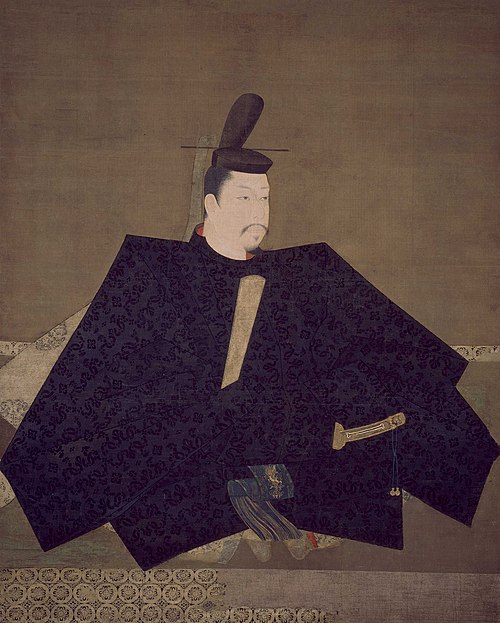
Yoritomo, after the defeat and almost complete extermination of his family at the hands of the Taira clan, managed in the space of a few years to go from being a fugitive hiding from his enemies inside a tree trunk to being the most powerful man in the land. Defeating the Taira clan, Yoritomo became de facto ruler of much of Japan and founder of the Kamakura shogunate, an institution destined to last 141 years and to have immense repercussions over the country's history.
Geography

Surrounded to the north, east, and west by hills and to the south by the open water of Sagami Bay, Kamakura is a natural fortress. Before the construction of several tunnels and modern roads that now connect it to Fujisawa, Ōfuna, and Zushi, on land it could be entered only through narrow artificial passes, among which the seven most important were called Kamakura's Seven Entrances (鎌倉七口), a name sometimes translated as 'Kamakura's Seven Mouths'. The natural fortification made Kamakura an easily defensible stronghold.
Before the opening of the Entrances, access on land was so difficult that the Azuma Kagami reports that Hōjō Masako came back to Kamakura from a visit to Sōtōzan temple in Izu bypassing by boat the impassable Inamuragasaki cape and arriving in Yuigahama. Again according to the Azuma Kagami, the first of the Kamakura shōgun, Minamoto no Yoritomo, chose it as a base partly because it was his ancestors' land (his yukari no chi), and partly because of these physical characteristics.
To the north of the city stands Mt. Genji (源氏山, Genjiyama) (92 m (302 ft)), which then passes behind the Daibutsu and reaches Inamuragasaki and the sea.
From the north to the east, Kamakura is surrounded by Mt. Rokkokuken (六国見) (147 m (482 ft)), Mt. Ōhira (大平山) (159 m (522 ft)), Mt. Jubu (鷲峰山) (127 m (417 ft)), Mt. Tendai (天台山) (141 m (463 ft)), and Mt. Kinubari (衣張山) (120 m (390 ft)), which extend all the way to Iijimagasaki and Wakae Island, on the border with Kotsubo and Zushi. From Kamakura's alluvional plain branch off numerous narrow valleys like the Urigayatsu, Shakadōgayatsu, Ōgigayatsu, Kamegayatsu, Hikigayatsu, and Matsubagayatsu valleys.
Kamakura is crossed by the Namerigawa river, which goes from the Asaina Pass in northern Kamakura to the beach in Yuigahama for a total length of about 8 kilometers (5 mi). The river marks the border between Zaimokuza and Yuigahama.
Demographics
Per Japanese census data, the population of Kamakura has remained relatively steady in recent decades.
Notable locations

Kamakura has many historically significant Buddhist temples and Shinto shrines, some of them, like Sugimoto-dera, over 1,200 years old. Kōtoku-in, with its monumental outdoor bronze statue of Amida Buddha, is the most famous. A 15th-century tsunami destroyed the temple that once housed the Great Buddha, but the statue survived and has remained outdoors ever since. This iconic Daibutsu is arguably amongst the few images which have come to represent Japan in the world's collective imagination. Kamakura also hosts the so-called Five Great Zen Temples (the Kamakura Gozan).
The architectural heritage of Kamakura is almost unmatched, and the city has proposed some of its historic sites for inclusion in UNESCO's World Heritage Sites list. Although much of the city was devastated in the Great Kantō earthquake of 1923, damaged temples and shrines, founded centuries ago, have since been carefully restored.
Yagura tombs
An important and characteristic feature of Kamakura is a type of grave called yagura (やぐら). Yagura are caves dug on the side of hills during the Middle Ages to serve as tombs for high-ranking personalities and priests. Two famous examples are Hōjō Masako's and Minamoto no Sanetomo's cenotaphs in Jufuku-ji's cemetery, about 1 kilometre (0.6 mi) from Kamakura Station.
Usually present in the cemetery of most Buddhist temples in the town, they are extremely numerous also in the hills surrounding it, and estimates of their number always put them in the thousands. Yagura can be found either isolated or in groups of even 180 graves, as in the Hyakuhachi Yagura (百八やぐら). Many are now abandoned and in a bad state of preservation.
The reason why they were dug is not known, but it is thought likely that the tradition started because of the lack of flat land within the narrow limits of Kamakura's territory. Started during the Kamakura period (1185–1333), the tradition seems to have declined during the following Muromachi period, when storehouses and cemeteries came to be preferred.
Festivals and other events

Kamakura has many festivals (matsuri (祭り)) and other events in each of the seasons, usually based on its rich historical heritage. They are often sponsored by private businesses and, unlike those in Kyoto, they are relatively small-scale events attended mostly by locals and a few tourists. January in particular has many because it is the first month of the year, so authorities, fishermen, businesses and artisans organize events to pray for their own health and safety, and for a good and prosperous working year. Kamakura's numerous temples and shrines, first among them city symbols Tsurugaoka Hachiman-gū and Kenchō-ji, organize many events too, bringing the total to over a hundred.
January
January 4: Chōna-hajimeshiki (手斧初式) at Tsurugaoka Hachiman-gū: This event marks the beginning of the working year for local construction workers who, for the ceremony, use traditional working tools. The festival also commemorates Minamoto no Yoritomo, who ordered the reconstruction of the main building of the shrine after it was destroyed by fire in 1191. The ceremony takes place at 1:00 pm at Tsurugaoka Hachiman-gū.
February
Day before the first day of spring (usually February 3): Setsubun Matsuri (節分祭) at Tsurugaoka Hachiman-gū, Kenchō-ji, Hase-dera, Kamakura-gū, etc.: Celebration of the end of winter. Soybeans are scattered in the air to ensure good luck.
April
2nd to 3rd Sunday: Kamakura Matsuri at Tsurugaoka Hachiman-gū and other locations: A whole week of events that celebrate the city and its history.
May
May 5: Kusajishi (草鹿) at the Kamakura Shrine: Archers in samurai gear shoot arrows at a straw deer while reciting old poems.
August
August 10 (or following Monday if it falls on a Saturday): A full hour of fireworks on the beach in Yuigahama.
September
September 14, 15 and 16: Tsurugaoka Hachiman-gū Reitaisai (鶴岡八幡宮例大祭): Famous festival with many attractions, the most famous of which is the yabusame (流鏑馬), or Japanese horseback archery, which takes place on the 16th.
Transportation
Rail
JR East's Yokosuka Line has three stations within the city. Ōfuna Station is the northernmost. Next is Kita-Kamakura Station. In the center of the city is Kamakura Station.
Kamakura Station is the terminal for the Enoshima Electric Railway. This railway runs westward to Fujisawa, and part of its route runs parallel to the seashore. After leaving Kamakura Station, trains make eight more station stops in the city. One of them is Hase Station, closest to Hase-dera and Kōtoku-in. The next station on the line is Gokurakuji Station, one of the settings for the 2014 film Our Little Sister.
Education
Kamakura has many educational facilities. The city operates sixteen public elementary schools and nine middle schools. The national government has one elementary and one middle school, and there are two private elementary and six private middle schools. At the next level are four prefectural and six private high schools. Also in Kamakura is a prefectural special school.
Kamakura Women's University is the city's sole university.
Government and administration
Kamakura has a mayor and a city council, all publicly elected. The mayor is Takashi Matsuo. The City Council consists of 28 members.
Sister cities
Kamakura has six sister cities. Three are in Japan and three are overseas:
Nashville, Tennessee, United States, since 2014
General and cited references
Hall, John Whitney, Peter Duus (1990). Yamamura Kozo (ed.). The Cambridge History of Japan (Hardcover ed.). Cambridge: Cambridge University Press. ISBN 978-0-521-22354-6.
Hammer, Joshua (2006). Yokohama Burning: The Deadly 1923 Earthquake and Fire that Helped Forge the Path to World War II. New York: Simon & Schuster. ISBN 978-0-7432-6465-5 (cloth)
Harada, Hiroshi (2007). Kamakura no Koji (in Japanese). JTB Publishing. ISBN 978-4-533-07104-1.
Jansen, Marius (1995). Warrior Rule in Japan. Cambridge University Press. ISBN 9780521482394 OCLC 31515317
Kamakura City's List of Festivals and Events (in Japanese)
Kamakura Shōkō Kaigijo (2008). Kamakura Kankō Bunka Kentei Kōshiki Tekisutobukku (in Japanese). Kamakura: Kamakura Shunshūsha. ISBN 978-4-7740-0386-3.
Kamakura Today: Annual Events (in English)
Kamiya, Michinori (August 2000). Fukaku Aruku – Kamakura Shiseki Sansaku Vol. 1 (in Japanese). Kamakura: Kamakura Shunshūsha. ISBN 4-7740-0340-9.
Kita-Kamakura Yūsui Network (2008). Gaidobukku ni Noranai Kita-Kamakura (in Japanese). Yume Kōbō. ISBN 978-4-86158-026-0.
Kokushi Daijiten Iinkai. Kokushi Daijiten (in Japanese). Vol. 3 (1983 ed.).
Kurano, Kenji; Yūkichi Takeda (1958). Nihon Koten Bungaku Taikei 1: Kojiki. Tōkyō: Iwanami Shoten. ISBN 4-00-060001-X. {{cite book}}: ISBN / Date incompatibility (help)
Matsu, Ri (2012). Everyday Kamakura. DigitalKu. ISBN 978-1-4700-3285-2.
Matsuo, Kenji (1997). Chūsei Toshi Kamakura wo Aruku (in Japanese). Tokyo: Chūkō Shinsho. ISBN 4-12-101392-1.
Minamoto, Shitagō (1966). Kyōto Daigaku Bungakubu Kokugogaku Kokubungaku Kenkyūshitu (ed.). Shohon Shūsei Wamyō Ruijushō: Gaihen. Kyōto: Rinsen. ISBN 4-653-00508-7.
Mutsu, Iso (June 1995). Kamakura: Fact and Legend. Tokyo: Tuttle Publishing. ISBN 0-8048-1968-8.
Ōnuki, Akihiko (2008). Kamakura. Rekishi to Fushigi wo Aruku (in Japanese). Tokyo: Jitsugyō no Nihonsha. ISBN 978-4-408-59306-7.
Kaynak: Wikipedia – Kamakura · CC BY-SA 4.0