

Overview
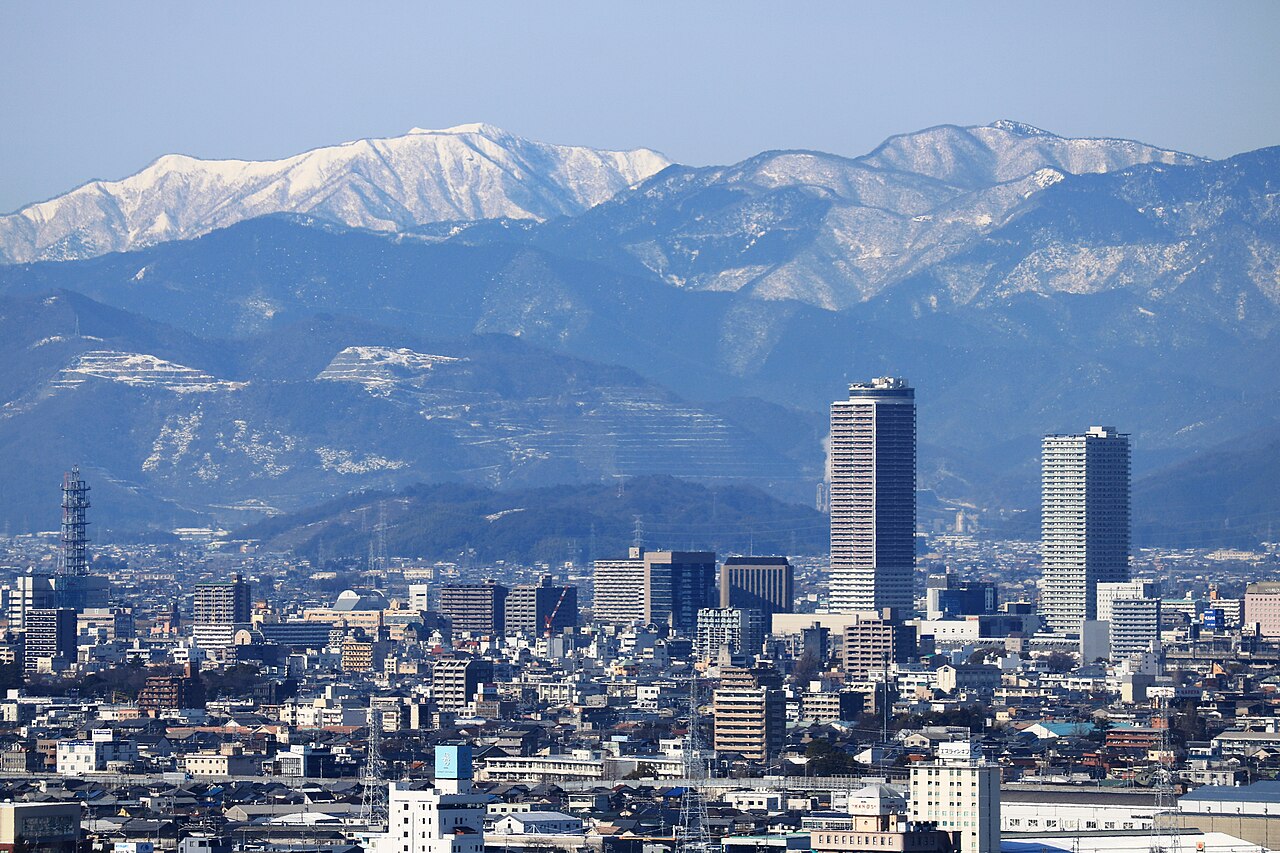
岐阜市(ぎふし)は、岐阜県の中南部に位置する市。岐阜県の県庁所在地および人口最多の市で、中核市に指定されている。
Interested in working with us in the future?
Follow to see new jobs and posts in your feed.
No news yet.
About

岐阜市(ぎふし)は、岐阜県の中南部に位置する市。岐阜県の県庁所在地および人口最多の市で、中核市に指定されている。
Kaynak: Wikipedia · CC BY-SA 4.0
概要
岐阜市は濃尾平野の北方に位置し、市域の北東から南西に長良川が貫流しており、旧市街地は長良川扇状地に形成された。扇状地よりも下流側には、旧河道や自然堤防、後背湿地などの微地形がみられる。
長良川は日本三大清流の一つと言われている。長良川の中流流域が1985年に「名水百選」に選ばれた。1998年には「日本の水浴場55選」に、2001年には「日本の水浴場88選」に選定されており、選内で唯一河川で選定されている。また、1300年以上の歴史を持つ長良川の鵜飼でも知られ、日本の音風景100選にも選ばれている。
古代から長良川を利用した水運が行われ、扇状地の扇頂部にあたる中河原湊(川原町地区)、長良湊(鵜飼屋地区)、鏡島湊(鏡島地区)は経済活動の拠点として栄えた。中世末期(戦国時代)には、斎藤道三や織田信長が金華山や山麓に城や居館を築き、その西側に城下町が発展した。近世(江戸時代)には政治の拠点は加納城に移ったが、尾張藩は水運の要所として中河原湊付近に長良川役所を設置し、商業都市へと変貌した。長良川の水運はさらに盛行し、材木、和紙、糸等を扱う問屋業や、美濃和紙や竹を材料とする提灯や団扇などの手工業が発達し、特に提灯や団扇はその後も岐阜市の伝統産業となっている。南部に位置する旧加納町は、加納藩の城下町と同時に中山道の宿場町でもあり、加納宿は今でもその面影を残している。
工場の海外流出などで現在は全盛期と比較して衰退したものの、戦後は愛知県一宮市や岐阜県羽島市などから布を仕入れ服を作って売る繊維産業で栄えた。昭和半ば頃の全盛期には岐阜の既製服は作れば売れる時代となり、大阪、東京と共に日本三大ファッション産地と呼ばれた。昭和36年に開催された岐阜メードは、既製服の総合展示会として全国初だった。
岐阜駅 - 名古屋駅間が快速列車で20分程度の距離と近いことから、中京圏(名古屋都市圏)に属し、名古屋市の衛星都市・ベッドタウン的な性格を持つ。実際に駅前には住宅機能を持つ3棟の超高層ビル(岐阜シティータワー43・岐阜スカイウィング37・岐阜イーストライジング24)が駅から伸びるペデストリアンデッキに接続して建っており、さらに金華橋通りを挟む34階建てのツインタワーが2028年度完成予定である。一方で岐阜県の県庁所在地であり、岐阜県の行政・商業・情報の拠点としても機能している。県内随一の繁華街であった柳ヶ瀬地区や今も栄える名鉄岐阜駅周辺にはかつてパルコ、メルサ、長崎屋など多くの百貨店や商業施設があったが、最後まで残った岐阜髙島屋が2024年7月31日に閉店したことにより、岐阜県は山形県・徳島県・島根県に次ぐ全国で4番目の百貨店のない県となった。三大都市圏では初めての事例である。
2006年に柳津町を編入した。柳津町の他にも岐阜市に隣接する羽島市・北方町・岐南町・笠松町を岐阜市に編入する計画(岐阜広域合併協議会)が存在したが、羽島市が住民投票の反対によって合併協議会から離脱した事で交渉が頓挫した。また岐阜市で産業廃棄物の不法投棄が発覚した事件により岐阜市行政への不満が高まった事から、編入が実現しなかった。その為、編入に賛成した柳津町のみが岐阜市に編入された。
市名の由来
織田信長が、美濃国を攻略した際に、稲葉山の城下の井ノ口を岐阜と改めたとするのが定説だが、異論も一部にある。
地理

地域
岐阜市の中心市街地であり、オフィスや商業施設が立ち並ぶエリアである。中心市街地の空洞化が著しく、柳ヶ瀬の再活性化が市の重要課題になっている。
近年、岐阜駅前は、名古屋都心部などへの鉄道アクセスのよさなど利便性が見直され、オフィスビルや高層マンションの建設などの再開発事業(高島屋南市街地再開発事業や岐阜駅北中央地区再開発事業)が展開。
伊奈葉神社南の山から、西に暗渠となった区割りの堀で区切られた北の区域は、かつて戦国時代からの旧岐阜町にあたる。
金華山、岐阜城、長良川温泉などの観光資源を抱える風光明媚なエリアである。金華山の袂にある伊奈波神社から米屋町周辺では大正年間の旧家屋や洋館などが建ち並び、長良川鵜飼いが実施される鵜飼い船の乗り込み口周辺の玉井町筋(湊町、玉井町、元浜町)は米屋町同様に旧家屋が複数建ち並ぶ。
岐阜の大動脈でもある国道21号がエリアの東西を貫いており、各務原市との境界付近に東海北陸自動車道岐阜各務原インターチェンジが設置されている。ロードサイドには各種郊外型店舗が林立し、カラフルタウン岐阜など、郊外型の大型商業施設も立地している。岐阜県庁舎、岐阜県警察本部、福祉・農業会館など県関連の官公庁のほか、岐阜県美術館、岐阜県図書館、県民ふれあい会館などの文化施設もこのエリアに所在する。
濃尾平野の北端で標高の低い山が点在し、山を切り開いた団地(例:大洞団地、三田洞団地など)が数多く見られる。長良川河畔の岐阜メモリアルセンターには長良川陸上競技場や長良川球場など各種スポーツ施設があり、スポーツのイベント会場として広く利用されている。このエリアには畜産センターや岐阜ファミリーパークなどの大型の公園、岐阜大学、岐阜運転者講習センター、岐阜刑務所など大型の公共施設が多い。マーサ21(イオン岐阜店)など大型商業施設も立地している。また、岐阜大学そばに東海環状自動車道岐阜インターチェンジ、岐阜ファミリーパークそばに同じく岐阜三輪スマートインターチェンジが設置されている。
地区一覧
岐阜市は統計などでは50の地区(地域区分)に分けられる。これらの地区は小学校の学区に準ずるが、一部の地区は2000年代の小学校の統廃合以前の小学校の学区で区分されている。各地名についてはTemplate:岐阜市の町・字および岐阜市の地名を参照。
備考
市内中心部から4kmほど離れた鷺山地区は、第二次世界大戦終戦後の1948年ごろから市が復興市営住宅として整備したが、入居優先で地番や住所を整備しなかったため、同番地(1769-2番地)に250世帯400人以上が暮らしている。地区内では公的文書には使用出来ない6つの独自町名(通称町名)が存在していた。2019年2月4日、住居表示実施により隣接する地区を含め鷺山南に変更。
人口
岐阜市の人口は1980年代の約42万人をピークに、緩やかに減少傾向となっている。2022年の令和初期の東海三県の都市では名古屋市、豊田市に次いで3番目に人口が多い。
気候
年平均気温は16.2℃である。平年値では猛暑日が16.7日、真夏日が72.0日、夏日が139.4日、熱帯夜が26.1日、真冬日が0.0日、冬日が29.1日となっている。
歴史

近代以前
老洞・朝倉須恵器窯跡など須恵器の製造が行われた窯跡が発見されるなど、窯業が盛んだったことが分かる。
「岐阜を制する者は、日本を制する」と言われるように、日本の中部に位置する岐阜は、日本を統一する人によって都合が良い立地の地域で、
200年以上、有力守護大名である七頭の土岐氏による支配下にあったが、家臣の斎藤道三が反乱を起こし、1542年に美濃国統一。稲葉山の山頂に稲葉山城を築城し、城下町「井ノ口」を整備。美濃国から全国統一への展望を思い描いた。
また同じころ、隣国尾張国で急成長する織田信長と斎藤道三の娘である濃姫が政略結婚し、周辺諸国の大名に対し、強力な軍事同盟を誇示した。
しかし、16世紀半ばとなると、斎藤義龍によるクーデターで斎藤道三は倒されたが、間もなく斎藤義龍も病死してしまい、斎藤氏は衰退する。
1567年に織田信長は仏教の僧侶と相談した後に、「井ノ口」の地名を、中国の伝説上の皇帝である炎帝が本拠としたとされる岐山と孔子の生誕地である曲阜から文字を取り「岐阜」と改名した。その際に稲葉山の名称も「金華山」と改名し今日に至る。
岐阜の経済はこのころ、織田信長の拡大する勢力の中心に位置していたため、大きく成長した。
また、商工業者・芸能者の営業販売の独占を行っていた「座」を撤廃して、市民が自由に経済活動のできる「楽市楽座」を実施。
ポルトガルのイエズス会宣教師ルイス・フロイスによると、当時の岐阜城下は「賑やかなバビロニア」と表現されるほど栄えた。
江戸時代になると、江戸幕府は江戸までの街道を整備し、五街道の1つである中山道が確立された。
一国一城令により岐阜城は廃城とされ、新たに築城された加納城の城下町に加納宿が設置し、美濃国最大の宿場町となり、岐阜和傘などの伝統工芸品が製造される。また、大河である長良川の手前にも河渡宿が設置され、川を渡る人々が往来や滞在をして繁栄した。
近代以降
1889年(明治22年)7月1日 - 市制施行。人口2万5,750人、面積10km2。
1891年(明治24年)10月28日 - 濃尾地震。死者245名、負傷者1,260名、家屋全半壊3,993戸、全半焼2,343戸。市域の約37%を焼失する。
1936年(昭和11年)3月25日から5月15日まで岐阜公園と長良川畔で、戦前の国内では最後期の博覧会「躍進日本大博覧会」が開催された。
7月25日 - 岐阜刑務所内で受刑者300人が食糧事情の改善などを求めて騒擾。7人が脱走し、4人が逮捕。
1957年(昭和32年)4月8日 - 昭和天皇、香淳皇后が市内に行幸啓。翌日にかけて岐阜県農事試験場などを視察。
1978年(昭和53年)2月8日 - イタリアのフィレンツェ市と姉妹都市提携を結ぶ。
1982年(昭和57年)2月22日 - ブラジル サンパウロ州のカンピーナス市と姉妹都市提携を結ぶ。
1988年(昭和63年)5月11日 - アメリカ合衆国 オハイオ州のシンシナティ市と姉妹都市提携を結ぶ。
7月8日から9月18日まで長良福光で、地方博の「ぎふ中部未来博」が開催された。来場者数は407万人。
1994年(平成6年)3月22日 - オーストリアのウィーン市マイドリング区(12区)と姉妹都市提携を結ぶ。
2007年(平成19年)5月28日 - カナダ オンタリオ州のサンダーベイ市と姉妹都市提携を結ぶ。
2017年(平成29年) - 『岐阜市信長公450プロジェクト』(織田信長の岐阜入城・岐阜命名450周年記念事業)を1年間にわたって開催。
行政区域の変遷
現在の市域はかつての方県郡、厚見郡の全域及び山県郡、各務郡、本巣郡、羽栗郡の一部にあたる。
1889年(明治22年)7月1日 - 厚見郡岐阜町・小熊村・今泉村・稲束村・富茂登村および上加納村の北半分が合併し市制施行する。
8月20日 - 稲葉郡黒野村・方県村・茜部村・鶉村・市橋村、本巣郡七郷村・西郷村を編入。
1969年(昭和44年)2月1日 - 本巣郡本巣町(現・本巣市)大字外山の一部(伊洞地区)を編入。
1974年(昭和49年)4月1日 - 羽島郡笠松町桜町、羽衣町の一部と境界変更。
1998年(平成10年)10月1日 - 武儀郡武芸川町(現・関市)との境界確定。
行政
行政組織
2006年1月1日に編入した旧羽島郡柳津町の地域をもって「柳津町地域自治区」が設置されていたが、2016年3月31日に廃止された。
議会
衆議院
2022年(令和4年)公職選挙法改正に伴い、市内の旧柳津町域が岐阜1区に編入された。
官公庁・施設

運動施設
厚八運動場(旧・岐阜市岐南町組合立厚八中学校) ※所在地は岐南町。岐南町との共同管理
対外関係
国内
市内在住の青少年を海外へ派遣。海外の人々とのふれあいを通じ、国際化時代に対応した青少年の育成を図ること、また、国際的視野にたち自らの将来に夢や志をもって生きようとする青少年の育成を図ることが目的。
経済

商業
1960年代は繊維産業が盛んであり、繁華街の柳ヶ瀬には1千もの商店や飲食店が軒を連ね、大変な賑わいがあったという。しかし、海外(特に中国など)の安い製品に押されて岐阜市のアパレル産業が衰退するのに伴って、岐阜近鉄百貨店や新岐阜百貨店、岐阜パルコ、ジャスコ、ダイエー、長崎屋、タマコシ(センサ)、岐阜メルサと中心市街地の大型商業施設が次々と閉店。名古屋の衛星都市化が加速する中、市は岐阜駅前に開発の軸を移すことを考えている。ただし柳ヶ瀬でも岐阜髙島屋の南地域の約6,500㎡にタワーマンション主体の柳ヶ瀬グラッスル35が再開発によって建設された。
JR岐阜駅構内中央・東側に位置する商業施設。成城石井やマツモトキヨシのほか、飲食店や本屋などが入居する。
低層部に学習塾や飲食店、衣料品店などが入居するタワーマンション主体の超高層ビル。
カラフルタウン岐阜 - イトーヨーカドー柳津店を核店舗とする大型ショッピングセンター。
岐阜高島屋 (1977年9月から2024年7月まで高島屋の子会社である(株)岐阜高島屋が、柳ヶ瀬地区で営業していた百貨店。同店の閉店により岐阜県は、全国で四番目の百貨店のない都道府県になった)
岐阜メルサ (ファッション館とグルメ館があり、ファッション館8Fにはコンサートホール(名称:メルサホール)がある。名古屋鉄道系列。2009年閉館。ファッション館は空き店舗、グルメ館はシグザ神田となる。)
新岐阜百貨店(2005年12月28日閉店 - 解体 - 2007年6月名鉄岐阜駅駅舎新築竣工、跡地には商業施設イクト)
イクト(2009年9月6日から2024年9月29日まで名鉄岐阜駅にあった商業施設。スーパーマーケットのパレマルシェや衣料品店、英会話教室などが入居していた。
岐阜センサ(ファッション専門店ビル):タマコシ(現・平和堂)の倒産による閉店 - 平成29年度(2017年)に解体・更地化された(現プレサンスロジェ岐阜長良橋通り)
岐阜市発祥の企業
双葉社 - 日本の出版社。1948年(昭和23年)岐阜市で創業、1954年(昭和29年)に東京都に本社移転。現在の本社は東京都新宿区。
ライドオンエクスプレスホールディングス - 銀のさらなどを含む宅配専門のチェーン店を展開する企業。1992年(平成4年)4月に岐阜市にて創業。
フライト・プラン -かつて存在していた家庭用ゲームソフト開発会社。現在ではアポロソフトとFELISTELLAに分裂している。
イギン - 婦人フォーマルウェアの製造・販売を行う会社。創業者・井上銀一が岐阜市で既製服(オートクチュール)の販売を行う「井上商店」として1947年(昭和22年)創業。1956年(昭和31年)に法人登記し設立。現在も岐阜市に登記上の本店と岐阜営業所が所在するが、本社機能は東京都にある。
情報通信・生活基盤
新聞社・通信社
中日新聞印刷 岐阜工場 - ※岐阜県(東濃地域除く)および滋賀県・福井県向けの中日新聞・中日スポーツと日刊県民福井を印刷。
放送局
岐阜県がエリアに含まれる放送局のうち、全国放送および、中京広域圏(東海3県を範囲とする)を放送対象地域とするテレビ放送については、おおむね愛知県瀬戸市にある瀬戸デジタルタワーからの電波を受信して視聴するエリアとなっている。瀬戸からの電波が地形で遮られる市内北部地区向けには岐阜芥見テレビ中継局・長良テレビ中継局が設置されている。上記に相当する民放4社(東海テレビ放送・中京テレビ放送・CBCテレビ・名古屋テレビ放送)は、いずれも市内に支社・支局を設置している。
岐阜県の県域放送局のうち、岐阜放送・NHK岐阜放送局は市内に演奏所・親局送信所を置いている。エフエム岐阜も親局送信所があるが、本社・演奏所は大垣市に置かれている。
また、岐阜市内には、NHK名古屋放送局AMの予備送信所が設置されており、名古屋親局(NHK鍋田ラジオ放送所)が万が一送信できなくなった場合に運用される。(周波数:729kHz、空中線電力:1 kW)
市外局番
NTTの市外局番は058(岐阜MA。各務原市や羽島市、羽島郡、瑞穂市(一部を除く)、本巣市の一部、本巣郡北方町と同じ)。
交通

空港
中部国際空港へは、名鉄岐阜駅から中部国際空港駅まで直通の特急列車を30分間隔で運行している。
鉄道
岐阜駅から名古屋駅までJRの快速電車で最速およそ20分で行けるため、名古屋方面への通勤・通学には至便である。一方で市内には鉄道空白地帯が多く、市内輸送はバス交通やマイカーに依存している。
鉄道路線
KG 各務原線:名鉄岐阜駅 - 田神駅 - 細畑駅 - 切通駅 - 手力駅 - 高田橋駅 -
2005年(平成17年)3月までは岐阜市内線や名鉄揖斐線、名鉄美濃町線、名鉄田神線があった。(通称600V線区)
路線バス
かつては名鉄バス、岐阜市交通事業部(岐阜市営バス)が市内を運行していたが、2004年9月と2005年3月にそれぞれ廃止され、路線は共に岐阜バスに譲渡された。
高速道路
(各務原市)- (4)岐阜各務原IC(料金所は各務原市) - 蘇原BS -(関市)
(関市)- (11-1)岐阜三輪スマートIC -(山県市)- (13)岐阜IC -(本巣市)
観光

かつてのミス岐阜・ミス長良川にあたる「ぎふ長良川メイツ」が、岐阜市のイメージアップと観光PRに務めている。
名所・旧跡
正法寺: 金華山の麓にある寺院。この寺院には大仏堂があり、そこにある大仏(岐阜大仏)は奈良・鎌倉と並び日本三大仏の一つと言われている。大仏は1832年(天保3年)に作られたもので、かご大仏としては日本一の大きさを誇る。日本遺産構成文化財。
常在寺: 日蓮宗妙覚寺派の寺院。1450年(宝徳2年)に守護代の斎藤妙椿により建立される。本尊は文殊菩薩。斎藤氏は斎藤道三のころに下克上により美濃国の国主となる。常在寺は斎藤氏の菩提寺となっており、墓所や道三、斎藤義龍の肖像画(いずれの肖像画も国の重要文化財に指定)なども所蔵されている。
乙津寺:おっしんじ(鏡島弘法): 岐阜市鏡島にある臨済宗の古刹で、738年に行基菩薩が開山した。通称名の「鏡島弘法」の方が一般に知られている。十一面千手観音像をはじめ文化財を多数所有している。
護国之寺:岐阜市長良雄総にある高野山真言宗の寺で、寺伝によれば746年に聖武天皇の勅願により建立された。岐阜市内唯一の国宝「金銅獅子唐草紋鉢」をはじめ岐阜県・岐阜市指定の各種の文化財を所有している。
玉性院: 節分の日の2月3日に行われる節分つり込み祭りが有名。この祭りは赤鬼に扮した厄男を神輿に、お福に扮した厄女を御所車に乗せ、おはらいをして無病息災を祈るもの。厄払い祈祷の豆まきは昼ごろから随時行われる。また、節分期には豆まきの宣伝と交通安全を推進するために、巨大な赤鬼の張りぼてを立てている。
妙照寺:身延山久遠寺を総本山とする日蓮宗の寺院。慶長5年(1600年)に岐阜中納言織田秀信公より竹中半兵衛重治の屋敷跡であるに寄進され移転した。松尾芭蕉は貞享5年(1688年)6月に訪れて約1ヶ月滞在した。日本遺産構成文化財。
伊奈波神社: 金華山山麓にある神社。西暦85年(景行天皇14年)の時代に創立されたと言われ、1900年以上の歴史を持つ。主祭神は五十瓊敷入彦命。毎年4月の第一土曜日には例祭の宵宮がある。初詣スポットとして多くの人びとを集める。近年、茶室を増設。美濃の国の三ノ宮。日本遺産構成文化財。
加納天満宮: JR岐阜駅の南側ほど近いところにある。15世紀、文安の時代に土岐の長臣斎藤帯刀左衛門利永により立てられた。10月には天満まつりがある。他の天満宮同様、菅原道真を祀る。
金神社: 岐阜市中心部にある神社。金大神の鎮座は成務天皇の時代(西暦135年)と伝える。境内には古墳「賀夫良城」があり物部氏である物部臣賀夫良命がこの地に赴任し国府に定め、金大神を崇拝されたと伝えられている。現在、主祭神は、渟熨斗姫命。商売繁盛のご利益があるとして市民から信仰を集めている。近年、神社境内の整備も進み、正月・祭礼日には多くの人が訪れ、11月23日の新嘗祭には「こがねさんの秋まつり」を行い、市民に親しまれている。: 金公園と文化センターは隣接している。
橿森神社: 岐阜市中心部にある神社。夫婦和合、子供の神社として知られている。祭神の市隼雄命は五十瓊敷入彦命と渟熨斗姫命の子である。
手力雄神社: 岐阜市東部に鎮座する神社。火薬や花火を仕込んだ神輿を、裸男が火の粉を浴びつつ担ぐ豪壮な「手力の火祭」で有名。
道三塚:斎藤道三は、長男斎藤義龍との長良川の戦いで討死にし、その遺体は道三塚に葬られた。斎藤家の菩提寺であった常在寺の日椿上人が、現在の地に移し、供養碑を建てたといわれている。
日野の舟伏山の蛇首塚 - 舟伏山(海抜二六一m)の山頂に蛇首塚がある。昔、天から舞い下りた竜が、長良川で水を飲み、天に帰ろうとしたところ、勇士に首を斬り落とされてしまう。その祟りか、洪水で村が悩まされるので、蛇の首を山頂に埋めて弔ったと伝わる。
観光スポット
金華山 - 金華山ドライブウェイ(天気が良いと、名古屋市や伊勢湾方面まで見渡せる)
金津園(日本三大ソープ街の一つである西日本最大級のソープランド街。岐阜駅南側にある)
文化・名物

祭事・催事
高橋尚子杯ぎふ清流ハーフマラソン(4月の第3又は第4日曜日)※日本のハーフマラソンで初めてワールドアスレティックスのゴールドラベルを獲得。
岐阜城薪能(11月) ※1989年から2025年までは長良川薪能として長良川河川敷で開催。
盆踊り
盆踊りのレパートリーには、荻野目洋子のダンシング・ヒーローに合わせて「1・2・3・4の掛け声にあわせて鉄砲を撃つ」風習がある。岐阜市の一部の学校では、運動会の演目で同曲を踊り、そこで指鉄砲の振り付けを習う。
伝統芸能
落語 - 落語の祖と言われている安楽庵策伝が生まれた岐阜市は落語発祥の地とされている。毎年全日本学生落語選手権・策伝大賞という落語の全国大会が開催されている。
名物・名産
若鮎(鮎菓子) - 長良川の鵜飼にちなんで鮎を形どった銘菓。カステラ生地で求肥を包んだものやせんべい、あられなど種類もさまざま。
出身者・ゆかりの人物

政治家・官僚
野田卯一(経済企画庁長官、行政管理庁長官、建設大臣、北海道開発庁長官、衆議院議員、日本の国会議員#参議院議員|参議院議員)
アナウンサー
小野厚徳(Talk company代表、元ブルームバーグテレビジョンのアンカーマン、元ショップチャンネルのキャスト)
名誉市民
岐阜市名誉市民条例および岐阜市名誉市民条例施行規則により名誉市民章が贈呈された人物。
岐阜市を舞台にした作品
柳ヶ瀬ブルース(1967年 東映) 監督 村山新治、脚本 成澤昌茂、音楽 八木正生、主演 梅宮辰夫
関東テキヤ一家 喧嘩火祭り(1971年 東映) 監督 鈴木則文、主演 菅原文太 - シリーズ4作目。埼玉県秩父も舞台となっている。
男はつらいよ 知床慕情(1987年、松竹、シリーズ38作目) - メインの舞台は北海道だが、北海道から去った寅さんが岐阜市の長良川祭りで花火売りをするシーンがエピローグとなっている。
ルドルフとイッパイアッテナ (劇場アニメ)(2016年)監督 湯山邦彦、榊原幹典
ルドルフとイッパイアッテナ(斉藤洋) - 主人公の黒猫ルドルフがかつて住んでいた街が岐阜市である。本作でルドルフが岐阜に住んでいたころに行った岐阜城や、金華山ロープウェーから岐阜市内の街並みを眺めている描写が描かれている他、作品発表当時(1987年)はまだ走っていた名鉄岐阜市内線(2005年に廃止)も登場している。
また、次作の『ルドルフともだちひとりだち』では、ルドルフは東京(江戸川区)から首都高速7号線、東名高速道路、国道22号を経由して岐阜市へ帰って来る。
変人のサラダボウル - 作中で舞台が岐阜市であると明言。単行本の表紙では岐阜市内の風景の実写写真を背景に登場人物が描かれている。アニメでも岐阜城やJR岐阜駅前の黄金の信長像などが登場する。
聲の形 - メインの舞台は大垣市であるが一部岐阜市をモデルとした風景が作中に登場している。
名探偵コナン(アニメ) 第871話 - 前述の「岐阜市信長公450プロジェクト」とのタイアップ企画。岐阜市を舞台としたエピソード。
Kaynak: Wikipedia – 岐阜市 · CC BY-SA 4.0
Tarihçe
Gifu, ülkenin ortasında yer alması nedeniyle Japonya'nın tarihinde önemli bir rol oynamıştır. Sengoku döneminde Oda Nobunaga gibi çeşitli savaş ağaları Japonya'yı birleştirmek ve kontrol etmek amacıyla bölgeyi üs olarak kullanmışlardır. Gifu, Japonya'nın birleşmesinden sonra da Edo döneminde önemli bir shukuba ve daha sonradan Japonya'nın moda merkezlerinden biri olarak gelişmeye devam etmiştir. Meiji döneminde 1 Temmuz 1889 tarihinde resmen bir şehir olarak kurulmuştur. Gifu, II. Dünya Savaşı sırasında Kakamigahara ile birlikte havacılık ve ağır sanayi merkezi olup 9 Temmuz 1945 tarihinde ABD tarafından bombalanmıştır. Gifu, 1 Nisan 1996 tarihinde çekirdek şehir statüsü almıştır.
Ulaşım
İki büyük demiryolu hattı Gifu'yu Japonya'nın diğer bölgelerine bağlamaktadır. JR Central'in Tokaido Hattı şehrin içinden geçmektedir ve Japonya'nın en büyük şehirlerinden biri olan Nagoya ve çevresine bağlamaktadır. Gifu'nun Chūbu Centrair Uluslararası Havalimanı'na ve uluslararası etkinliklere ev sahipliği yapabilen tesisler doğrudan demiryolu bağlantısı bulunmaktadır.
Kardeş şehirler
Gifu'nun altı kardeş şehir ile aktif ilişkisi bulunmaktadır.
Floransa, İtalya (8 Şubat 1978'den beri)
Campinas, Brezilya (22 Şubat 1988'den beri)
Cincinnati, ABD (11 Mayıs 1988'den beri)
Meidling, Viyana Avusturya (22 Mart 1994'ten beri)
Thunder Bay, Kanada (28 Mayıs 2007'den beri)
Kaynak: Wikipedia – Gifu · CC BY-SA 4.0
Overview
Located on the alluvial plain of the Nagara River, Gifu has taken advantage of the surrounding natural resources to create both traditional industries (including Mino washi and agriculture) and tourism opportunities such as cormorant fishing. Mount Kinka, one of the city's major symbols, is home to a nationally designated forest and Gifu Castle, a replica of Nobunaga's former castle. Gifu also hosts many festivals and events throughout the year.
Two major rail lines connect Gifu to Japan's national and international transportation infrastructure. JR Central's Tōkaidō Main Line runs through the city, connecting it with Nagoya, one of Japan's largest cities, and the surrounding area. The city has a direct train route to Chubu Centrair International Airport and facilities capable of hosting international events. Gifu has active relationships with six sister cities.
As of 1 June 2019, the city has an estimated population of 401,534 in 178,246 households, and a population density of about 1,972 inhabitants per square kilometre (5,110/sq mi). The total area of the city was 203.60 square kilometers (78.61 sq mi).
Geography

The city of Gifu is located in the southern portion of the prefecture and is on the northern edge of the Nōbi Plain. It is also the main city of the Gifu region of the prefecture. Much of Gifu's land area has been gained as the result of mergers, but the city's size grew the most through mergers with the neighboring towns of Kanō (in 1940) and Yanaizu (in 2006). As a result, Gifu's geography is very diverse, ranging from the built-up city center to persimmon orchards and strawberry patches in the outlying areas. The northern part of the city is bordered by tree-covered mountains, whereas most of the city center is spread throughout the southern part. The Nagara River cuts the city in half, running from the northeast to the southwest. Much of the city is part of the Nagara River's alluvial plain and an environmental conservation district. Because of the formation of the river, the area is prone to flooding when typhoons or heavy thunderstorms occur; however, dykes and levies have been built to control the excess water. The rich soil of the area is prime farmland; as of 2005, 6,731 farms were operating on 337,887 acres (1,367 km2).
Climate
Gifu experiences a wide range of weather throughout the year, but in general is characterized by hot and humid summers, and mild winters (Köppen climate classification Cfa). The average annual temperature in Gifu is 15.5 °C (59.9 °F). The average annual rainfall is 1,799 mm (70.8 in) with September as the wettest month. The temperatures are highest on average in August and lowest in January. Gifu recorded a record high of 39.8 °C (103.6 °F) on August 16, 2007 and record low of −14.3 °C (6.3 °F) on January 24, 1927.
Demographics
When Gifu was founded in 1889, it was a small city that experienced moderate growth as Japan industrialized at the beginning of the century. During Japan's military buildup in the 1930s, the city became an industrial center and experienced exponential growth. Gifu remained prosperous in the post-war years, until its population started to decline like many Japanese cities in the 1980s and '90s. Though the city has shown a large increase in population in recent years, this trend results largely from the inclusion, for the first time, of the population of Yanaizu, which added about 13,000 people to Gifu's numbers. Foreign residents of the city, who number over 9,000, also factor into this growth. Shortly after this change, however, the city's economic revival strengthened and the population began to show a true increase, although this has reversed in recent decades.
Gifu's estimated population, as of July 2011, is 412,895. The gender breakdown is 196,762 males and 216,133 females, with a total of 162,060 households within the city limits. Similar to many areas in Japan, the percentage of senior citizens over 65 years of age is approximately 21.67%, compared to only 14.13% of the population younger than 15. This is comparable to the population of the prefecture and of Japan as a whole. In the prefecture, 22.1% of the population is over 65 and 14.4% of the population is less than 15 years old. Throughout Japan, only 21% are over the age of 65 and 13.6% are younger than 15 as of 2008. The average age of city residents is 43.37. As of 2022, the population of Gifu stands at 401,779.
History

Two archaeological sites in the city of Gifu have shown that the area around modern-day Gifu has had residents since pre-history because of Gifu's location in the fertile Nōbi Plain. The Ryomonji and Kotozuka sites have produced large burial mounds that are representative of the late-Yayoi period, which is when rice cultivation began in Japan. As civilization in Japan grew, permanent settlements began to appear and, eventually, the village of Inokuchi was established, which would eventually become the modern city of Gifu.
Sengoku period
"Control Gifu and you control Japan" was a common phrase during the Sengoku period (15th to 17th century), since Gifu's central location in Japan made it a desirable location for those trying to unify the country. For over 200 years, the Mino Province (including the present-day city of Gifu) was under control of the Toki clan, a powerful regional clan. However, during the Sengoku period, Saitō Dōsan, a Toki vassal, rebelled against his clan and took control of Mino Province in 1542 and built Inabayama Castle atop Mount Inaba, from which he began his quest to unify Japan.
During Dōsan's reign, his daughter Nōhime married Oda Nobunaga, the heir of the fast rising clan in the neighboring Owari Province, with the hopes of an alliance of the two families' would present a powerful front against their competitors. However, it would be Nobunaga that eventually absorbed Dōsan's Saitō clan in the mid-sixteenth century, as Dōsan had done to his retainer. It was during Nobunaga's reign of power that the area finally received its modern name. After consulting with a Buddhist priest, Nobunaga renamed the village and the surrounding Mino Province to Gifu in 1567. He took the first character (岐 gi) from Qishan (岐山), the legendary mountain from which most of ancient China was unified. The second character (阜 fu) means "base of the mountain" and comes from Qufu (曲阜), the birthplace of Confucius. Though he was not originally from the area, Nobunaga chose to use Dōsan's castle and mountain as his base of operations, which he renamed Gifu Castle and Mount Kinka, respectively. In 1586, the Tenshō earthquake with an estimated magnitude of 7.9 affected the region, killing several thousand people.
Government

Local government
As with all Japanese cities, Gifu has a mayor-council form of government with a directly elected mayor and a unicameral city legislature. The mayor serves a four-year term. Supporting the mayor are two vice-mayors and the city treasurer, all of whom are appointed by the mayor. The city legislature has 38 seats. No members of the city council are selected through at-large election. Like the mayor, each member of the city council serves a four-year term and all seats are up for election at the same time. The council chair and vice-chair are elected by members of the city assembly.
The city also supplies nine members of the Gifu Prefectural Assembly, who are also elected for a four-year term.
In terms of the national government, Gifu 1st district (Gifu-ken dai-ikku) is a single-member electoral district for the House of Representatives, the lower house of the National Diet. The district consists of all of Gifu, excluding the former town of Yanaizu, which falls into the Gifu 3rd District.
External relations
International
Campinas, State of São Paulo, Brazil, since 1982
Cincinnati, Ohio, United States, since 1988
Economy
Gifu's first major industry was textiles. For a long period of time it rivaled Tokyo and Osaka as a leader of the Japanese fashion industry. The area just north of JR Gifu Station contains a variety of small clothing stores catering to many types of consumers. Furthermore, the city's main downtown covered shopping arcade, Yanagase, features many clothing, shoe, and accessory shops that carry both domestic and overseas goods. Over the past decade, though, as Gifu's fashion industry has declined steeply, the city has begun developing other industries to support the local economy.
One such industry is manufacturing. Because the city is located near Aichi Prefecture and its many major automotive and heavy industry companies, such as Toyota, Gifu has become a prosperous area for many metalworking, mold and die, and parts subcontractors. Its access to neighboring areas using public transportation and highways has allowed companies to set up many factories and facilities in the area.
In addition to the modern industries upon which Gifu's economy rests, the city also has a wide array of traditional industries, which include traditional Gifu Fans, Mino washi and foods created from the ayu sweetfish. Many shops throughout the city produce these goods. The most well-known local industries, though, are traditional Gifu Lanterns and Umbrellas. There are approximately 15 businesses that make lanterns in the city, the largest of which is the Ozeki Lantern, Co. In the Kanō area, visitors have the opportunity to take a course and make their own paper umbrellas.
Education

Gifu has 48 nursery schools and 43 kindergartens available for children. The city government operates 47 public elementary schools, and one additional public elementary school is under the aegis of the national government; there is also one private elementary school. The city also has 22 public junior high schools, with one additional public junior high school and one private junior high school. There are also three private combined junior/senior high schools. After graduating from junior high school, students have the option of attending one of Gifu's 12 public high schools operated by the Gifu Prefectural Board of Education or 5 private high schools. Gifu also has a North Korean school, the Gifu Korean Elementary and Junior High School (岐阜朝鮮初中級学校).
The city has 19 technical institutions and two public and six private colleges and universities. The largest of these is Gifu University, the city's national university, which includes a hospital. Among the private universities, Gifu Shotoku Gakuen University, located in the area of the former town of Yanaizu offers a four-year program and also has an associated junior college. Gifu Women's University, a private women's university founded in 1968 is also a four-year school. Gifu City Women's College was founded in 1946 as traditional college, but later became a city-supported, public junior college. Gifu Pharmaceutical University, founded in 1932 as the Gifu City Pharmaceutical College, remains a public university offering graduate-level courses.
Transportation

Gifu's central location and its past connection with the Nakasendō make it one of Japan's central transportation hubs. In addition to being in the center of many rail and bus lines, the city also has nine national highways running through its borders. These include the Meishin Expressway, Tōkai-Kanjō Expressway and Japan National Route 21, 22, 156, 157, 248, 256, and 303.
Two rail companies have major train stations downtown: JR Central (Central Japan Railway Company) and Meitetsu. The JR Tōkaidō Main Line runs through and the Takayama Main Line begins at JR Gifu Station. The JR Tōkaidō Shinkansen, however, does not run through Gifu Station; its nearest stops are Nagoya Station and Gifu-Hashima Station. The Meitetsu lines include the Nagoya Line, the Kakamigahara Line, and the Takehana Line, all of which originate at Meitetsu Gifu Station.
Central Japan Railway Company (JR Tōkai)
■ Tōkaido Main Line: Gifu Freight Terminal
■Nagoya Line: Chajo - Kanō - Meitetsu Gifu
■Kakamigahara Line: Meitetsu Gifu - Tagami - Hosobata - Kiridōshi - Tejikara - Takadabashi
Until April 1, 2005, Meitetsu also operated a streetcar line that ran through Gifu.
Municipal bus service first began in Gifu in 1949. Today, Gifu Bus Co., Ltd. provides service within the city, as well as connections to other cities. Its highway buses connect the city with Gujō, Osaka, Kobe, Kyoto and Shinjuku in Tokyo. Gifu Bus also connects Nagoya with Gujō, Seki, Mino and Shirakawa-gō. In addition to inter-city bus routes, many local routes go throughout the city and neighboring areas. All bus lines pass through JR Gifu Station.
Another option for travel within Gifu is via bicycle. The city has instituted a bike rental program to increase tourism within the city. Bicycles can be rented at JR Gifu Station (second floor), Gifu City Hall (South Branch), Gifu Park (Museum of History), and the Cormorant Fishing Boat Viewing Office.
Tourism

Cormorant fishing
Cormorant fishing is the representative tourist attraction of Gifu. Though it occurs in many places in Japan, cormorant fishing on the Nagara River dates back more than 1,300 years. This is also the largest display of cormorant fishing in all of Japan, with six fishing masters going down the river at the same time, using their birds to catch ayu sweetfish. The season lasts from May 11 to October 15 every year and occurs each night, except during high water levels and the harvest moon.
Matsuo Bashō, a renowned haiku poet in the Edo period, spent many months in Gifu, creating haiku about many things, including cormorant fishing. Famed comedian Charlie Chaplin also came to view cormorant fishing on the Nagara River twice, reportedly moved by the experience.
Museums
The largest of the city-supported museums is the Gifu City Museum of History. It is located in Gifu Park and its permanent exhibit primarily focuses on Gifu's past, containing many hands-on exhibits. It often hosts special exhibits, though, providing a broader field of information to its visitors. Also located in Gifu Park is the Eizō & Tōichi Katō Memorial Art Museum, which is a semi-autonomous branch of the history museum. This art museum is dedicated to the works of the brothers Eizō and Tōichi Katō, famous artists born in Gifu Prefecture. The Nagara River and cormorant fishing feature prominently in a number of their pieces. The Yanaizu Folklore Museum in the Yanaizu-chō area of the city is the other branch of the Museum of History.
There are two other museums in Gifu Park, too. The Nawa Insect Museum, next to the history museum, and the Gifu Castle Archive Museum, next to Gifu Castle atop Mount Kinka. The Nawa Insect Museum was founded by Yasushi Nawa, Japan's "Insect Man," in 1919, and provides a closeup look at insects and their world.
Historical areas

Castles
Gifu's most famous castle is Gifu Castle, located on Mount Kinka. First built by the Nikaidō clan during the Kamakura period, the castle has gone through many forms, with its current version rebuilt in 1956. One of its first residents was Saitō Dōsan, who lived in the castle when it was still called Inabayama Castle. The next resident, Oda Nobunaga, changed the castle's name at the same time that he changed the name of the surrounding town. From the top of the castle, visitors have a 360-degree view, effectively giving them a view to all of the city's borders. Inside the castle are many artifacts from its past.
Though the two other castles in the city, Kanō Castle and Kawate Castle, only have ruins marking their former presence, they have both had important roles in the city's past. Kanō Castle was built shortly after the Battle of Sekigahara when Tokugawa Ieyasu ordered the Toyotomi family to build it upon the ruins of a former medieval castle. Okudaira Nobumasa was the first person to live in the castle and he was followed by his descendants until the Meiji period. The castle's citadel ruins are designated a National Historic Site. Kawate Castle was used by the Toki clan while they were guarding Owari, Ise and Mino provinces as the Chief Retainer of the shogunate during the Muromachi period. It was also used as a meeting place for the cultural and social elite from Kyoto. A stone monument near Seibi High School marks the castle's location.
Major shrines
The most famous shrines in the city include Inaba Shrine, Kogane Shrine, and Kashimori Shrine. They are considered a family of shrines because the Inishiki Irihiko-no-mikoto god at Inaba Shrine is married to the Nunoshi Hime-mikoto goddess at Kogane Shrine; together, they are the parents of the Ichihaya-no-mikoto God at Kashimori Shrine. Inaba Shrine was originally located on the northern side of Mount Kinka, but was moved to its present location by Saitō Dōsan during his reign over Gifu. Kogane Shrine is located in Kogane Park, behind the Gifu City Culture Center, and a popular legend says that, behind Kashimori Shrine, you can see the footprints of Tenba, a mythical horse.
Culture

Lifestyle
The central area of the city serves as a satellite of nearby Nagoya, which has large offices of many international companies, including Toyota. The ease of commute between the two cities, as well as the plentiful apartment construction underway, has contributed to this distinction. Just west of Gifu Station is Gifu City Tower 43, a 43-story high-rise building developed by Takenaka Corporation that opened on October 13, 2007 as the tallest building in Gifu Prefecture. The upper 30 floors are divided into two- and three-bedroom apartments, including those for senior citizens. The lower floors will be used as offices or shops for targeted services such as medical care. Additionally, public space exists at the top of the building, allowing residents another 360-degree view of Gifu, complementing that offered from Gifu Castle.
The city of Gifu is currently promoting the Slow Life City Initiative, which is similar to, but more comprehensive than, the slow food initiative. It is designed to encourage residents to lead slower lifestyles and provide an alternative to the fast-paced life of the modern world. Major elements of this campaign include more dependence on locally grown food; traditional culture and arts; and activities to increase citizens’ participation in their community. In addition to slow food, Gifu also hopes to include slow industry (traditional crafts), slow education (studying quality of life), and slow tourism (represented by cormorant fishing).
Notable people from Gifu
Culture and arts
Aki Shimazaki - writer (moved to Canada in 1981)
Entertainment
Lisa (Japanese musician, born 1987) - singer
Athletes
Masaaki Mori - former baseball player and manager
Yasuyuki Moriyama - former football player
Morimichi Takagi - former baseball player
Jumpei Takahashi - baseball player, Fukuoka SoftBank Hawks
Naofumi Yamamoto - former professional wrestler, better known by his ring name Yoshi Tatsu
Kokomo Murase - Professional snowboarder
Kaynak: Wikipedia – Gifu · CC BY-SA 4.0