
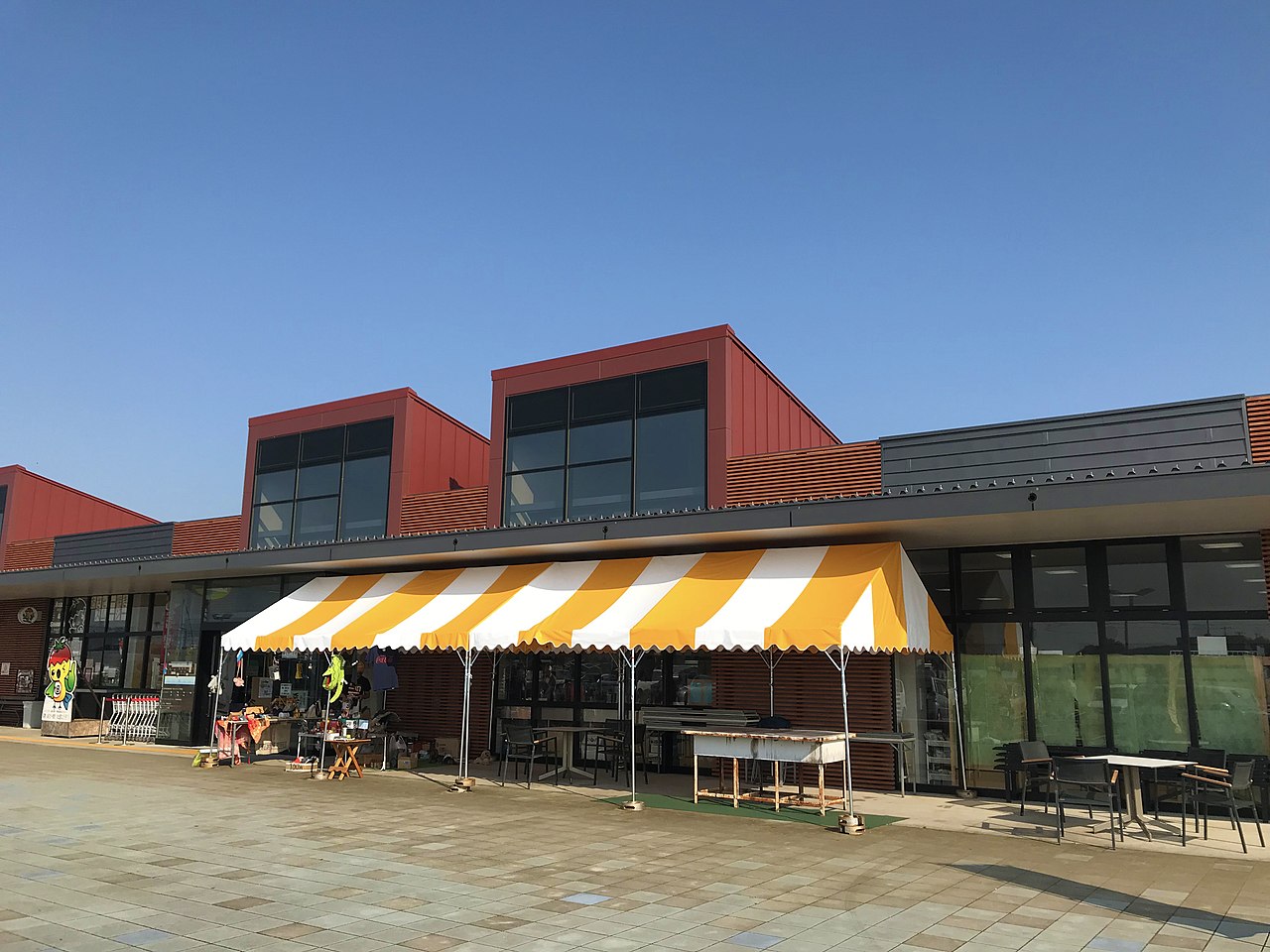

Overview
旭市(あさひし)は、千葉県の北東部に位置する市。
Interested in working with us in the future?
Follow to see new jobs and posts in your feed.
No news yet.
About

旭市(あさひし)は、千葉県の北東部に位置する市。
Kaynak: Wikipedia · CC BY-SA 4.0
概要
北部には干潟八万石といわれる房総半島屈指の穀倉地帯となだらかな丘陵地帯である北総台地が広がっている。市の中央部を東西に総武本線と国道126号が通る。
九十九里海岸沿いの千葉県道30号飯岡一宮線に沿っていくつかの源泉が湧出している。
地理
千葉県北東部に位置し、県庁所在地である千葉市から約50キロメートルの距離である。東京都の都心から80 - 90キロメートル圏内である。
九十九里平野の北端に位置し、南部は九十九里浜・太平洋に面し、北部に下総台地が広がる。市の中央部を東西に総武本線と国道126号が通る。
千葉県立旭農業高等学校の所在する千葉県旭市ロ1番地(郵便番号:289-2516)は、日本一短い地名の一つである。
歴史

古代、現在の旭市周辺には椿海と呼ばれる湖が広がっていた。江戸時代になり、椿海を干拓するため、新川を掘削して湖底を干潟とした。
幕末には、農村指導の先駆者・大原幽学が長部村を訪れ、農村を再興させた。同じく幕末に、国学者の宮負定賢・宮負定雄父子も村の和合や農業改良に努めた。一方、九十九里沖の豊かな漁場を求めて関西の漁民がやって来るようになり、飯岡助五郎は、イワシ漁を中心とした漁業の発展に尽力した。
明治に入り、政府の「畑作奨励策」の下、鎌数村の金谷総蔵が落花生栽培を普及させ、総武鉄道が開通して大量輸送が可能になると、落花生の加工工場が数多く造られた。また、昭和初期からスイカ、カボチャ、サツマイモ(甘藷)などの生産が盛んになり、特に甘藷栽培は穴澤松五郎の功績で発展した。
年表
1889年(明治22年) - 町村制施行に伴い海上郡網戸村・成田村・十日市場村と匝瑳郡太田村が合併、海上郡旭町が発足。
2005年(平成17年)7月1日 - (旧)旭市と香取郡干潟町、海上郡海上町・飯岡町が対等合併し、新しい旭市となった。(これにより、海上郡が消滅。)旧市の人口は約4万1000人、面積は50.61平方キロメートル。
2011年(平成23年)3月11日 - 沿岸部に東北地方太平洋沖地震(東日本大震災)による千葉県内最大7.6メートルの津波が襲い、飯岡地区を中心に沿岸付近の民家が全壊336棟、半壊945棟、県内最多14人の死者、2名の行方不明者を出した。のちに天皇・皇后が飯岡地区を訪問した。
2021年(令和3年)4月26日 - 旭市役所の新庁舎が文化の杜公園に移転となり、業務を開始した。
旭市の由来
「旭」という市名(最初は町名)は、一説には「旭将軍」と呼ばれた木曾義仲の末裔とされ、この地で没した木曾義昌を詠んだ「信濃より いつる旭をしたひきて 東の国にあととどめけむ」から採られたとされる。
この歌は、弘化元年(1844年)木曾氏末裔を称する芦原検校(木曾義長)が、東漸寺において営んだ「木曾義昌公250回忌」において京都の国学者、野々口隆正が詠んだ追悼歌で、この時に寄せられた追悼歌400首を収めたのが、市の指定文化財ともなっている「慕香和歌集」である。
人口
平成27年国勢調査より前回調査からの人口増減をみると、3.58%減の66,586人であり、人口減少が進行している。増減率は千葉県下54市町村中31位、60行政区域中37位。
行政

役所
旭市役所旧庁舎(1962年竣工)の設計はモダニズム建築界を牽引した建築家・富家宏泰(富家建築事務所代表)による。
支所:旭市役所本庁は、令和3年4月26日に業務を開始した。海上町、飯岡町、干潟町の庁舎は支所となっている。支所のデータは以下の通り。
立法
国政
任期:2026年(令和8年)2月8日 - 2030年(令和12年)2月7日(「第51回衆議院議員総選挙」参照)
経済

農畜水産業
農業は基幹産業としての役割を担っており、農業産出額は千葉県内1位(全国5位)で、特に野菜、畜産は県内1位、米は県内2位となっている。その関係上活田・活畑が多く残っている上に、平地が多く天候が急変しても被害を被りにくい為、比較的訪れやすいバードウォッチングの名所として有名である。
農業協同組合
ちばみどり農業協同組合 - 旭市に本店を置く農業協同組合。千葉県最大の農業協同組合である。
ベジポート有限責任事業組合 - ニチレイフーズと農業法人のテンアップファームが共同で設立。「日本農業の再生への貢献」という理念の下、農業が抱える後継者不足や過疎化、上昇する生産コストと販売価格のアンバランスなどを解消すべく、6次産業事業を進めるも、2016年3月末で撤退。
ふるさと産品・特産品
肉・卵・乳製品 - 安定した品質の食肉を首都圏全域に出荷する。アイスクリームなど、地域の産物を使った新たな畜産加工品も誕生している。
丸干しイワシ - 江戸時代から引き継がれる地場産業であり、生産量は日本一。江戸時代では畑の肥料としての使い方が主であったが、現代では健康食品として注目されている。
シラウオ - 飯岡漁港に水揚げされたシラウオを塩で炊き上げ、天日干しした特産品。
マッシュルーム - 全国第1位の産出額(平成18年)を記録するマッシュルームの産地。
タカミメロン - 飯岡貴味メロン(いいおかたかみめろん)のブランドをもつ。6月上旬から7月下旬まで出荷される。糖度は16度以上。
トマト - 味彩トマト(あじさいとまと)のブランドをもつ。生産額は全国有数である。
漁港
水揚げ量は千葉県内2位。カタクチイワシの水揚げ量は全国2位。伝統加工品の丸干しイワシは日本一の生産量である。
商業
かつては千葉県内の太平洋沿い地域(海匝地域、山武地域、長生地域、夷隅地域)では茂原市、銚子市に次ぐ第3の商業都市であり、旭商圏を形成する商業中心都市・準商業中心都市であったが、隣接自治体にロードサイド店舗が多く出店したことにより、雇用口や商圏が分散した。2023年(令和3年)2月には、市内商業の中核であった「イオン旭店」が閉店した。
地域

災害対策
災害発生時の避難場所・避難施設が整備されている。詳細は 災害時の避難場所(旭市役所ホームページ) を参照。
電話番号
市外局番は市内全域「0479」。ただし、合併当初は市内局番が「6X」の地域(旧・旭市と旧・干潟町)は「八日市場MA」、市内局番が「5X」の地域(旧・海上町と旧・飯岡町)は「銚子MA」であり、市内でMA(単位料金区域)をまたがる区域の通話は市外局番からダイヤルする必要があったが、2009年11月1日より市内全域が八日市場MAに統合されて問題が解消した。ただし市内局番が「5X」の地域(旧・海上町と旧・飯岡町)と銚子市の間の相互通話は逆に市外局番を必要とするようになった。
交通

高速バス
バスターミナル東京八重洲 - 干潟・旭・旭中央病院東 - 海上・飯岡・銚子駅・犬吠埼 (京成バス千葉イースト、京成バス)
バスターミナル東京八重洲 - 横芝光IC - 八日市場駅 - 匝瑳市役所 - 干潟・旭・旭中央病院東 - 海上・飯岡・銚子駅 (京成バス千葉イースト、京成バス)
路線バス
旭駅 - 旭中央病院(一部便通過) - 玉崎神社 - 飯岡灯台入口 - イオンモール銚子 - 銚子駅 - 陣屋町(千葉県)
旭中央病院 - 旭駅 - 共和小学校 - 中和 - 府馬農協 - 小見川神社前 - おみがわ医療センター - 小見川駅
名所・旧跡・観光スポット・祭事・催事
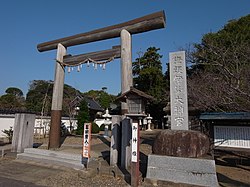
若年層の集客力が弱く、観光客数は頭打ちの状態が続いており、2024年(令和6年)に行われた市民意見交換会では、観光地がない・少ない、知名度が低い、メディア露出が少ないといった課題が指摘されている。
史跡
大原幽学遺跡史跡公園 - 1988年(昭和63年)11月17日に大原幽学ゆかりの農家・旧林家住宅を復元。1990年(平成17年)5月10日に周辺約4ヘクタールを整備して大原幽学遺跡史跡公園として開園した。(国の史跡)
香取航空基地跡地 - 太平洋戦争中、神風特別攻撃隊が硫黄島に向けて出撃した。現・あさひ鎌数工業団地。
社寺
佛瀧山 龍福寺(「岩井の滝不動」、「岩井の不動堂」などとも称される。境内の森は千葉県指定天然記念物に指定されている)
景勝地
蛇園出清水地区 - ゲンジボタル(市指定天然記念物)やシランが生息し、食虫植物、コスモス、菜の花、河津桜がみられる。
ゆかりのある人物
蛯原英里(チャイルド・ボディ・セラピスト):総合病院国保旭中央病院に勤務した。2003年、旭市ミス七夕コンテストに出場し準ミスに選ばれた。
旭市を舞台・ロケ地とした作品
2000年(平成12年)に公開された映画『ジュブナイル』の撮影が旭市(旧飯岡町)で行われた。
2007年(平成19年)9月14日放送の『テレビチャンピオン2』においてサンドアート選手権の舞台となった。
2017年(平成29年)に公開されたアニメ映画『打ち上げ花火、下から見るか?横から見るか?』のモデル地となっている。
テレビドラマ『孤独のグルメ』では、旭市が2023年までに2度ロケ地に選ばれている。
参考文献
歴代知事編纂会 編集『日本の歴代市長 : 市制施行百年の歩み』 第1、歴代知事編纂会、1983年。
Kaynak: Wikipedia – 旭市 · CC BY-SA 4.0
Kardeş şehirler
Chino, Japonya (29 Ağustos 1985'ten beri)
Nakagusuku, Japonya (3 Ekim 1990'dan beri)
Kaynak: Wikipedia – Asahi, Chiba · CC BY-SA 4.0
History
The Chiba clan, or branches of it, ruled the Shimōsa region for about 400 years from the Kamakura period. During the Sengoku period, the Chiba clan gained the protection of such powerful clans as the Odawara Hōjō clan, allowing them to get a stronger foothold over the area. They lost control when the Hōjō clan was overthrown in 1590 by Toyotomi Hideyoshi. After that, General Kiso Yoshimasa settled in the region. He restored the Ajito Castle, which was the inspiration for the name "Asahi." When poet Nonoguchi Takamasa visited the area in 1852, he wrote a poem about the general, from which the name "Asahi," which can mean "rising sun," was taken:
and there remains the evidence of his earthly life"
In the Edo period, various agricultural changes in the region occurred. The first was the reclamation of the "Sea of Camellias", a vast lake, which was drained into the Pacific Ocean to create the fertile Higata Hachiman-goku. The second was spurred on by the arrival of agrarian scholar Ohara Yugaku in 1835 and other kokugaku scholars who helped to revive agriculture in the area. During this same time, while Iioka Sukegoro was helping to develop the fishing industry, fishermen from the Kansai region moved to the area to take advantage of the bountiful fishing grounds available.
The town of Asahi was established with the creation of the modern municipalities system on April 1, 1889. It was raised to city status on July 1, 1954. On July 1, 2005, the city of Asahi, the town of Hikata (from Katori District), and the towns of Iioka and Unakami (both from Kaijo District) merged on equal terms to form the new Asahi city.
In March 2011, the city was greatly affected by 9.0 magnitude earthquake, tsunami, and subsequent nuclear disaster. Around 15 people were killed, 2,265 buildings were damaged, with 427 buildings destroyed, 716 people were left homeless, and heavy damage was done to the town's port and fishing boat fleet following the triple disaster.
Geography
Asahi is located in far northeastern Chiba Prefecture, approximately 50 kilometers from the prefectural capital at Chiba and 80 to 90 kilometers from central Tokyo. Located at the northern end of the Kujukuri Plain, the southern part faces Kujukuri Beach and the Pacific Ocean, and the Shimōsa Plateau extends to the northern part.
Climate
Asahi has a humid subtropical climate (Köppen Cfa) characterized by warm summers and cool winters with light to no snowfall. The average annual temperature in Asahi is 15.0 °C. The average annual rainfall is 1559 mm with September as the wettest month. The temperatures are highest on average in August, at around 25.8 °C, and lowest in January, at around 5.2 °C.
Demographics
Per Japanese census data, the population of Asahi has remained relatively steady over the past 70 years.
Government
Asahi has a mayor-council form of government with a directly elected mayor and a unicameral city council of 20 members. Asahi contributes one member to the Chiba Prefectural Assembly. In terms of national politics, the city is part of Chiba 10th district of the lower house of the Diet of Japan.
Economy
The local economy is dominated by commercial fishing, agricultural and seasonal tourism to its beach resorts.
Agriculture
Asahi City's agricultural output is ranked first in Chiba Prefecture and ninth in Japan. The city's location on the coast of the Bōsō Peninsula gives it easy access to abundant fishing grounds created by the intersection of the Japan Current and the Okhotsk Current. Iioka fishing port has the second highest volume of fish unloaded in Chiba Prefecture.
Education
Asahi has 15 public elementary schools and five public middle schools operated by the city government, and two public high schools operated by the Chiba Prefectural Board of Education.
Transportation
Railways
The Shiosai Limited Express service stops at Asahi and Iioka stations.
City landmarks

Administered by Chiba Prefecture
Iioka Gyobu Misaki Observatory and Lighthouse
Administered by Asahi City
Ohara Yugaku Memorial Hall and Historical Park
Yasashigaura swimming area (nicknamed "The Mecca of Surfing")
Other
Kampo no Yado hotel and hot springs (run by Japan Post Holdings)
Events
Annual
Iioka Shiosai Marathon – first Sunday of February
Fukuro Park Cherry Blossom Festival - April 1 - May 5
Asahi Iioka Port / Seafood Festival - end of May
Iioka Fireworks Festival – last Saturday of July
Iioka "YOU You" Festival – last Saturday and Sunday of July
Summer Fest at Yasashigaura - beginning of August
Citizens' Tanabata Festival – August 6 and 7
Hebizono-deshimizu Cosmos Festival - beginning of October
Ikiiki Asahi Citizens' Festival - middle of October
Hikata Furusato Festival - middle of November
Unakami Industry Festival - end of November
Other
2010 National Sports Festival of Japan Table Tennis tournament (Held at Sports-no-Mori Park from September 30 to October 4)
Goshinkosai Festival at Kumano Shrine (held every 12 years)
Goshinkosai Festival at Dairi Shrine (held every 33 years)
Miroku-sanbaso procession of Kurahashi (held every 20 years)
Sister cities
Nakagusuku, Okinawa Prefecture, friendship city
Mascots
Asahi City uses characters from Tetsuya Chiba's manga works as official mascots, including Mukai Taiyo from "Ashita Tenki ni Naare" as the mascot of Asahi Park Golf Course. Framed art and messages from Tetsuya Chiba can be seen in many public buildings. Tetsuya Chiba lived in Asahi (then Iioka-machi) during his childhood.
Noted people from Asahi
Hiromichi Ishige, professional baseball player
Shoya Tomizawa, professional motorcycle racer
Kaynak: Wikipedia – Asahi, Chiba · CC BY-SA 4.0