
Overview
伊万里市(いまりし)は、佐賀県の西部にある市。東松浦半島と北松浦半島の結合部に位置する。鍋島藩の藩窯で焼かれた「鍋島」の系譜を引く伊万里焼で知られる。
Interested in working with us in the future?
Follow to see new jobs and posts in your feed.
No news yet.
About

伊万里市(いまりし)は、佐賀県の西部にある市。東松浦半島と北松浦半島の結合部に位置する。鍋島藩の藩窯で焼かれた「鍋島」の系譜を引く伊万里焼で知られる。
Kaynak: Wikipedia · CC BY-SA 4.0
地理

佐賀市の西約50kmの場所に位置しており伊万里川と有田川が流れ込む伊万里湾を東・南・西の三方から囲む形で東松浦半島南西部と北松浦半島南東部を市域とする。市域西部の北松浦半島地域では長崎県と接し、東部は低い丘陵地である。
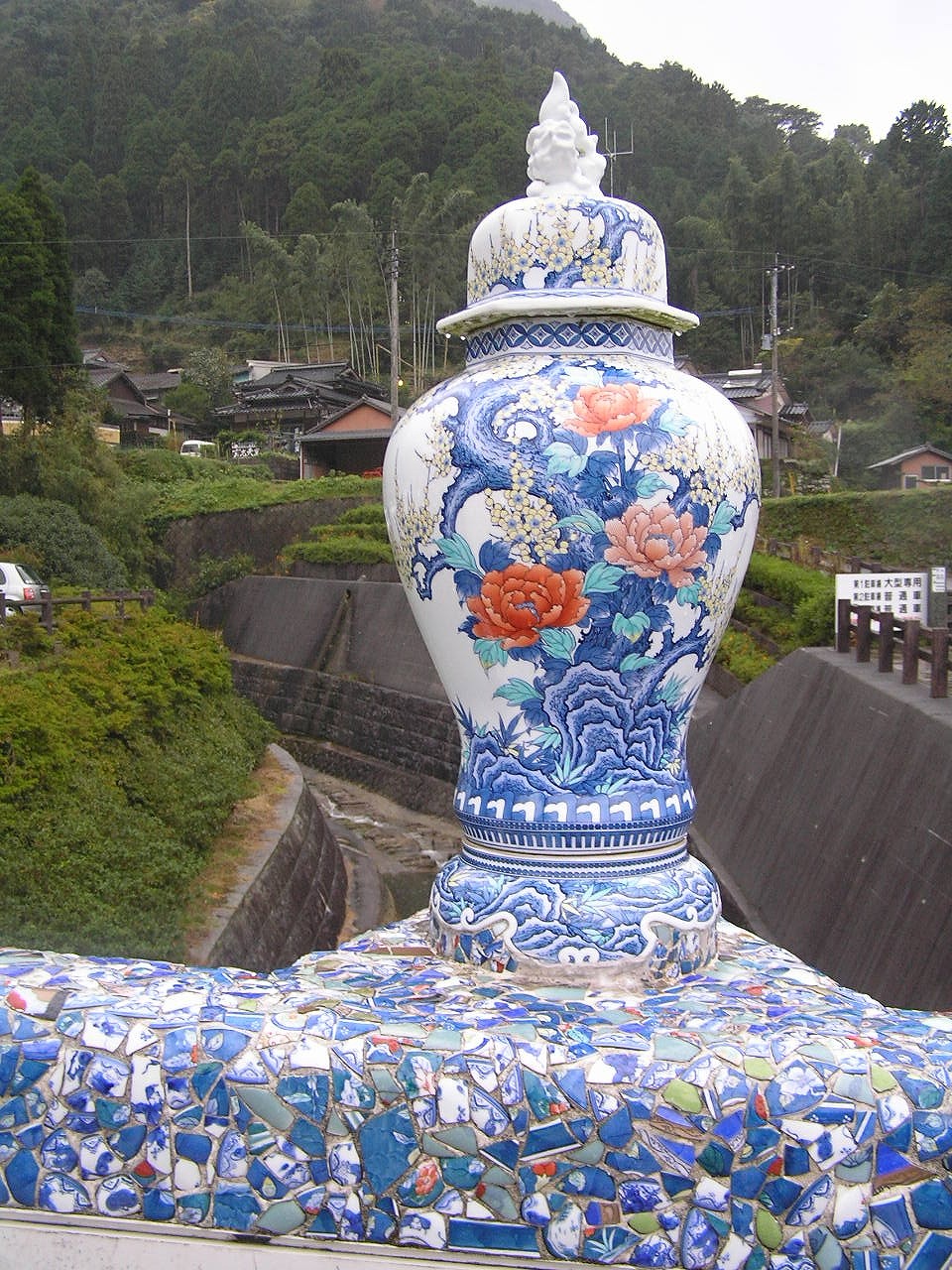
江戸時代には肥前国で焼かれた磁器が伊万里港から日本国内だけでなくヨーロッパまで輸出されたことから、これらを総称して「古伊万里」という。一方、磁器の産地としては1675年に佐賀鍋島藩は藩窯を有田から大川内山に移し、技法が流出しないよう厳重な管理下に置かれた。藩窯で焼かれた高品位な磁器は「鍋島」と呼ばれて献上品に用いられ、「鍋島」の系譜は伊万里焼に引き継がれており、大川内山には多くの窯元がある。大川内山は「大川内鍋島窯跡」として国史跡に指定されており(2003年9月16日指定)、1996年に日本の音風景100選(伊万里の焼物の音)、2002年にかおり風景100選(伊万里焼土と炎のかおり)など多くの選定を受けている。
地形
山岳:八幡岳(764m)・眉山(518m)・青螺山(599m)・腰岳(488m)・烏帽子岳(597m)・大通山(580m)・国見岳(496m)・大野岳(424m)・大陣岳(269m)
歴史
江戸時代は有田・波佐見・三川内といった周辺地区の陶磁器の積出港として栄えた。肥前の磁器は、積出港の名から「伊万里焼」(今利焼)と称され、"Imari"の名は輸出先のヨーロッパにも知られた。積出港だけでなく、現在の市域にある大川内山にあった鍋島藩窯では将軍・朝廷などへの献上用として最高品質の磁器(鍋島焼)が生産されていた。明治時代から昭和30年代までは石炭の積出港としての役割を持っていた。
行政区域の変遷
1889年(明治22年)4月1日 - 町村制施行により、現在の市域にあたる以下の町村が発足。
西松浦郡伊万里町・牧島村・大坪村・大川内村・西山代村・黒川村・大岳村・南波多村・大川村・松浦村・二里村・東山代村
1954年(昭和29年)4月1日 - 伊万里町・山代町・東山代村・黒川村・波多津村・南波多村・大川村・松浦村・二里村が対等合併し、伊万里市が発足。
年表
1954年(昭和29年)4月1日 - 伊万里町など西松浦郡9町村の新設合併により発足・市制施行。
1957年(昭和32年)7月6日 - 山代町西大久保の人形石山8合目付近から地すべりが発生。住宅12戸などが土砂の下敷きとなり7人が死亡。
1961年(昭和36年)4月20日 - 地方事情視察のため県下に行幸啓した昭和天皇、香淳皇后が大坪小学校などを視察。
1967年(昭和42年)7月9日 - 昭和42年7月豪雨により白野川が氾濫、市役所も含め中心部一帯が冠水。伊万里市内の死者12人・重軽傷者435人・住宅の全半壊182戸、農業・道路等を含め約120億円の損害。
2020年(令和2年) - 新型コロナウイルス感染症対策のための市内の小・中学校で臨時休校を実施。祭事などのイベントも中止された。
市政
国政・国の出先機関
衆議院 - 伊万里市は、佐賀県第2区(2013年までは佐賀県第3区)。比例区では九州ブロックに属する。詳細は、それぞれの選挙区を参照のこと。
マスコットキャラクター
2009年(平成21年)10月1日から伊万里市・伊万里牛のPRのマスコットキャラクター。
経済・産業

伊万里港に近い地の利を活かし、工業団地の整備が進められている。また陶磁器生産も大川内山のみならず市内あちこちで行われている。農業は米・万能葱(小葱)・蜜柑・梨(とくに南波多、大川地方)・葡萄(巨峰、ワイン原料にも利用されている)が盛ん。牛肉は“伊万里牛”ブランドとして福岡を中心に全国的にも知られている。
かつては市中心市街地の東町の伊万里玉屋、伊万里駅前のダイエー伊万里店といった商業施設があったがいずれも閉店し、現在は市内に大型商業施設はなく、伊万里駅北西の国道204号線・県道321号線沿いに郊外型店舗が集積している地域がある。
金融機関
伊万里信用金庫(本店+4支店)本店営業部、黒川支店、大川支店、山代支店、南支店、東山代支店
JA伊万里(JAバンク)本所+10支所 - 本所、伊万里支所、中央支所、黒川支所、波多津支所、松浦支所、二里支所、東山代支所、山代支所、南波多支所、大川支所
郵便局
大坪郵便局、黒川郵便局、波多津郵便局、南波多郵便局、大川野郵便局、大川内郵便局、二里郵便局、啓成郵便局、伊万里中里郵便局、伊万里松浦郵便局、東山代郵便局、伊万里大久保郵便局、楠久郵便局、久原郵便局、浦崎郵便局
〒848-xxxx(伊万里町、大川内町、大坪町、木須町、黒川町、新天町、瀬戸町、立花町、二里町、蓮池町、波多津町、松島町、南波多町、脇田町)
テレビ・ラジオ
ケーブルテレビ経由で福岡県の放送局が視聴できる。伊万里市は放送局が3局しか視聴できないので、ケーブルテレビの加入率が90%と非常に高い。ラジオ第二放送は隣接県の局を受信している。
ケーブルテレビ
伊万里ケーブルテレビジョン(山代町・東山代町(一部加入世帯あり)を除く伊万里市内(波多津町は一部のみエリア))
教育

義務教育学校
山代中学校区で、小学校2校と中学校1校を統合して義務教育学校とする計画案がある。少子化や公共施設維持費の縮減を背景にしたもの。
交通

鉄道路線
駒鳴駅 - 大川野駅 - 肥前長野駅 - 桃川駅 - 金石原駅 - 上伊万里駅 - 伊万里駅
金武駅 - 川東駅 - 伊万里駅 - 東山代駅 - 里駅 - 楠久駅 - 鳴石駅 - 久原駅 - 波瀬駅 - 浦ノ崎駅 - 福島口駅
一般路線バス
昭和自動車 - かつては西肥自動車とともに市内各地に路線を運行していたが、現在では大半が廃止となり伊万里市内発着の一般路線は唐津市と伊万里市を結ぶ1路線のみ。ほかに高速バス「いまり号」を運行するが伊万里市内相互間の利用は不可。
大手口 - 百人町 - 東唐津駅 - 久里 - 山本 - 北波多 - 伊万里ふるさと村 - 伊万里駅前
西肥自動車 - 近隣の松浦市中心部、福島、有田町、佐世保市、武雄市三間坂地区への路線を運行する。市内路線として、伊万里駅と大川内山を結ぶ路線があるほか、伊万里市コミュニティバスの受託運行を行っている。
伊万里駅前 - 夫婦石 - 有田町役場前 - 伊万里口 - 三川内支所前 - 佐世保駅前
伊万里市コミュニティバス「いまりんバス」 - 伊万里市内を循環するコミュニティバス。運行は西肥自動車に委託されている。
伊万里市黒川地区町内巡回バス「くろがわ号」 - 黒川地区で運行している自主運行バス。平日のみ運行。
温泉タクシー - 2018年に廃止された昭和自動車の伊万里 - 武雄間の路線の代替として乗合タクシーを運行する。ただし伊万里市では市街地に入らず桃川駅が起終点であり、運行区間の大半が武雄市内である。
桃川駅 - 若木公民館前 - 附防 - 戸坂 - 高橋駅前 - 武雄温泉駅南口 - 武雄市役所前
高速道路
伊万里東府招IC - 伊万里中IC - 伊万里西IC - 楠久IC - 山代久原IC - (長崎県松浦市)
唐津伊万里道路は全国的な高速道路網とつながっていないが、途中で今宿道路・二丈浜玉道路を挟んで福岡市と伊万里市の間を高速道路で移動することができる。福岡市以東から伊万里市に自動車で移動する場合、長崎自動車道・西九州自動車道を経由するルートよりも今宿道路・二丈浜玉道路を挟むルートのほうが短距離になる。
伊万里市内で計画中の高速道路として、西九州自動車道の唐津伊万里道路(唐津市中原 - 伊万里市南波多町府招 間)、伊万里道路(南波多町府招 - 東山代町 間)、伊万里松浦道路(東山代町 - 長崎県松浦市 間)がある。
伊万里市出身の有名人
金子和斗志 - アイ・ケイ・ケイ創業者・会長兼CEO、佐賀県立伊万里高等学校卒。
川本和久 - 福島大学人間発達文化学類教授、日本陸上競技連盟女子短距離部長、福島大学陸上競技部監督、ナチュリルアスリートクラブ監督。佐賀県立伊万里高等学校卒。
MADAM REY(マダムレイ) - 歌手。田尾安志(元プロ野球選手・監督、野球解説者)の夫人。佐賀県立伊万里高等学校卒。
瀧廣祥子 - 山口朝日放送(yab)報道部記者、元サガテレビアナウンサー。佐賀県立伊万里高等学校卒。
高須洋介 - 東北楽天ゴールデンイーグルス選手 ※ただし幼少時に伊万里より転出。
不二子 - モデル、女優。一時期芸名を松尾礼央(まつおれお)としていた。佐賀県立伊万里高等学校卒。
吉原圭子 - 声楽家(音域:ソプラノ)。イタリア声楽コンコルソでミラノ大賞を受賞したほか、内外のコンクールで成果をあげ、オペラでも活躍。
Kaynak: Wikipedia – 伊万里市 · CC BY-SA 4.0
Geography
Imari is located in the western part of Saga Prefecture, approximately 50 kilometers were of the prefectural capital at Saga. The urban center is located around the mouth of the Imari River.
Mountains: Mt. Hachiman (764 m), Mt. Seira (599 m), Mt. Eboshi (597 m)
Rivers: Matsuura River, Imari River, Hata River, Kurōtake River, Arita River
Climate
Imari has a humid subtropical climate (Köppen Cfa) characterized by warm summers and cool winters with light to no snowfall. The average annual temperature in Imari is 15.7 °C. The average annual rainfall is 1864 mm with September as the wettest month. The temperatures are highest on average in August, at around 26.7 °C, and lowest in January, at around 5.4 °C.
Demographics
Per Japanese census data, the population of Imari is as shown below.
History
The area of Imari was part of ancient Hizen Province. On August 15, 1281 the 2nd Mongol invasion fleet retreated into Imari Bay and was destroyed here by Kamikaze typhoon. During the Edo period, Imari was part of the Saga Domain. During the Edo period this region flourished due to the export of ceramics and porcelain. High quality goods presented to Shōgun and the Imperial Court were produced in what is now called Ōkawachiyama and were styled Nabeshima ware. From the Meiji period to 1955 coal was also a major export.
Following the Meiji restoration, the town of Imari and the villages of Higashiyamashiro, Kurokawa, Makishima, Matsuura, Minamihata, Niri, Nishiyamashiro, Ōdake, Ōkawa, Ōkawachi and Ōtsubo were established with the creation of the modern municipalities system. On February 16, 1901 Ōdake Village was renamed Hatatsu Village. On December 10, 1928 Makishima Village was incorporated into Imari Town. Nishiyamashiro was raised to town status on April 1, 1936 becoming Yamashiro Town. On December 8, 1943 the villages of Ōkawachi and Ōtsubo were incorporated into Imari Town. The towns of Imari and Yamashiro, and the villages of Higashiyamashiro, Kurokawa, Hatatsu, Minamihata, Ōkawa, Matsuura, and Niri were merged on April 1, 1954 to create Imari City.
Government
Imari has a mayor-council form of government with a directly elected mayor and a unicameral city council of 21 members. Imari contributes two members to the Saga Prefectural Assembly. In terms of national politics, the city is part of the Saga 2nd district of the lower house of the Diet of Japan.
Economy
While Imari is best known as a center of the ceramics industry, there is an industrial park near the Port of Imari. Agriculture is thriving, including rice, green onions, mandarin oranges, pears, and grapes.
The Imari Pear
Imari is the largest Japanese pear producing center in western Japan. The cultivation of the Japanese pear from Imari (Imari pears (伊万里梨, Imari nashi)), which originated in the Ōkawa area 100 years ago, has spread out to the Minamihata area and other areas of the city. Today, they are produced over about 350 hectares of land, and their quantity of production was about 4800 tons per year as of 2007. Ōkawa originally had little rice fields, but in 1906 this led the chairman of the Ōkawa Junior Chamber of Commerce, Takeji Fujita and 11 other people to spearhead the reclamation of forest lands and the cultivation of Japanese pears as a cash crop in Ōkawa. Since then the production and the crop acreage of Imari nashi have increased. According to the latest municipal statistics, the production is the fifth and the acreage is the third in the nation. The characteristics of Imari nashi are juiciness and crispness. Thanks to the adoption of light sensor systems for fruit sorting, only those which are of excellent quality can be selected and are shipped to Kantō, Kansai, and Kyūshū districts. Recently export to China has started and been promoted. The main brands of Imari nashi are Kosui, Hosui, and Niitaka. The most produced is Kosui, but Hosui is the most popular brand of the three.
Education
Imari has 13 public elementary schools and six public junior high schools operated by the city government, and one public high schools operated by the Saga Prefectural Board of Education. The prefecture also operates a special education school for the handicapped. There is also one vocational training school, the Imari College of Nursing.
Transport
Railway
■ Komanaki - Ōkawano - Hizen-Nagano - Momonokawa - Kanaishihara - Kami-Imari - Imari
Kanatake - Kawahigashi - Imari - Higashi-Yamashiro - Sato - Kusuku - Naruishi - Kubara - Haze - Uranosaki - Fukushimaguchi
Seaports
Port of Imari is a medium size port which receives ocean ships of various types, including container ships, dry bulk ships, cruise ships...etc. [1] . It is also the location of the main shipyard of Namura Shipbuilding Co. Ltd., a large Osaka based shipbuilding and repair company [2] which also owns another large ship repair firm further southwest in Sasebo, i.e. Sasebo Heavy Industries.
Sister cities
Darien, China, friendship city since May 2007
Local attractions
Ōkawachiyama, 'The Village of the Secret Kilns', used to be the home of the Nabeshima clan kilns, with masters such as Hatase Buemon and Sakaida Kakiemon.
Festivals
The Imari Ton-Ten-Ton Festival is held annually for three days from October 22 to 24, beginning at the Imari Shrine in Imari City. The festival is well known as one of the three great fighting festivals of Japan.
Notable people from Imari
Kyohei Maeyama - Footballer for Blaublitz Akita
Ryosuke Mizumachi - Basketball player for Akita Northern Happinets
Taichiro Morinaga - Morinaga & Co founder
Kaynak: Wikipedia – Imari, Saga · CC BY-SA 4.0