

Overview
พิษณุโลก เป็นเทศบาลนครแห่งหนึ่ง เป็นเมืองขนาดใหญ่และเมืองศูนย์กลางด้านการเมืองการปกครอง เศรษฐกิจ วัฒนธรรมของจังหวัดพิษณุโลกและภาคกลางตอนบน ตั้งอยู่บริเวณที่ราบลุ่มทางทิศตะวันตกเฉียงใต้ของจังหวัด โดยมีแม่น้ำน่านไหลผ่านกลางเมือง ซึ่งแบ่งตัวเมืองออกเป็นสองฝั่ง มีประชากรประมาณ 62,000 คน หรือเป็นอันดับที่ 19 ของเทศบาลนครทั้งหมด เทศบาลนครพิษณุโลกเป็นหนึ่งในเมืองท่องเที่ยวทางประวัติศาสตร์ของภาคเหนือตอนล่าง โดยสถานที่สำคัญ ได้แก่ วัดพระศรีรัตนมหาธาตุวรมหาวิหาร ซึ่งเป็นที่ประดิษฐานพระพุทธชินราช
Interested in working with us in the future?
Follow to see new jobs and posts in your feed.
No news yet.
About

พิษณุโลก เป็นเทศบาลนครแห่งหนึ่ง เป็นเมืองขนาดใหญ่และเมืองศูนย์กลางด้านการเมืองการปกครอง เศรษฐกิจ วัฒนธรรมของจังหวัดพิษณุโลกและภาคกลางตอนบน ตั้งอยู่บริเวณที่ราบลุ่มทางทิศตะวันตกเฉียงใต้ของจังหวัด โดยมีแม่น้ำน่านไหลผ่านกลางเมือง ซึ่งแบ่งตัวเมืองออกเป็นสองฝั่ง มีประชากรประมาณ 62,000 คน หรือเป็นอันดับที่ 19 ของเทศบาลนครทั้งหมด เทศบาลนครพิษณุโลกเป็นหนึ่งในเมืองท่องเที่ยวทางประวัติศาสตร์ของภาคเหนือตอนล่าง โดยสถานที่สำคัญ ได้แก่ วัดพระศรีรัตนมหาธาตุวรมหาวิหาร ซึ่งเป็นที่ประดิษฐานพระพุทธชินราช
Kaynak: Wikipedia · CC BY-SA 4.0
ประวัติ
พิษณุโลกเป็นหนึ่งในเมืองที่เก่าแก่ในประเทศไทย ซึ่งก่อตั้งมานานกว่า 600 ปี ตั้งอยู่จุดกึ่งกลางระหว่างภาคกลางและภาคเหนือของประเทศ ทำให้เป็นเมืองที่สำคัญในทางยุทธศาสตร์ เดิมทีเมืองนี้เคยเป็นเมืองหน้าด่านของเขมรเล็ก ๆ ที่รู้จักกันในชื่อ สองแคว ก่อนที่แม่น้ำแควน้อยจะเปลี่ยนเส้นทางในเวลาต่อมา นอกจากนี้ พิษณุโลกยังเคยเป็นเมืองหลวงของอาณาจักรอยุธยาเป็นเวลา 25 ปี ในรัชสมัยของสมเด็จพระบรมไตรโลกนาถ
เมืองพิษณุโลก เดิมประกาศเป็น "สุขาภิบาลเมืองพิษณุโลก" เมื่อปีเถาะ พ.ศ. 2458 และได้รับการยกฐานะเป็น "เทศบาลเมืองพิษณุโลก" เมื่อวันที่ 10 ธันวาคม พ.ศ. 2478 มีพื้นที่การปกครอง 5.85 ตารางกิโลเมตร ต่อมาได้ประกาศเปลี่ยนแปลงขยายเขตเทศบาลเมืองพิษณุโลก ขยายเขตจากเดิม 5.85 ตารางกิโลเมตร เพิ่มขึ้นเป็น 18.26 ตารางกิโลเมตร ปัจจุบันมีฐานะเป็น "เทศบาลนครพิษณุโลก"ตามพระราชกฤษฎีกายกฐานะเทศบาลเมืองเป็นเทศบาลนคร ตั้งแต่วันที่ 9 มีนาคม พ.ศ. 2542
ภูมิศาสตร์

เทศบาลนครพิษณุโลกตั้งอยู่ในอำเภอเมืองพิษณุโลก จังหวัดพิษณุโลก ตั้งอยู่บริเวณที่ราบลุ่มทางทิศตะวันตกเฉียงใต้ของจังหวัดพิษณุโลก มีพื้นที่ 18.26 ตารางกิโลเมตร ครอบคลุมพื้นที่ตำบลในเมืองทั้งตำบล อยู่ในบริเวณตอนบนของภาคกลางของประเทศไทย ห่างจากกรุงเทพมหานครไปทางทิศเหนือประมาณ 377 กิโลเมตร มีอาณาเขตติดต่อกับองค์กรปกครองส่วนท้องถิ่นต่าง ๆ ดังนี้
ทิศเหนือ ติดต่อกับเทศบาลตำบลหัวรอ และเทศบาลเมืองอรัญญิก
ทิศใต้ ติดต่อกับเทศบาลตำบลท่าทอง และองค์การบริหารส่วนตำบลวัดจันทร์
ทิศตะวันตก ติดต่อกับเทศบาลตำบลท่าทอง และเทศบาลตำบลบ้านคลอง
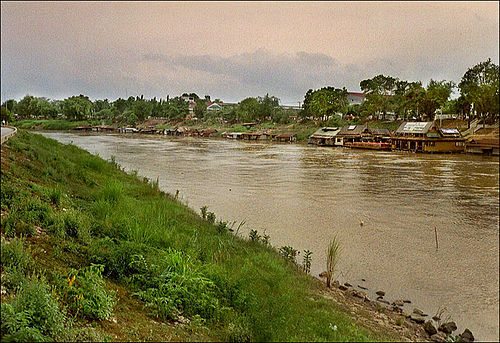
พิษณุโลกมีลักษณะภูมิประเทศเป็นที่ราบลุ่มแม่น้ำ มีแม่น้ำน่านไหลผ่านกลางเมืองในแนวเหนือ–ใต้ แบ่งพื้นที่เทศบาลออกเป็นสองฝั่ง ได้แก่ ฝั่งตะวันออกของแม่น้ำ มีพื้นที่ประมาณ 13 ตารางกิโลเมตร เป็นแหล่งประกอบธุรกิจ การขนส่ง และการติดต่อสื่อสาร ส่วนฝั่งตะวันตกของแม่น้ำ มีพื้นที่ประมาณ 5 ตารางกิโลเมตร เป็นย่านที่อยู่อาศัย สถานที่ราชการ และสถานศึกษา
พิษณุโลกบางครั้งเรียกว่า สองแคว เนื่องจากร้อยปีที่แล้วจุดบรรจบของแม่น้ำน่านและแม่น้ำแควน้อยอยู่ที่บริเวณใกล้กับตัวเมือง ปัจจุบันมีเฉพาะแม่น้ำน่านเท่านั้นที่ไหลผ่านตัวเมือง
สัญลักษณ์
สัญลักษณ์ประจำเทศบาลนครพิษณุโลกเป็นรูปช้างออกศึกภายในเส้นรอบวงเป็นรูปกษัตริย์ทรงช้าง โดยถือเอาสมเด็จพระนเรศวรมหาราชทรงกระทำยุทธหัตถีมีชัยชนะพระมหาอุปราชา
เขตการปกครอง
เทศบาลนครพิษณุโลก มีจำนวนชุมชนทั้งสิ้น 64 ชุมชน แบ่งเขตพื้นที่ชุมชนออกเป็น 4 เขต (โซน)
ผลการเลือกตั้งสมาชิกสภาเทศบาล พ.ศ. 2564
การเลือกตั้งเมื่อวันที่ 28 มีนาคม พ.ศ. 2564 มีผู้ได้รับเลือกตั้งเป็นสมาชิกสภาเทศบาลนครพิษณุโลก (สท.) ทั้ง 4 เขตเลือกตั้ง ดังนี้ (ปัจจุบันครบวาระแล้ว):
เขต 1: นายนรุตม์ชัย วิศวชัยวัฒน์, นายปรีชา วชิราศรีศิริกุล, นายสุรชัย สิ่งห์สง่า, นายธานี สนั่นนาม, นายเขมชาติ นิธิวรรณ, นายธนวิน ศรสุวรรณศรี
เขต 2: นายพิสิฐ อาภัสระวิโรจน์, นายภูวธัช วัฒนกุลชัย, นายสุรินทร์ ชัยวีระไทย, นายอัสวิน คูหาจิต, นายศิราวัฒน์ น้อยวงศ์, นายวรภีร์ ก่อวุฒิพงศ์
เขต 3: นายชาญธาดา ทิพย์กนก, นายจีระพงษ์ ลิ้มรส, น.ส.จรวรรณ สิรีรัตน์, นายกันย์ แสงทองคำ , นายสุนิพล ดีบ้านคลอง, นายวิชญะ ประกรรษวัต
เขต 4: นายชยพล อุบลเจริญ, นายภุชชงค์ พงษ์เจริญ, นายไพบูลย์ รังสิกรรพุม, นายพีระชัย รอบบรรเจิด, นายโสภณ หม่นมั่น, นายรวย พฤกษวรรณ
การขนส่ง

การเดินทางมายังตัวเมืองพิษณุโลกสามารถเดินทางด้วยทั้งทางถนน ทางรางและทางอากาศ ในตัวเมืองเป็นที่ที่มีจุดตัดทางหลวงหลายสายที่เชื่อมต่อไปยังภาคเหนือ ภาคตะวันออกเฉียงเหนือ และภาคกลาง ได้แก่ ทางหลวงแผ่นดินหมายเลข 11, ทางหลวงแผ่นดินหมายเลข 12, ทางหลวงแผ่นดินหมายเลข 117 และทางหลวงแผ่นดินหมายเลข 126 ซึ่งเป็นถนนวงแหวนรอบเมืองพิษณุโลก ช่วยเลี่ยงการจราจรที่หนาแน่นในตัวเมืองได้ ส่วนการขนส่งทางราง มีสถานีรถไฟภายในเขตเทศบาล 1 แห่ง คือ สถานีรถไฟพิษณุโลก และการขนส่งทางอากาศ มีท่าอากาศยาน 1 แห่ง คือ ท่าอากาศยานพิษณุโลก (อยู่ในเขตเทศบาลเมืองอรัญญิก)
การศึกษา
ต่อไปนี้เป็นรายชื่อสถานศึกษาภายในเขตเทศบาลนครพิษณุโลก
โรงเรียนวัดศรีวิสุทธาราม (วิไลราษฎร์อุปถัมภ์)
โรงเรียนสาธิตมหาวิทยาลัยราชภัฏพิบูลสงคราม
มหาวิทยาลัยราชภัฏพิบูลสงคราม ส่วนวังจันทน์
แหล่งข้อมูลอื่น
เว็บไซต์เทศบาลนครพิษณุโลก เก็บถาวร 2016-10-21 ที่ เวย์แบ็กแมชชีน
Kaynak: Wikipedia – เทศบาลนครพิษณุโลก · CC BY-SA 4.0
Toponymy

Song Khwae: The first element, song, means the number 'two'. The second element, khwae, means 'tributary', hence 'two rivers'.
Phitsanulok: The first element, Phitsanu (Thai: พิษณุ; Sanskrit: viṣṇu विष्णु "Vishnu"), is a cognate of 'Vishnu', a Hindu god (see, e.g., Witnu, Thai: วิษณุ). Lack of a v sound in the Thai language accounts for the two forms. The second element, lok (Thai: โลก; Sanskrit: loka लोक 'world') means 'globe' or 'world'. A loose translation of the entire name would be 'Vishnu's heaven'.
Piriya Krairiksh argued that the name Song Khwae, "two-branch city", belonged not to Phitsanulok but to Nakhon Sawan. Michael Vickery rejected this. He pointed out that the sources call Naresuan's father lord of Phitsanulok, and that the van Vliet chronicle calls him "Phraya Song Khveen". He nonetheless granted that the name fits the geography of Nakhon Sawan better. Piriya also used the itinerary of the Jinakalamali to argue that its Satchanalai meant Phitsanulok, which Vickery called not a necessary conclusion.
History

Phitsanulok is one of the oldest cities in Thailand. "Muang Yommarat" (เมืองยมราช), a circular-moated Dvaravati settlement of the 6th to 10th centuries about 1 kilometer across, lay 8 kilometers northwest of the present-day city center. The new city named "Song Khwae" was later founded over 600 years ago, located 5 kilometers south of the present-day Phitsanulok. According to the retrospective chronology derived from the textual evidence presented in the Ayutthaya Testimonies, the city of Phitsanulok was established in 937 by a monarch of Sankhaburi named Sudhammaraja. It then became under the Angkor influence around the 11th – 12th centuries.
Phitsanulok was originally named "Song Khwae" (lit. "Two Rivers") as it used to be situated between the Nan and Khwae Noi Rivers, although the Khwae Noi River now drains into the Nan River ten kilometers to the north of Phitsanulok. The Northern Chronicles credited the foundation of Song Khwae to "King Srithampidok" or King Thammaracha I of Sukhothai, on the east bank of Nan River. King Thammaracha I also constructed the Wat Phra Si Rattana Mahathat and cast famous Buddha images of Phra Buddha Chinnarat and Phra Buddha Chinnasri. Song Khwae eclipsed Sukhothai in importance, becoming the royal seat of Sukhothai Kingdom in 1378. After the demise of the last King of Sukhothai at Song Khwae in 1438, Prince Ramesuan of Ayutthaya came to rule Song Khwae. When Prince Ramesuan was crowned as King Trailokanat of Ayutthaya in 1448, Song Khwae and the Sukhothai Kingdom were incorporated into the Ayutthaya Kingdom.
The Ayutthaya annals call the town Chainat, where the Sukhothai inscriptions call it Song Khwae, until the two names were dropped in 1463. During the Ayutthaya-Lanna War, King Trailokanat moved his residence to Song Khwae in 1464 and renamed the city "Phitsanulok" (from Sanskrit Vishnu and Loka "world"). He expanded the city westward to the west bank of Nan River. Siroch Sittisombut dates the move to 1463, and describes it as joining Chainat and Song Khwae inside a single wall. In the sixteenth century, Phitsanulok was the seat of Uparaja or heir presumptive to Ayutthaya throne who took residence in the Chantana Palace on the west bank. In 1548, King Maha Chakkraphat appointed his supporter Phra Pirenthorathep as "King Thammaracha" of Phitsanulok as a tributary ruler. During the Burmese-Siamese Wars, Phitsanulok and the Sukhothai region became battlegrounds between Burma and Siam. When King Bayinnaung invaded Phitsanulok in 1563, King Thammaracha of Phitsanulok submitted to the Burmese.
Symbols

(photo left) From left to right: three figures symbolize Wat Yai: Phra Attharot, a 9 meter high standing Buddha image, the 36 meter high prang and the entrance gate of Vihara Luang, which enshrines Buddha Chinnarat; a nature park with a waterfall; for houseboats on the Nan river; King Naresuan riding his war elephant; hat-shaped tower.
(photo right) above: Seal of Phitsanulok City depicts King Naresuan, shown riding his war elephant (yellow), bottom: Phitsanulok City (Thai: thesaban nakhon Phitsanulok) (green).
Geography
Location
Phitsanulok is in the north of Thailand. Phitsanulok is about 377 kilometres north of Bangkok by road. Phitsanulok covers some 777 square kilometres and borders Uttaradit and Laos to the north, and Loei and Phetchabun to the northeast. The south is adjacent to Phichit while the west is adjacent to Kamphaeng Phet Province and Sukhothai.
Phitsanulok has many waterfalls, forests and caves. In the north is central area. In the north-west is a highland. It's the important recreational area such as Kaeng Sopha waterfall, Phu Hin Rong Kla and Phu Soi Dow. In the south plains along the Yom River and the Nan River is the most important agricultural district of Phitsanulok.
Topography
Phitsanulok lies primarily on flatland with some hills. The eastern portion of the city has some wooded area. The city is in the Nan Basin, which is part of the Chao Phraya watershed. Phitsanulok is sometimes called Song Kwae, the city of two rivers, a name dating to a time centuries ago when the Nan and Khwae Noi Rivers met near the city. Today, only the Nan River flows through Phitsanulok.
Climate
Phitsanulok has a tropical savanna climate (Köppen climate classification Aw). Winters are dry and very warm. Temperatures rise until April, which is very hot with the average daily maximum at 37.4 °C (99.3 °F). The monsoon season runs from May through October, with heavy rain and somewhat cooler temperatures during the day, although nights remain warm.
Administration
The administration of Phitsanulok City Municipality is responsible for an area that covers approximately 18.26 km2 (7.05 sq mi) and consists of only tambon Nai Mueang with 62,584 people and 37,507 households.
According to Municipal Act B.E. 2496 (1953, reviewed in 2003), the duties of the municipality include: clean water supply, waste and sewage disposal, communicable disease control, public training and education, public hospitals and electricity. The mayor, or the highest executive, is directly elected by the eligible voters in the municipal area. The mayor serves a four-year term and is assisted by no more than four deputy mayors appointed directly by the mayor. The Municipal Council is the legislative body of the municipality. It has the power to issue ordinances by laws, that do not contradict the laws of the country. The municipal council's jurisdiction applies to all people living in the municipal area.
There are a total of 64 communities (chumchon), divided into four groups. Although not directly chosen by the local citizens, they provides advice and recommendations to the local administrative organization.
Demographics
Ethnic diversity
The majority ethnicity in the city is Thai. Others in the city consider themselves of Mon descent.
Language
The majority of residents of Phitsanulok speak central Thai.
Religion
The people of Phitsanulok are predominantly Theravada Buddhists (as are 95% of the Thai population as a whole), with a small Christian community and a few Muslim families.
Education

Educational institutions
Naresuan University (abbreviated Mor Nor for Mahawithayalai Naresuan) is an educational center of the lower northern region of Thailand. Now in Tha Pho, near the city of Phitsanulok, the university was named after King Naresuan the Great, and the campus features a large statue of him. Other universities and colleges in or around the city include Phitsanulok University (private), Sirindhorn College of Public Health, Rajabhat Pibulsongkram University (formerly a teacher training college), and the Phitsanulok campus of the Rajamangala University of Technology Lanna.
Vocational institutions
There are three vocational colleges in the city:
Secondary (Mathayom) institutions
Phitsanulok City is home to three secondary institutions:
Janokrong school.[3] Archived 26 August 2018 at the Wayback Machine
Puttha Chinnarat Pitthaya school.[4] Archived 27 March 2021 at the Wayback Machine
Healthcare
There is one government hospital in Phitsanulok City: Buddhachinaraj Phitsanulok Hospital with 1,000 beds.
There are also five private hospitals with 400 beds total:
Bangkok Hospital Phitsanulok [5] Archived 4 March 2021 at the Wayback Machine
Phitsanulok Hospital [6] Archived 27 September 2021 at the Wayback Machine
Radiotherapy and Nuclear Medicine Hospital
Infrastructure

Airport
Close to the city center (Aranyik), Phitsanulok Airport receives up to six flights a day from Bangkok (flight time approximately 60 minutes), which are operated by three airlines: Nok Air, Thai Air Asia and Thai Lion Air.
Roads
Road 126, a multi-lane by-pass, lets through-traffic avoid the city. It connects to highway 11, which runs north to Uttaradit and Lampang and south to Sing Buri. It also meets highway 12, east to Phetchabun and west to Sukhothai, Tak and Mae Sot, and highway 117 south to Nakhon Sawan.
Buses
Phitsanulok Terminal 1 (Saen Phon Phai) and Terminal 2 (Samo Khae) provide the mass transport throughout Phitsanulok Province by some eight bus companies. Four minibus lines provide transportation around the city. Yanyon tour operates its own private bus station (Sua Thim) with only a busline to Bangkok.
Railway
In the city center, Phitsanulok railway station mainly receives intercity trains on the Northern Line, operated by State Railway of Thailand, more than a dozen trains running in each direction each day.
Media
The main channels for communication in the city are television and radio. The following public television and radio stations are broadcast from Phitsanulok:
Sathaanii Witthayu Krajaisiang Thahaan Aakaat (Air Force Radio Station), 954 AM and 95.75, in the City of Phitsanulok
Witthayu Kong Phon Thahaan Raap Thii Sii (4th Infantry Division), 1377 AM, at Fort Somdet Phra Naresuan Maharat
Sathaanii Witthayu Phitaksantiraat (Communications Division, Royal Thai Police), 1422 AM, in Phitsanulok City
ARMY-5 (television channel 5, owned and operated by the Royal Thai Army)
PRD-11 (television channel 11, owned and operated by the Government Public Relations Department)
Royal Thai Army
Phitsanulok is home to the Third Army Region of the Royal Thai Army, responsible for the northern and north-western parts of the kingdom.
Temples

Wat Phra Sri Rattana Mahathat
Phitsanulok's main tourist attraction is Wat Phra Sri Rattana Mahathat, known locally simply as Wat Yai (Thai: วัดใหญ่) (the big temple). This famous temple, built in 1357, is home to the Phra Buddha Chinnarat, which is one of the most revered Buddha figures in Thailand, and the official symbol of Phitsanulok Province. The beautiful mother-of-pearl inlaid doors were built in 1756 by order of King Boromakot of Ayutthaya. The Buddha Chinnarat National Museum, on the temple grounds, houses a sizeable collection of Sukhothai period art.
Other temples
The city is also home to the following temples where Theravada Buddhism is practiced by city residents (from north clockwise):
Wat Chedi Yod Thong (Thai: วัดเจดีย์ยอดทอง)
Wat Nang Phaya (Thai: วัดนางพญา), not a temple but a monastery
Wat Mai Opai Yaram (Thai: วัดใหม่อภัยาราม)
Wat Si Wisut Tharam (Thai: วัดศรีวิสุทธาราม)
Wat Sa Kaew Phatum Thong (Thai: วัดสระแก้วปทุมทอง)
Wat Chan Tawan Ook (Thai: วัดจันทร์ตะวันออก)
Wat Chan Tawan Tok (Thai: วัดจันทร์ตะวันตก)
Sports
Dragon boat racing has historically been an important element of Phitsanulok culture. In recent times, football (soccer) has become increasingly popular. In 2005, Phitsanulok won the 2nd Northern Youth Football Championship in the U12 and U15 age groups.
Traditional Thai boxing is also a major sport in the city.
Culture
Art
Phitsanulok is home to a number of historic sculptures of the Buddha and other religious artwork including the Buddha Chinnarat, the Buddha Chinnasi, the Phra Si Satsada.
Literature
Examples of important literary works of Phitsanulok include:
Lilit Yuan Pai (Thai: ลิลิตยวนพ่าย, English: Tale of the Fall of Lanna)
Lilit Prá Lô (Thai: ลิลิตพระลอ, English: Tale of the Hero Lô)
Klohng Táwâatsàmàat (Thai: โคลงทวาทศมาส, English: Poem of the Twelve Months)
Gam Sŏn Sĕe Bpràat (Thai: กำศรวลศรีปราชญ์, English: The Legendary Wise Archer's Grip)
The predominant literary language (as well as the predominant spoken language) is the central Thai dialect of the Thai language, which is written in the Thai alphabet.
Other attractions

Buranathai Buddha Foundry: Specializes in casting bronze Buddha images. It is the only establishment of its kind in the province. Craftspersons specialize in the reproduction of the Phra Buddha Chinnarat Buddha image. Visitors are permitted to walk along the production line.
Sergeant-Major Dr. Thawee Buranakhet Folklore Museum: Hosts a collection of folk arts, crafts, basketry, pottery and ancient kitchen utensils. The museum also houses a collection of antique traps for catching snakes, birds, tigers and porcupines.
City walls: Most of the older portions of Phitsanulok were destroyed in a 1955 fire. Thus little else remains of the old town besides the famous temple, an ancient chedi across the road from it, and a small section of the city wall. The intact portion of the ancient city wall is accessible to visitors.
Night Market: Each evening, vendors gather to form Phitsanulok's night market. Items sold include clothing and food, usually at reduced prices.
Chan Palace was the birthplace of King Naresuan the Great, and contains a shrine to him.
Naresuan University Art and Culture Gallery: The gallery holds over 100 artistic artworks of culturally significant Thai artists.
Nan River Houseboats: Phitsanulok is known throughout Thailand for the houseboats which still line the Nan River near Wat Phra Sri Rattana Maharat, though in recent years these are becoming fewer. A houseboat museum is open to visitors.
Festivals and events
Phra Buddha Chinnarat Fair: Held each January at Wat Phra Sri Rattana Mahatat Woramahawihan.
Suan Chom Nan Park Festival: Held twice a year along the Nan River. Food and local products are on sale.
Dragon Boat Races: On the first weekend of each October, dragon boat races are held outside Wat Phra Sri Rattana Mahatat Woramahawihan in the Nan River. Each dragon boat has a crew of approximately 30 oarsmen.
Kaynak: Wikipedia – Phitsanulok · CC BY-SA 4.0