
Interested in working with us in the future?
Follow to see new jobs and posts in your feed.
No news yet.
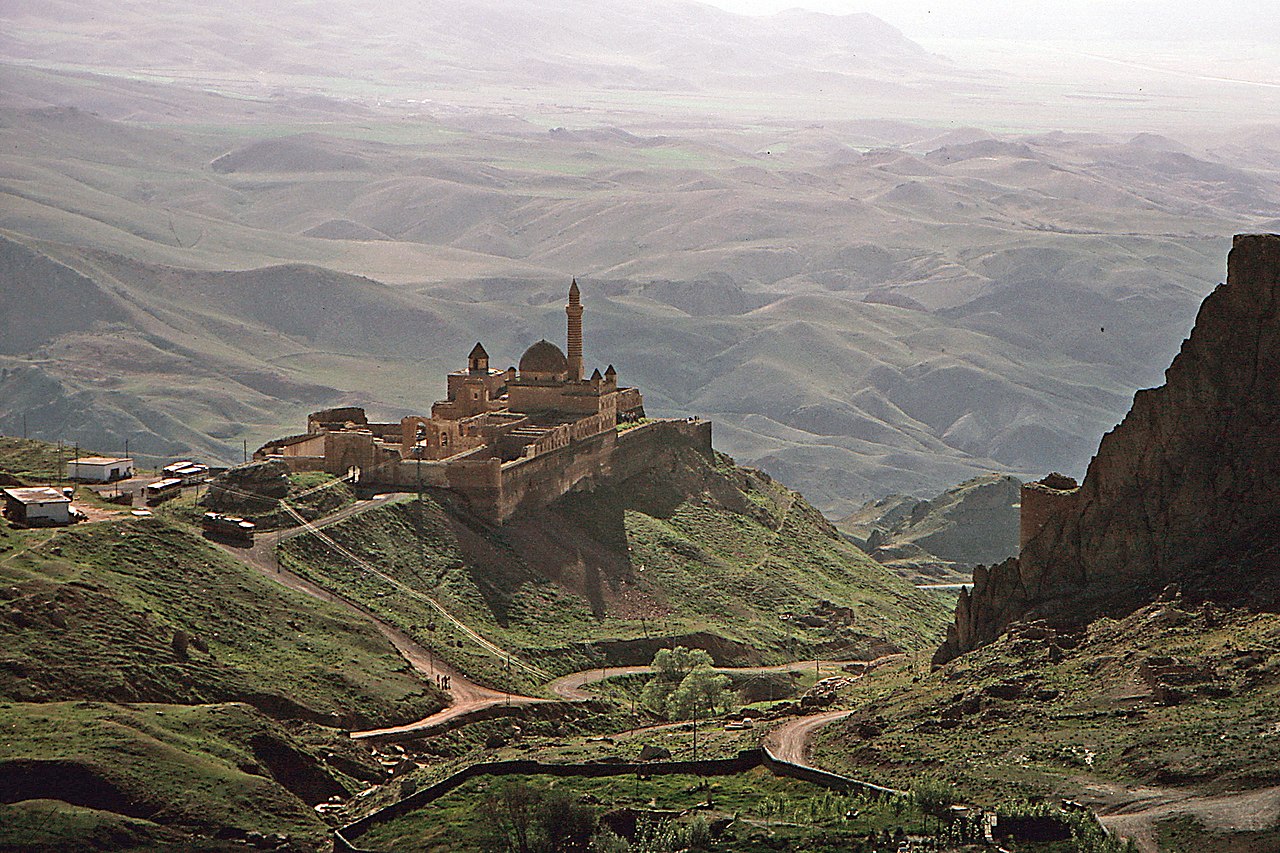
Tarih

Ağrı, kökenleri Orta Çağ ve İslam dönemine kadar uzanan Doğubayazıt ve Patnos gibi eski yerleşim yerlerine sahiptir. Uzun süre bölge Urartular, Ahameniş İmparatorluğu, İskender döneminde en güçlü çağını yaşayan Makedonya Krallığı, Seleukoslar ve uzun yıllar Pers ve Roma egemenliğini tanıyan Ermeni Krallığı'nın bir parçası olmuştur.
Muhammed'in 632'de ölümünden sonra başlayan İslami fetihlerle bölge müslüman yönetimine girdi. Müslümanlar bu bölgeyi Ermenilerden ve İranlılardan (Sasani İmparatorluğu) alıp kendi halifeliklerine bağladılar ve uzun süre bölgede söz sahibi oldular. Bölgeye ilk Müslümanlar Abbasiler döneminde 872'de yerleştiler.
Şehir, 1048 Pasinler Savaşı'ndan sonra Bizans egemenliğinden kısa bir süre Selçuklu egemenliğine girdi. Moğollar, 1243'teki Kösedağ Savaşında Ağrı da dahil olmak üzere tüm Anadolu'yu fethetti ve şehir daha sonra 1256'da kurulan İlhanlı Hanlığına dahil edildi.
Şah İsmail 1501 yılında Safevi devletini kurdu ve 1503 yılında Doğu Anadolu seferi sırasında Ağrı ve çevresini fethetti. 1514 yılında Çaldıran Muharebesi ile Safevi kontrolündeki şehir Osmanlı yönetimine girdi. 17. yüzyılda ünlü Kürt astronom, coğrafyacı, filozof ve İslam alimi Ehmede Xani (Ahmed-i Hani) bu şehre geldi. Beyazıt Sarayı'nda eğitim gördü ve fikirlerini orada geliştirdi.
19. yüzyılda Ağrı (özellikle Doğubayazıt ilçesi), Kaçar İran'ının başkomutanı Abbas Mirza'nın 1821'de şehri işgal ettiği ve daha sonra 1856'da Ruslar tarafından saldırıya uğrayıp 1877-1878 Osmanlı-Rus Savaşı (93 Harbi) sırasında Ruslar tarafından ele geçirildiği çatışmalara tanık oldu. Ruslar geri çekildiğinde, yerel Ermenilerin çoğu onlarla birlikte Sevan Gölü kıyısındaki Yeni Beyazıt'ı (şimdi Ermenistan'da Gavar) inşa etmek için ayrıldı.
Osmanlı döneminde bu bölgedeki şehirleşme 1860 yılında Pakrevand (Üçkilise) piskoposu Hovhannes önderliğindeki Bitlisli Ermeni ticaret gruplarının Karakilisa (Kara Kilise) adını verilerek başlamıştır. Bir mülkte 10-15 dükkân kurularak başlatılan şehirleşme sonrası Milli Mücadelenin ardından kent adı Karaköse adıyla değiştirilmiştir. 1946 yılında ise adı Ağrı yapılmıştır.
Nüfus
2020 yılı ADNKS'ye göre merkez ilçenin nüfusu; şehir merkezinde 119.154, bağlı köylerde 31.109 olmak üzere toplam 150.263 kişiden oluşmaktadır. Şehrin yıllara göre nüfus değişimi aşağıdaki tabloda gösterilmiştir.
Ulaşım

Türk Hava Yolları, her gün İstanbul Havalimanı'ndan Ağrı'ya bir sefer düzenlemektedir. AnadoluJet ise her gün Ankara'dan Ağrı'ya ve Sabiha Gökçen Havalimanı'ndan Ağrı'ya karşılıklı birer sefer yapmaktadır.
Kaynak: Wikipedia – Ağrı · CC BY-SA 4.0

History

Ağrı has old settlements such as Doğubeyazıt and Patnos, whose origins date back to the Middle Ages and the Islamic period. Over a long period of time, the region became part of the Urartians, the Achaemenid Empire, the Macedonian Empire founded by Alexander, the Seleucids, and the Armenian Kingdom, which recognized Persian and Roman domination for many years.
With the Islamic conquests that began after the death of Prophet Muhammad in 632, the region came under Muslim rule. The Muslims took this region from the Armenians and the Iranians (Sassanid Empire) and attached it to their own caliphate, and managed to have a say in the region for a long time. The first Muslims to settle in the region were settled in 872 during the Abbasid period.
The city came under Seljuk rule from the Byzantine rule for a short time after the 1048 Battle of Kaperton. The Mongols conquered all of Anatolia including Ağrı in the Battle of Kose Dağ in 1243 and the city was later included in the Ilkhanate Khanate established in 1256.
Shah Ismail founded the Safavid state in 1501 and conquered Ağrı and its surroundings in his eastern Anatolian campaign in 1503. With the Battle of Chaldiran in 1514, the city under Safavid control came under Ottoman rule. In the 17th century, the famous Kurdish astronomer, geographer, philosopher and Islamic scholar Ehmede Xani came to this city. He received education in the Beyazıt Palace and developed his ideas there.
The Dogubayazit district in the 19th century he town witnessed conflicts in the Ottoman–Persian War, when Abbas Mirza, commander-in-chief of Qajar Iran, occupied the town in 1821, and later in 1856, when it was attacked by Russia and taken by the Russians during the Russo-Turkish War (1877–1878). When the Russians retreated, most of the local Armenians left with them to build Yeni Beyazıt (now Gavar in Armenia) on the shores of Lake Sevan.
Economy and infrastructure
Ağrı contains most of the industry in Ağrı Province, where the main economic activity is agriculture and animal husbandry. There is Ağrı Meat and Milk Factory. The ELDESAN leather factory is one of the biggest in the region. There are also a sugar factory, shoe factory, flour mills, agricultural equipment manufacturing sites, brick factory, lime factory, furniture factory, dairy factory and textile mills.
North of Ağrı, there is a longwave broadcasting station with 2 250 metres tall guyed masts, broadcasting on 162 kHz with 1000 kW.
It is a very poor region with extremely cold winters. Most people live by grazing animals on the mountainside. Despite being home to a university, few people manage to attend; people tend to marry in their teens, and families with ten or more children are common. The local MP Fatma Salman Kotan has written of the need to erode the patriarchal nature of society in the region.
Demographics
On the eve of the First World War, 8,180 Armenians lived in the kaza of Karakilise. The city itself had a total population of 4,500, half of them being Armenians. The town had two Armenian schools. Ağrı and its surrounding province are predominantly Kurdish-speaking. Scholars examining the demographics of eastern Turkey's Kurdish-inhabited regions have identified Ağrı Province as one of the areas with the highest concentration of Kurdish speakers. The predominant spoken language of the province is Kurmanji (Northern Kurdish), the most widely spoken Kurdish dialect in Turkey.
Climate
Ağrı has a dry-summer warm-summer humid continental climate (Dsb) under Köppen and a warm summer continental climate (Dcb) under Trewartha classification. Summers are generally brief but warm with cool nights. The average high temperature in August is roughly 30 °C (86 °F). Winters are very cold. The average low January temperature is −16 °C (3 °F). It snows a lot in winter, staying for an average of four months in the city. The highest recorded temperature was 39.9 °C (103.8 °F) on 10 August 1961. The lowest recorded temperature in Ağrı was −45.6 °C (−50.1 °F) on 20 January 1972. The city receives an average of 537 millimetres of precipitation per year. The rainiest months are April and May, while the driest is August. The highest recorded snow thickness was 225 cm (88.6 inches) on 21 February 1985.
Kaynak: Wikipedia – Ağrı · CC BY-SA 4.0