


Bratislava
Bratislava je hlavné a rozlohou aj počtom obyvateľstva najväčšie mesto Slovenska.
Government administration · Slovakia · 0 followers
Overview
Bratislava je hlavné a rozlohou aj počtom obyvateľstva najväčšie mesto Slovenska. K 31. decembru 2025 tu žilo 480 902 obyvateľov, pričom celý Bratislavský kraj, zahŕňajúci okrem Bratislavy aj priľahlé okresy Malacky, Pezinok a Senec, obývalo 739 635 obyvateľov. Bratislava je súčasťou širšieho bratislavského metropolitného regiónu, ktorý zahŕňa približne 1,3 milióna obyvateľov.
Interested in working with us in the future?
Follow to see new jobs and posts in your feed.
No news yet.
About

Bratislava je hlavné a rozlohou aj počtom obyvateľstva najväčšie mesto Slovenska. K 31. decembru 2025 tu žilo 480 902 obyvateľov, pričom celý Bratislavský kraj, zahŕňajúci okrem Bratislavy aj priľahlé okresy Malacky, Pezinok a Senec, obývalo 739 635 obyvateľov. Bratislava je súčasťou širšieho bratislavského metropolitného regiónu, ktorý zahŕňa približne 1,3 milióna obyvateľov.
Kaynak: Wikipedia · CC BY-SA 4.0
Geografia

Nachádza sa v strednej Európe, na súradniciach 17°10'75'' východnej dĺžky, 48°14'90'' severnej šírky, 126 – 514 m nad morom. Rozprestiera sa po oboch brehoch rieky Dunaj, na úpätí pohoria Malé Karpaty. Svojou rozlohou 368,58 km² je najväčším mestom Slovenska. Leží v bezprostrednej blízkosti Rakúska a Maďarska. Je jediným hlavným mestom na svete, ktoré hraničí súčasne s dvoma krajinami (na juhu s Maďarskom, na západe s Rakúskom). Nachádza sa 60 km východne od Viedne, čím je súčasťou najtesnejšieho zoskupenia dvoch hlavných miest v Európe a s Viedňou, maďarským mestom Győr (Ráb) a moravským mestom Brno tvorí významný stredoeurópsky metropolitný región CENTROPE.
Najbližšie obce a mestá pri Bratislave sú na severe obce Marianka a Borinka, mestá Stupava a Svätý Jur, na východe obce Most pri Bratislave, Chorvátsky Grob a Ivanka pri Dunaji, na juhovýchode obce Rovinka, Dunajská Lužná, Kalinkovo, Hamuliakovo a mesto Šamorín, na juhu maďarská obec Rajka a rakúska obec Deutsch Jahrndorf, na západe rakúske obce Kittsee (Kopčany) a Wolfsthal a rakúske mesto Hainburg an der Donau.
Predpokladá sa, že v najbližšom období sa bude Bratislava rozvíjať aj juhozápadným smerom v okolí štátnej hranice s Rakúskom a pravdepodobne bude plynulo napojená aj na susedné rakúske obce.
Časti mesta
Bratislava sa delí na 5 okresov a tie spolu na 17 mestských častí. Z hľadiska rozlohy sú najväčšou mestskou časťou Podunajské Biskupice; s podielom 11,5 % a najmenšou mestská časť Lamač s podielom 1,8 % z celkovej rozlohy mesta.
Vodné toky
Cez Bratislavu tečie rieka Dunaj, druhá najväčšia európska rieka, a oddeľuje mestskú časť Petržalka od ostatných mestských častí. V mestskej časti Devín sa do Dunaja vlieva rieka Morava, do ktorej západne od Devínskej Novej Vsi ústi riečka Mláka.
Do Karloveského ramena sa západne od Dlhých dielov vlieva Mokrý potok a pri Riviére Suchá Vydrica. Pri Botanickej záhrade ústi do Dunaja potok Vydrica.
Názov
Názov Bratislava platí od 6. marca 1919. Pred rokom 1918 sa v 19. storočí volala po slovensky Prešporok, Prešpurek alebo Prešpurk (z nem. Pressburg), zriedkavo Bratislava, Břetislava či Požúň, po maďarsky Pozsony, po nemecky Preßburg (súčasným pravopisom Pressburg). V maďarčine sa dodnes prevažne používa názov Pozsony, v nemčine sa dnes používa aj názov Pressburg, aj názov Bratislava.
Latinský názov znie Posonium alebo staršie aj (z gréčtiny) Istropolis.
Bratislava je známa aj pod označeniami Krásavica na Dunaji, Mesto fontán a Mesto Mieru (titul mestu udelila Svetová rada mieru).
Skrátené sa ľuďmi nepochádzajúcimi z Bratislavy často nazýva aj Blava, proti čomu bojujú Bratislavčania argumentujúc tým, že Blava je potok v Trnavskom okrese. Bratislavčania pomenovanie Blava nepoužívajú, preto pomenovaním „Blaváci“ označujú ľudí nepochádzajúcich z Bratislavy.
Symbolika

Erb
Prvý erb v podobe strieborných veží a padacej mreže v mestských hradbách udelil mestu Prešporku cisár Žigmund Luxemburský listinou z 8. júla 1436, ktorou potvrdil právo užívať už predtým zaužívanú symboliku. Mesto používa tento erb v prakticky nezmenenej podobe do súčasnosti.
Zákon o hlavnom meste Slovenskej republiky Bratislave udelil v roku 1990 mestu ako symboly erb, zástavu a pečať. Podľa zákona erb Bratislavy tvorí „v červenom neskorogotickom štíte strieborné trojvežové opevnenie s bránou, na červených strechách veží sú po dve zlaté gule so zlatými hrotmi a v bráne zlaté, do polovice vytiahnuté mreže“.
V Heraldickom registri Slovenskej republiky je zaregistrovaný erb obce Bratislava s rozdielnym blazonovaním: „V červenom štíte strieborné trojvežové opevnenie s oknami a bránou, na červených strechách veží vždy po dve zlaté gule, v bráne zlatá, do polovice vytiahnutá mreža“. Zaregistrovaný blazón na rozdiel od znenia v zákone neopisuje tvar štítu (ktorý nie je vyobrazený ani na pôvodnej donačnej listine), trojvežovému opevneniu pridáva do opisu okná, zlatým guliam neopisuje zlaté hroty a množné číslo mreže mení na jednotné číslo mreža. Na vyobrazení erbu v registri zlaté hroty na guliach skutočne chýbajú, a na prostrednej veži zobrazuje pod strechou štyri okná, na rozdiel od troch okien vyobrazených na donačnej listine, aj na oficiálnej modernej verzii.
Opevnenie v erbe Bratislavy sa zvykne nesprávne vysvetľovať ako vyobrazenie hradu, alebo ako vyobrazenie troch bratislavských brán: Michalskej brány, Vydrickej brány a brány svätého Vavrinca (Laurinskej). Ide však o všeobecný stredoveký symbol mesta.
Zástava
Zástavu Bratislavy tvoria dva vodorovné pruhy horný biely a spodný červený rovnakej šírky. Jej rozmery sú 2:3 a je ukončená lastovičím chvostom (zástrihom) siahajúcim do jednej tretiny jej dĺžky.
Dejiny
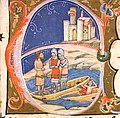
staršia kamenná doba: Pästné kliny a iné kamenné nástroje človeka heidelberského (okolo 450 000 a okolo 300 000 pred Kr.) a neandertálca
mladšia kamenná doba: Trvalé osídlenie územia (počínajúc ľudom s lineárnou keramikou)
400 – 50 pred Kr.: Kelti; od 125 pred Kr. sa tu nachádza významné keltské oppidum (opevnené mesto) s mincovňou
1. storočie – 5. storočie po Kr.: Hranica Rímskej ríše vedie stredom dnešného mesta. Početné rímske (napr. Gerulata) a germánske osady.
6. storočie – 8. storočie: Prví Slovania (od roku 500 dodnes) a Avari (od konca 6. stor. až do 8. stor.)
od konca 8. storočia do roku 833: Súčasť Nitrianskeho kniežatstva.
805/807 (približne): K tomuto roku Aventinus spomína moravské knieža menom Uratislaus (čiže Vratislav), ktoré dalo postaviť na mieste zničenej rímskej hraničnej pevnosti Pisonium mesto, ktoré nieslo meno po svojom zakladateľovi, čiže Uratislaburgium.
907: Prvá písomná zmienka o Bratislave (Prešporok) v Salzburgských análoch najväčších v spojitosti s bitkou pod hradom medzi Bavormi a starými Maďarmi
1207 V Bratislave sa narodila Alžbeta Uhorská, svätá, dcéra kráľa Ondreja II a Gertrúdy Meranskej, sesternica svätej Anežky Českej
1291: Uhorský kráľ Ondrej III. udelil Bratislave rozsiahle mestské privilégiá, čím potvrdil jej začlenenie do sústavy kráľovských miest.
1436: Žigmund Luxemburský udelil mestu právo používať erb.
1464: Matej Korvín potvrdil všetky staré privilégiá Bratislavy Zlatou bulou.
1468: Právo meča udelené Matejom Korvínom.
1536 – 1784: Hlavné mesto Kráľovského Uhorska, neskôr Uhorska.
1542 – 1848: Miesto zasadaní uhorského snemu.
1543 – 1820: Sídlo ostrihomského arcibiskupa.
1563 – 1830: Korunovačné mesto uhorských kráľov.
od 18. storočia: Centrum Slovenského národného obrodenia.
cca 1711: Veľká morová epidémia, zahynulo 3 860 ľudí.
1741: Mária Terézia (25. jún) tu bola korunovaná za uhorskú kráľovnú.
Obyvateľstvo
Národnostné zloženie obyvateľstva
Podľa sčítania v roku 2021 malo slovenskú národnosť 89,8%, maďarskú 2,4%, českú 1,1% a nemeckú 0,2% obyvateľov.
Bratislava bola v minulosti mnohonárodnostným mestom, ktoré prešlo značnými zmenami v etnickom zložení obyvateľstva. Po mongolskom vpáde do Uhorska nastal v oblasti Bratislavy demografický pokles a vyľudnenie niektorých oblastí. To viedlo k novej prisťahovaleckej vlne, ktorá Bratislavu a blízke okolie výrazne ponemčila. V roku 1880 tvorili Nemci viac ako 60 % obyvateľstva (Nemci: 63,41 %, Slováci: 15,15 %, Maďari: 15,14 %). V nasledujúcich desaťročiach rýchlo rástol podiel maďarského obyvateľstva (1880: 15,14 %, 1890: 19,91 %, 1900: 30,52 %, 1910: 40,53 %) a to najmä na úkor Nemcov, ktorí stratili absolútnu väčšinu až v roku 1910.
Tieto štatistiky však zahŕňajú iba Bratislavu (Prešpork) v jej dobových hraniciach. Na území pôvodne susedných obcí, ktoré dnes tvoria jeho integrálnu súčasť, mali na prelome 19. a 20. storočia relatívnu väčšinu Slováci. Podľa sčítania z roku 1900 mali výraznú väčšinu najmä v dnešných mestských častiach Dúbravka (98,57 %), Záhorská Bystrica (96,40 %), Lamač (93,95 %), Vajnory (92,54 %) a Rača (74,68 %). Maďari mali výraznú prevahu v dvoch obciach – Vrakuňa (89,82 %) a Podunajské Biskupice (87,34 %), v ďalších ich podiel nepresahoval 20 %.
K ďalším výrazným zmenám v etnickom zložení došlo v medzivojnovom a povojnovom období. Pričlenenie Bratislavy k Česko-Slovensku znamenalo odchod značnej časti maďarského obyvateľstva, nasledovaný prílevom slovenskej a českej populácie (najmä inteligencie) a celkovým rastom mesta. Už v roku 1930 tvorili príslušníci „československej“ národnosti takmer polovicu obyvateľov (48 %). V novembri 1944 došlo k rozhodnutiu evakuovať nemeckých obyvateľov Bratislavy a blízkeho okolia. V priebehu februára – marca 1945 väčšina z nich mesto opustila. Proces etnickej premeny mesta bol zavŕšený povojnovými odsunmi nemeckého a maďarského obyvateľstva.
Politika

Verejné ustanovizne
Bratislava je ako hlavné mesto Slovenska sídlom Národnej rady Slovenskej republiky, Prezidenta Slovenskej republiky, ministerstiev, Najvyššieho súdu Slovenskej republiky a Národnej banky Slovenska. Je tiež sídlom Úradu Bratislavského samosprávneho kraja. Nachádzajú sa tu aj viaceré veľvyslanectvá.
Mestská samospráva
Zákon Národnej rady Slovenskej republiky z 13. septembra 1990 o hlavnom meste Slovenskej republiky Bratislave č. 377/1990 Zb. určil Bratislave štatút hlavného mesta spravovaného magistrátom, mestským zastupiteľstvom a primátorom hlavného mesta SR Bratislavy.
Mestské zastupiteľstvo hlavného mesta Slovenskej republiky Bratislavy je orgánom samosprávy mesta a zastupiteľským zborom obyvateľov mesta. Má 45 poslancov, ktorí sú volení priamo v komunálnych voľbách na obdobie štyroch rokov.
Primátor hlavného mesta Slovenskej republiky Bratislavy je výkonným a štatutárnym orgánom mesta. Je volený priamo na 4-ročné volebné obdobie. Vedie zasadnutia mestského zastupiteľstva a mestskej rady a podpisuje ich uznesenia. Má troch námestníkov.
Mestská rada je iniciatívnym, výkonným a kontrolným orgánom mestského zastupiteľstva. Skladá sa z 10 členov, ktorých volí mestské zastupiteľstvo zo svojich poslancov, starostov všetkých mestských častí a námestníkov primátora. Schádza sa najmenej raz za mesiac.
Magistrát hlavného mesta SR Bratislavy plní odborné, administratívne a organizačné práce súvisiace s plnením úloh mestských orgánov. Na čele stojí riaditeľ.
Hlavné mesto SR Bratislava je ďalej delené na 17 samosprávnych mestských častí, ktoré sú spravované vlastnými miestnymi zastupiteľstvami na čele so starostami.
Hospodárstvo a ekonomika

Bratislavský región (Bratislavský kraj) je najbohatší slovenský región a v rámci nových krajín Európskej únie je na prvom mieste (druhá je Praha) v poradí podľa HDP na obyvateľa vyjadrený v parite kúpnej sily (PPS), kde dosahuje 186 % priemeru Európskej únie – 51 200 € na obyvateľa (v roku 2014), čo je 6. miesto zo všetkých regiónov Európskej únie. Je tu pomerne nízka nezamestnanosť (3,7 % v júli 2017) a veľa obyvateľov z iných regiónov Slovenska sem cestuje za prácou.
Priemerná mzda v Bratislavskom kraji bola v roku 2024 vo výške 2 141€.
Jednou z najdôležitejších firiem v Bratislave je automobilka Volkswagen, nachádzajúca sa na okraji mesta severovýchodne od Devínskej Novej Vsi. Veľký rozmach zažila Bratislava najmä na začiatku 21. storočia, keď si tu otvorili svoje prevádzky viaceré medzinárodné korporácie, ako Accenture, AT&T, Dell, Hewlett-Packard, IBM, Lenovo či SAP. Medzi významné domáce či zahraničné podniky sídliace v meste patria Doprastav, ESET, Henkel Slovensko, Kraft Foods Slovakia, Orange Slovensko, Slovak Telekom, Slovenská sporiteľňa, Slovenský plynárenský priemysel, Slovnaft, Tatra banka, Tesco Slovakia, O2 Slovakia, Whirlpool Slovakia či Železnice Slovenskej republiky.
Najznámejšie biznis centrá sa umiestňujú v lokalite Mlynské Nivy a v okolí v mestskej časti Ružinov, napríklad Bratislava Business Center I – V, Apollo Business Center I a II, ktoré sa nachádzajú v mestskej časti Ružinov. Menšie biznis centrá sa nachádzajú aj v Novom Meste alebo v okolí Patrónky.
Sídli tu Burza cenných papierov v Bratislave a Komoditná burza Bratislava.
Doprava

Doprava v Bratislave je zabezpečovaná rozsiahlou infraštruktúrou mestskej a diaľkovej dopravy. Bratislava ako hlavné mesto Slovenska je významným dopravným uzlom, má približne 48 km trolejbusových tratí so 106 km trolejového vedenia (2009).
Väčšiu koordináciu všetkých systémov hromadnej dopravy zabezpečuje Bratislavská integrovaná doprava od roku 2013.
V Bratislave sa takisto nachádza viacero železničných staníc, z ktorých najväčšia je Hlavná stanica. Cez mesto prechádzajú aj diaľnice D1, D2 a D4 a na okraji mesta je medzinárodné Letisko M. R. Štefánika.
V roku 2021 bola otvorená nová autobusová stanica Nivy, multifunkčná budova, pozostávajúca tiež z nákupného centra.
Kultúra

Bratislava je kultúrne centrum Slovenska, pričom tu má sídlo niekoľko múzeí, galérií, divadiel, vedeckých a vzdelávacích inštitúcií. Bola tu založená prvá univerzita na území Slovenska, Universitas Istropolitana. Mesto samotné je jednou z najvýznamnejších slovenských turistických destinácií. Centrálna časť Starého Mesta je pamiatkovou zónou, historické jadro spolu s Bratislavským hradom a Podhradím je pamiatkovou rezerváciou.
Divadlá
V Bratislave má sídlo Slovenské národné divadlo, ktoré od roku 2007 sídli v dvoch budovách, v historickej budove a v novostavbe pri Dunaji, v novej modernej mestskej štvrti nazvanej Bratislavský downtown.
V Bratislave sídli aj mnoho menších a alternatívnych divadiel, napríklad: Divadlo Pavla Országha Hviezdoslava, Malá scéna, A4 – nultý priestor, Bratislavské bábkové divadlo, Bratislavské divadlo tanca, Divadlo Astorka Korzo ’90, Divadlo Aréna, Divadlo Ívery – študentské divadlo, Divadlo Ludus, GUnaGU, Divadlo Nová scéna, Radošinské naivné divadlo, Štúdio L&S, Tanečné divadlo Bralen a Teátro Wustenrot.
Múzeá a galérie
Bratislava je sídlom Slovenského národného múzea, ktoré sa nachádza na Vajanského nábreží v blízkosti osobného prístavu. Na históriu Bratislavy je zamerané Mestské múzeum v Bratislave, založené v 1868. Pri hlavnej železničnej stanici medzi ulicami Štefánikova, Pražská a Šancová je Múzeum dopravy. Zaujímavosťou je Múzeum hodín v Dome u dobrého pastiera na Židovskej ulici oproti Katedrále svätého Martina, Múzeum zbraní v Michalskej bráne a Farmaceutické múzeum hneď vedľa na Michalskej ulici.
Pre židovskú komunitu sú mimoriadne dôležité Múzeum židovskej kultúry na Židovskej ulici, Mauzóleum Chatama Sófera a Židovské komunitné múzeum, ktorého sídlom je jediná synagóga v Bratislave na Heydukovej ulici. V mestskej časti Čunovo na dunajskej hrádzi v bezprostrednej blízkosti štátnej hranice s Rakúskom a Maďarskom je nové múzeum moderného umenia Danubiana.
Školstvo

V Bratislave majú sídlo štyri univerzity (z toho tri verejné a jedna štátna): Univerzita Komenského, Slovenská technická univerzita, Ekonomická univerzita a Slovenská zdravotnícka univerzita. Sídli tu tiež Teologická fakulta Trnavskej univerzity.
Okrem univerzít v Bratislave sídli ďalších osem vysokých škôl a jedna tu má detašované pracovisko.
V Bratislave sa nachádza vyše 65 stredných škôl. Najlepšie hodnotené podľa rebríčka škôl INEKO sú:
Stavby

Pamiatky
Bratislava má početné pamiatky. Na Hlavnom námestí sa nachádza fontána so sochou kráľa Maximiliána II., (dal ju postaviť po svojej korunovácii v Bratislave v roku 1563, z dôvodu nedostatku vody v centre mesta, ktorý sa ukázal ako problém pri hasení požiaru, ktorý vypukol pri korunovácii; dokončená bola v roku 1572. Často, ale nesprávne, býva nazývaná aj Rolandovou fontánou) a stará radnica. Ide o najstaršiu radnicu Slovenska, v ktorej sa dnes nachádza Mestské múzeum. Cez jej vnútorný dvor sa dostaneme na ďalšie námestie, na ktorom stojí Primaciálny palác, podľa ktorého je tiež námestie pred ním pomenované. Palác bol pôvodne sídlom ostrihomského arcibiskupa. Roku 1805 bol v Zrkadlovej sieni paláca podpísaný takzvaný Bratislavský mier a dnes sála slúži ako reprezentačná miestnosť, v ktorej môžeme obdivovať zbierku anglických gobelínov.
Na Hviezdoslavovom námestí môžeme obdivovať budovu Slovenského národného divadla, v ktorom sa v dnešnej dobe konajú operné a baletné predstavenia. Budova bola postavená podľa vzoru parížskeho divadla. V úzkych mestských uličkách si môžeme ešte aj dnes vychutnať atmosféru starej Bratislavy. Práve po nich je možné sa dostať až k hlavnej dominante hlavného mesta – k hradu. Hrad slúžil celé stáročia ako kráľovské a župné sídlo, dnes v ňom sídli Slovenské národné múzeum.
Medzi najvýznamnejšie pamiatky patrí Academia Istropolitana, Hrad, Devínsky hrad, Erdődyho palác, Grassalkovichov palác – prezidentský palác, Letný arcibiskupský palác, Michalská brána, Mirbachov palác, Palác Leopolda de Pauli, Primaciálny palác, Slovenské národné divadlo, Slovenská filharmónia, Slovenská národná galéria, Stará radnica (Bratislava), Mauzóleum Chatama Sófera, Synagóga na Heydukovej ulici, ktorá je jedinou synagógou v Bratislave. Postavená bola v kubistickom slohu v rokoch 1923 – 1926 a je dielom bratislavského židovského architekta Artura Szalatnaia-Slatinského. Synagóga dodnes slúži bratislavskej židovskej komunite a je národnou kultúrnou pamiatkou. Budova Slovenského rozhlasu – má tvar obrátenej pyramídy, Zichyho palác a Televízna veža na Kamzíku.
Parky

V Bratislave sa nachádza niekoľko parkov a v okolí lesy Malých Karpát. Najväčším parkom v meste je bratislavský lesopark na priľahlých vrchoch Malých Karpát, v ktorom sa nachádza niekoľko turistických stredísk, napríklad Železná studnička alebo Koliba, Horský park, ktorý sa nachádza v Starom Meste, je jedinečný tým, že obsahuje pôvodné rastliny a živočíchy. Na Petržalskej strane sa nachádza Sad Janka Kráľa, založený v rokoch 1774 až 1776, čo je prvý verejne prístupný park v strednej Európe. Bratislavská zoologická záhrada sa nachádza v Mlynskej doline.
Šport

Bratislava je jedno z mála miest na svete, ktoré majú koncentrované veľmi blízko hokejový štadión, futbalové štadióny a tenisový štadión. Na pomerne malej ploche v mestských štvrtiach Tehelné pole a Pasienky sa nachádza Zimný štadión Ondreja Nepelu, futbalové štadióny Tehelné pole a Pasienky, Národné tenisové centrum a športová hala Inter hala Pasienky.
Medzi najvýznamnejšie športové futbalové kluby Bratislavy patrí ŠK Slovan Bratislava a FC Petržalka.
HC Slovan Bratislava je hokejový majster Česko-Slovenska a niekoľkonásobný majster Slovenska. Pôsobí tu aj HK Ružinov 99.
Účastníkom basketbalovej extraligy mužov sú od sezóny 2014/2015 dva kluby, starším je BK Inter Bratislava, mladším klubom je MBK Karlovka Bratislava.
Kanoistika je zastúpená klubmi ŠKP-športový klub polície, UKB-Slávia UK, KVS Karlova Ves Bratislava, Vodácky klub Tatran Karlova Ves Bratislava, Vodácky klub Dunajčík Bratislava, Dunajklub Kamzík Bratislava, KRK Vinohrady Bratislava a Kanoistický klub Inter.
Veslovanie má zastúpenie v kluboch Veslársky oddiel Slávia STU Bratislava, Slovenský veslársky klub a ŠK Slávia Filozof.
Hokejbal má zastúpenie v klube LG ABhokej Bratislava , ktorý hrá Slovenskú hokejbalovú extraligu mužov.
BMX Racing (bikros) reprezentuje BMX Klub Rača, ktorý pôsobí na dráhe na Černockého ulici a klub Henky Riders, ktorý má svoje zázemie mimo Bratislavy v obci Dunajská Lužná.
Čestné občianstvo
Jan Masaryk, minister zahraničných vecí, udelené v apríli 1947
Dr. Helmut Zilk, starosta mesta Viedeň, udelené 4. septembra 1990
Ján Chryzostom kardinál Korec, sídelný biskup nitriansky, udelené 26. mája 1994
Ladislav Chudík, zaslúžilý a národný umelec, udelené 26. mája 1994
prof. MUDr. Karol Virsík, Dr.Sc., lekár, udelené 28. septembra 1995
Edita Gruberová, sopranistka, udelené 28. septembra 1997
Václav Havel, československý prezident, udelené 18. novembra 2009
Karel Gott, český spevák, udelené 28. októbra 2014
Partnerské mestá
Viedeň – Oficiálne partnerstvo bolo podpísané 3. mája 1993 a obnovené 2. mája 2003.
Spolupráca s mestom Viedeň prebieha prostredníctvom projektov cezhraničnej spolupráce (Phare, Interreg IIIA), ako aj na bilaterálnej a multilaterálnej úrovni (CENTROPE, JORDES+). Mestá spolupracujú na poli cestovného ruchu, dopravnej infraštruktúry, vrátane diaľničného napojenia, oboch letísk a využívania rieky Dunaj ako lodnej cesty predovšetkým pomocou projektu Twin City.
Krakov – Oficiálne partnerstvo bolo podpísané 13. mája 1987 a obnovené 22. októbra 2003.
Ľubľana – Oficiálne partnerstvo bolo podpísané 4. marca 1967 a obnovené 22. septembra 2002.
Ulm – Partnerstvo s týmto mestom oficiálne trvá od 13. júna 2003.
Perugia – Mesto v talianskej provincii Umbria je historicky najstarším partnerským mestom Bratislavy. Dohoda bola podpísaná v júli 1962.
Spolupráca prebieha najmä v oblasti kultúrnej výmeny, vzdelávania a školstva.
Literatúra
HOTVÁTH, Vladimír – LEHOTSKÁ, Darina – PLEVA, Ján (eds.): Dejiny Bratislavy. Bratislava : Obzor, 1978. 480 s. + 68 s. obrazových príloh.
SALNER, Peter: Premeny Bratislavy 1939 – 1993. Bratislava : Veda, vydavateľstvo SAV 1998.
SALNER, Peter a kol.: Taká bola Bratislava. Bratislava : Veda, vydavateľstvo SAV 1991.
Pozri aj
Kultúrne pamiatky: Bratislava I: 0 – 9, A – F, G – J, K – L, M – O, P – R, S, Š, T – V, W – Ž, Bratislava II, Bratislava III, Bratislava IV, Bratislava V
Iné projekty
Commons ponúka multimediálne súbory na tému Bratislava
Externé odkazy

Fotografie a linorezy Bratislavy 40-ych rokov v diele Pressburg in der neuen Slowakei Geschichte, Kultur, Wirtschaft... Pressburg: Buch- und Zeitungsverlagsgenossenschaft, 1940. 207 s. - dostupné online v Digitálnej knižnici UKB
Dielo od zástupcu starostu Bratislavy z r. 1928 s názvom Československá republika: Bratislava. Bratislava: Mestská rada, Berlin: Dari, 1928. 284 s. - dostupné online v Digitálnej knižnici UKB
mapa mesta z r. 1904 Pozsony szab. kir. városnak, Pozsony környéke és Pozsony megyének. Pozsony: Steiner Zsigmond, 1904. 7 s. - dostupné online v Digitálnej knižnici UKB
kniha v nemčine o Bratislave a jej okolí z roku 1865 s názvom Pressburg und seine Umgebung, : Mit einer geologischen Karte und mehreren Abbildungen. Pressburg: Wigand, 1865. 478 s. - dostupné online v Digitálnej knižnici UKB
Zoznam miest, s ktorými má Bratislava uzatvorenú zmluvnú spoluprácu https://zastupitelstvo.bratislava.sk/data/att/11916.pdf
Kaynak: Wikipedia – Bratislava · CC BY-SA 4.0
Etimoloji
Şehir, bugünkü adını 16 Mart 1919'da aldı. O zamana kadar İngilizcede çoğunlukla "Pressburg" (Almanca adı Preßburg'dan) olarak biliniyordu, çünkü 1526'dan sonra çoğunlukla Habsburg monarşisinin hakimiyetindeydi ve şehir önemli bir etnik Alman nüfusa sahipti. Bu terim, 1919 öncesi Slovakça (Prešporok) ve Çekçe (Prešpurk) isimlerin türetildiği terimdir.
Dilbilimci Ján Stanislav, şehrin Macarca adı olan Pozsony'nin, muhtemelen 950'den önce kalenin sahibi olan bir prensin Božan soyadına atfedildiğine inanıyordu. Latince isim de aynı soyadına dayansa da, sözlükbilimci Milan Majtán'ın araştırmasına göre Macarca versiyon, prensin yaşamış olabileceği döneme ait hiçbir resmi kayıtta bulunmamaktadır. Ancak her üç versiyon da Slovakça, Çekçe ve Almancada bulunanlarla ilişkilidir: Vratislaburgum (905), Braslavespurch ve Preslavasburc (her ikisi de 907).
Orta Çağ yerleşimi Brezalauspurc (kelime anlamıyla Braslav'ın kalesi), bazen Bratislava'ya atfedilir, ancak Brezalauspurc'un gerçek konumu akademik tartışma altındadır. Şehrin modern adı, Pavol Jozef Šafárik'in Orta Çağ kaynaklarını analiz ederken Braslav'ı Bratislav olarak yanlış yorumlamasına ve daha sonra Bratislav olacak olan Břetislaw terimini icat etmesine atfedilir.
1918-1919 devrimi sırasında, ulusal kendi kaderini tayin hakkını desteklediği için Amerikalı Slovaklar tarafından 'Wilsonov' veya 'Wilsonstadt' (ABD Başkanı Woodrow Wilson'dan sonra) ismi önerildi. Sadece bazı Slovak vatanseverler tarafından kullanılan Bratislava ismi, Slavca bir ismin şehrin Çekoslovakya'nın bir parçası olması yönündeki talepleri destekleyebileceği düşüncesiyle Mart 1919'da resmiyet kazandı.
Tarihi

Bölgede bilinen ilk kalıcı yerleşim, Neolitik çağda M.Ö. 5000 civarında Lineer Çanak Çömlek Kültürü ile başladı. M.Ö. 200 yıllarında Kelt Boii kabilesi, oppidum olarak bilinen müstahkem bir kasaba olan ilk önemli yerleşimi kurdular. Ayrıca bir darphane kurarak biatecs olarak bilinen altın ve gümüş sikkeler ürettiler.
Bölge M.S. 1. yüzyıldan 4. yüzyıla kadar Roma etkisi altında kaldı ve bir sınır savunma sistemi olan Donaulimes'in bir parçası haline getirildi. Romalılar bölgeye üzüm yetiştiriciliğini getirdi ve günümüze kadar gelen bir şarapçılık geleneği başlattı.
Slavlar, 5. ve 6. yüzyıllar arasında Kavimler Göçü sırasında Doğu'dan geldiler. Avarların saldırılarına bir yanıt olarak yerel Slav kabileleri ayaklandı ve bilinen ilk Slav siyasi varlığı olan Samo İmparatorluğu'nu (623-658) kurdular. 9. yüzyılda Bratislava ve Devín kaleleri, Slav devletlerinin önemli merkezleriydi: Nitra Prensliği ve Büyük Moravya. Akademisyenler, dilbilimsel argümanlara dayanarak ve ikna edici arkeolojik kanıtların yokluğu nedeniyle Büyük Moravya'da inşa edilen iki kalenin kale olarak tanımlanmasını tartışmaktadır.
"Brezalauspurc" adlı bir yerleşime yapılan ilk yazılı atıf 907 yılına aittir ve bir Bavyera ordusunun Macarlar tarafından yenilgiye uğratıldığı Pressburg Muharebesi ile ilgilidir. Bu savaş, kendi iç çöküşü ve Macarların saldırıları nedeniyle zaten zayıflamış olan Büyük Moravya'nın çöküşüyle bağlantılıdır. Savaşın tam yeri bilinmemektedir ve bazı yorumlara göre Balaton Gölü'nün batısında gerçekleşmiştir.
10. yüzyılda Pressburg bölgesi (daha sonra Pozsony ilçesi olacak olan bölge) Macaristan'ın (1000 yılından itibaren "Macaristan Krallığı" olarak anılmaktadır) bir parçası haline geldi. Krallığın sınırında önemli bir ekonomik ve idari merkez olarak gelişti. 1052 yılında Alman İmparatoru III. Heinrich, Macaristan Krallığı'na karşı beşinci seferine çıktı ve Pressburg'u kuşattı ancak Macarlar Tuna nehrindeki ikmal gemilerini batırdığı için başarılı olamadı. Bu stratejik konum, kentin sık sık saldırılara ve savaşlara sahne olmasına neden olurken, aynı zamanda kente ekonomik kalkınma ve yüksek siyasi statü de kazandırdı.
Kardeş kentler
Bratislava'nın 17 tane kardeş kenti vardır:
Kaynak: Wikipedia – Bratislava · CC BY-SA 4.0
Etymology
The medieval settlement Brezalauspurc (literally 'Braslav's castle') was first mentioned in 907, and is attributed to Bratislava, but the actual location of Brezalauspurc is under scholarly debate.
The name Pozsony was first mentioned in Establishing charter of the abbey of Pannonhalma [hu] in 1002. The linguist Ján Stanislav believed the city's Hungarian name, Pozsony, to be attributed to the surname Božan, likely a prince who owned the castle before 950. Although the Latin name was also based on the same surname, according to research by the lexicologist Milan Majtán, the Hungarian version is not found in any official records from the time in which the theorised prince would have lived. All three versions, however, were related to those found in Slovak, Czech, and German: Vratislaburgum (905), Braslavespurch, and Preslavasburc (both 907). This however was disproved by János Melich, explaining that contemporary sources prove, that Bozan actually comes from a germanisation by Otto von Freising from the Hungarian name Poson, along with another etymological theory claiming the name traces its origins to Požúň. He, similar to historian Nandor Knauz, claims that the popularity of the name of Old Hungarian origin Poson in the era is the personal name from which the city's name is derived. Flóris Rómer and linguist Lajos Kiss also attributes the name Pozsony (originally spelled Posony) to the Hungarian name Poson, likely the first ispán of the castle. The name then evolved to Praslavia, Praslaburck, and to Preßburg.
After World War I, during the dissolution of Austria-Hungary, between 1918 and 1919, the name Wilsonov or Wilsonstadt was proposed by Slovak Americans. The name was after United States President Woodrow Wilson, as he played a major role in the establishment of the new First Czechoslovak Republic.
History
The first known permanent settlement of the area began with the Linear Pottery Culture, around 5000 B.C. in the Neolithic era. About 200 B.C., the Celtic Boii tribe founded the first significant settlement, a fortified town known as the Bratislava oppidum. They also established a mint, producing gold and silver coins known as biatecs.
The area fell under Roman influence from the 1st to the 4th century A.D. and was made part of the Danubian Limes, a border defence system. The Romans introduced grape growing to the area and began a tradition of winemaking, which survives to the present.
The Slavs arrived from the East between the 5th and 6th centuries during the Migration Period. As a response to onslaughts by Avars, the local Slavic tribes rebelled and established Samo's Empire (623–658), the first known Slavic political entity. In the 9th century, the castles at Bratislava (Brezalauspurk) and Devín (Dowina) were important centres of the Slavic states: the Principality of Nitra and Great Moravia. Scholars have debated the identification as fortresses of the two castles built in Great Moravia, based on linguistic arguments and because of the absence of convincing archaeological evidence.
The first written reference to a settlement named "Brezalauspurc" dates to 907 and is related to the Battle of Pressburg, during which a Bavarian army was defeated by the Hungarians. It is connected to the fall of Great Moravia, already weakened by its own inner decline and under the attacks of the Hungarians. The exact location of the battle remains unknown, and some interpretations place it west of Lake Balaton.
In the 10th century, the territory of Pressburg (what would later become Pozsony county) became part of Hungary (called the "Kingdom of Hungary" from 1000). It developed as a key economic and administrative centre on the kingdom's frontier. In 1052, German Emperor Henry III undertook a fifth campaign against the Kingdom of Hungary, and besieged Pressburg without success, as the Hungarians sank his supply ships on the river Danube. This strategic position destined the city to be the site of frequent attacks and battles, but also brought it economic development and high political status. It was granted its first known "town privileges" in 1291 by the Hungarian King Andrew III, and was declared a free royal city (Libera Regia Civitas). Confirmation and expansion of privileges was made in 1405 by King Sigismund. In 1436, he authorised the town to use its own coat of arms.
Geography

Bratislava is situated in southwestern Slovakia, within the Bratislava Region. Its location on the borders with Austria and Hungary makes it the only national capital that borders two countries. It is only 18 kilometres (11.2 mi) from the border with Hungary and only 60 kilometres (37.3 mi) from the Austrian capital Vienna.
The city has a total area of 367.66 square kilometres (142.0 sq mi), making it the second-largest city in Slovakia by area (after the township of Vysoké Tatry). Bratislava straddles the Danube, along which it had developed and for centuries the chief transportation route to other areas. The river passes through the city from the west to the southeast. The Middle Danube basin begins at Devín Gate in western Bratislava. Other rivers are the Morava River, which forms the northwestern border of the city and enters the Danube at Devín, the Little Danube, and the Vydrica, which enters the Danube in the borough of Karlova Ves.
The Carpathian mountain range begins in city territory with the Little Carpathians (Malé Karpaty). The Záhorie and Danubian lowlands stretch into Bratislava. The city's lowest point is at the Danube's surface at 126 metres (413 ft) above mean sea level, and the highest point is Devínska Kobyla at 514 metres (1,686 ft). The average altitude is 140 metres (460 ft).
Climate
Bratislava has recently shifted into the humid subtropical climate under Köppen–Geiger climate classification (Cfa), closely bordering on Dfa, and is classified as temperate oceanic climate under Trewartha climate classification (Doak), It is in USDA Plant Hardiness Zone 7b with a mean annual temperature of around 11.1 °C (52.0 °F), an average temperature of 22.0 °C (71.6 °F) in the warmest month and 0.3 °C (32.5 °F) in the coldest month, four distinct seasons and precipitation spread rather evenly throughout the year. It is often windy with a marked variation between hot summers and cold, humid winters. There can also sometimes be a significant difference in the weather between the parts of the city. Bratislava, just like any other city, has an urban heat island effect, but there is no weather station directly in the urban core, so the temperature there can be slightly higher than the official weather station reports. The city is in one of the warmest and driest parts of Slovakia.
Cityscape and architecture

The cityscape of Bratislava is characterized by medieval towers and grandiose 20th-century buildings, but it underwent profound changes in a construction boom at the start of the 21st century.
Most historical buildings are concentrated in the Old Town. Bratislava's Town Hall is a complex of three buildings erected in the 14th–15th centuries and now hosts the Bratislava City Museum. Michael's Gate is the only gate that has been preserved from the medieval fortifications, and it ranks among the oldest of the town's buildings; the narrowest house in Europe is nearby. The University Library building, erected in 1756, was used by the Diet of the Kingdom of Hungary from 1802 to 1848. Much of the significant legislation of the Hungarian Reform Era (such as the abolition of serfdom and the foundation of the Hungarian Academy of Sciences) was enacted there.
The historic centre is characterized by many baroque palaces. The Grassalkovich Palace, built around 1760, is now the residence of the Slovak president, and the Slovak government now has its seat in the former Archiepiscopal Palace. In 1805, diplomats of emperors Napoleon and Francis II signed the fourth Peace of Pressburg in the Primate's Palace, after Napoleon's victory in the Battle of Austerlitz. Some smaller houses are historically significant; composer Johann Nepomuk Hummel was born in an 18th-century house in the Old Town.
Notable cathedrals and churches include the Gothic St. Martin's Cathedral, built in the 13th–16th centuries, which served as the coronation church of the Kingdom of Hungary between 1536 and 1830. The Franciscan Church, dating to the 13th century, has been a place of knighting ceremonies and is the oldest preserved sacral building in the city. The Church of St. Elizabeth, better known as the Blue Church due to its colour, is built entirely in the Hungarian Secessionist style. Bratislava has one surviving functioning synagogue, out of the three major ones existing before the holocaust.
Demographics

From the city's origin until the 19th century, Germans were the dominant ethnic group. By the end of World War I, 42% of the population of Pressburg spoke German as their native language, 40% Hungarian, and 15% Slovak.After the formation of the Czechoslovak Republic in 1918, Bratislava remained a multi-ethnic city, but with a different demographic trend. Due to Slovakization, the proportion of Slovaks and Czechs increased in the city, while the proportion of Germans and Hungarians fell. In 1938, 59% of the population were Slovaks or Czechs, while Germans represented 22% and Hungarians 13% of the city's population. The creation of the first Slovak Republic in 1939 brought other changes, most notably the expulsion of many Czechs and the deportation or flight of the Jews during the Holocaust. In 1945, most of the Germans were evacuated. After the restoration of Czechoslovakia, the Beneš decrees (partly revoked in 1948) collectively punished ethnic German and Hungarian minorities by expropriation and deportation to Germany, Austria, and Hungary for their alleged collaborationism with Nazi Germany and Hungary against Czechoslovakia.
The city thereby obtained its clearly Slovak character. Hundreds of citizens were expelled during the communist government of the 1950s, to replace people perceived as "reactionary" with members of the proletarian class. Since the 1950s, the Slovaks have been the dominant ethnicity in the city, making up around 90% of the city's population.
Politics

Bratislava is the seat of the Slovak parliament, presidency, ministries, supreme court (Slovak: Najvyšší súd), and central bank. It is the seat of the Bratislava Region and, since 2002, also of the Bratislava Self-Governing Region. The city hosts 41 foreign embassies and 22 consulates.
The current local government (Mestská samospráva) structure has been in place since 1990. It is composed of a mayor (primátor), a city board (Mestská rada), a city council (Mestské zastupiteľstvo), city commissions (Komisie mestského zastupiteľstva), and a city magistrate's office (Magistrát).
The mayor, based at the Primate's Palace, is the city's top executive officer and is elected to a four-year term of office. The current mayor of Bratislava is Matúš Vallo, who won the election held on October 29, 2022, as an independent candidate. The city council is the city's legislative body, responsible for issues such as budget, local ordinances, city planning, road maintenance, education, and culture.
City Council
The Bratislava City Council is the legislature of the City of Bratislava. It has 45 members. The Council usually convenes once a month and consists of 45 members elected to four-year terms concurrent with the mayor's. Many of the council's executive functions are carried out by the city commission at the council's direction. The city board is a 28-member body composed of the mayor and his deputies, the borough mayors, and up to ten city council members. The board is an executive and supervisory arm of the city council and also serves in an advisory role to the mayor.
Administration
Administratively, Bratislava is divided into five districts: Bratislava I (the city centre), Bratislava II (eastern parts), Bratislava III (north-eastern parts), Bratislava IV (western and northern parts) and Bratislava V (southern parts on the right bank of the Danube, including Petržalka, the most densely populated residential area in Central Europe).
Economy

The Bratislava Region is the wealthiest and most economically prosperous region in Slovakia, despite being the smallest by area and having the third smallest population of the eight Slovak regions. It accounts for about 26% of the Slovak GDP. According to GDP per capita, Bratislava is the 19th-richest region in the European Union in 2023. The unemployment rate in Bratislava was 2,38% in June 2023. The average monthly salary in the Bratislava region in 2026 was €2421.
Many governmental institutions and private companies have their headquarters in Bratislava. More than 75% of Bratislava's population works in the service sector, mainly composed of trade, banking, IT, Telecommunications, and tourism. The Bratislava Stock Exchange (BSSE), the organiser of the public securities market, was founded on March 15, 1991.
Companies operating predominantly in Bratislava with the highest value added according to the 2018 Trend Top 200 ranking, include the Volkswagen Bratislava Plant, Slovnaft refinery (MOL), Eset (software developer), Asseco (software company), PPC Power (producer of heat and steam) and Trenkwalder personnel agency.
Volkswagen Group took over and expanded the BAZ factory in 1991, and has since considerably expanded production beyond original Skoda Auto models. Currently, 68% of production is focused on SUVs: Audi Q7; VW Touareg; as well as the body and under-chassis of the Porsche Cayenne. Since 2012, production has also included the Volkswagen up!, SEAT Mii and Skoda Citigo.
In recent years, service and high-tech-oriented businesses have prospered in Bratislava. Many global companies, including IBM, Dell, Lenovo, AT&T, SAP, Amazon, Johnson Controls, Swiss Re and Accenture, have built outsourcing and service centres here. Reasons for the influx of multi-national corporations include proximity to Western Europe, skilled labour force, and the high density of universities and research facilities. Also Slovak IT companies including ESET, Sygic and Pixel Federation have headquarters in Bratislava.
Culture
Bratislava is the cultural heart of Slovakia. Owing to its historical multi-cultural character, local culture is influenced by various ethnic and religious groups, including Germans, Slovaks, Hungarians, and Jews. Bratislava enjoys numerous theatres, museums, galleries, concert halls, cinemas, film clubs, and foreign cultural institutions.
Performing arts
Bratislava is the seat of the Slovak National Theatre, housed in two buildings. The first is a Neo-Renaissance theatre building situated in the Old Town at the end of Hviezdoslav Square. The new building, opened to the public in 2007, is on the riverfront. The theatre has three ensembles: opera, ballet, and drama. Smaller theatres include the New Scene Theatre, the Astorka Korzo '90 Theatre, the Arena Theatre, the L+S Studio, the Naive Theatre of Radošina, and the Bratislava Puppet Theatre.
Music in Bratislava flourished in the 18th century and was closely linked to Viennese musical life. Mozart visited the town at the age of six. Among other notable composers who visited or lived in the town were Haydn, Liszt, Bartók and Beethoven. It is also the birthplace of the composers Johann Nepomuk Hummel, Ernő Dohnányi, and Franz Schmidt. Bratislava is home to both the Slovak Philharmonic Orchestra and the chamber orchestra, Capella Istropolitana. The city hosts several annual festivals, such as the Bratislava Music Festival and Bratislava Jazz Days. During the summer, various musical events take place as part of the Bratislava Cultural Summer at Bratislava Castle. Apart from musical festivals, it is possible to hear music ranging from underground to well-known pop stars.
Bratislava is home to two of Slovakia's national folk dance ensembles, Lúčnica and Slovenský ľudový umelecký kolektív (SĽUK).
Museums and galleries
The Slovak National Museum (Slovenské národné múzeum), founded in 1961, has its headquarters in Bratislava on the riverfront in the Old Town, along with the Natural History Museum, which is one of its subdivisions. It is the largest cultural institution in Slovakia, and manages 16 specialized museums in Bratislava and beyond. The Bratislava City Museum (Múzeum mesta Bratislavy), established in 1868, is the oldest museum in continuous operation in Slovakia. Its primary goal is to chronicle Bratislava's history in various forms from the earliest periods using historical and archaeological collections. It offers permanent displays in eight specialised museums.
Sport
Various sports and sports teams have a long tradition in Bratislava, with many teams and individuals competing in Slovak and international leagues, tournaments, and competitions.
ŠK Slovan Bratislava, founded in 1919, has its home ground at the Tehelné pole stadium and is the only football club from Bratislava playing in the Slovak First Football League. ŠK Slovan is the most successful football club in Slovak history, being the only club from the former Czechoslovakia to win a UEFA competition, the Cup Winners' Cup in 1969. FC Petržalka is the oldest of Bratislava's football clubs, founded in 1898, and is based at Stadium FC Petržalka 1898 in Petržalka. They became the first Slovak side to win points in the UEFA Champions League group stage when they defeated FC Porto 3–2 in 2005. They play in the 2. Liga. Another known club from the city is FK Inter Bratislava, who won back to back championships in 2000 and 2001. Founded in 1945, they have their home ground at Stadium ŠKP Inter Dúbravka in Dúbravka, currently playing in the 3. liga.
Bratislava is home to winter sports arenas including Ondrej Nepela Arena and Vladimír Dzurilla Ice Stadium. The HC Slovan Bratislava ice hockey team plays at Ondrej Nepela Arena and represented Bratislava from the 2012–13 season to the 2018–19 season in the Kontinental Hockey League. While in Czechoslovakia, Bratislava co-hosted the Ice Hockey World Championships in 1959 and 1992 with Prague. Following Slovakia's independence, the city co-hosted the 2011 World Championship and 2019 World Championship with Košice.
The Čunovo Water Sports Centre is a whitewater slalom and rafting area, close to the Gabčíkovo dam. It hosts several international and national canoe and kayak competitions annually.
In 1966, Bratislava named its new multi-sports stadium after tennis player Ladislav Hecht.
Education and science

The first university in Bratislava, in the Kingdom of Hungary (and also in the territory of present-day Slovakia) was Universitas Istropolitana, founded in 1465 by King Matthias Corvinus. It was closed in 1490 after his death.
Bratislava is the seat of the largest university (Comenius University in Bratislava, 27,771 students), the largest technical university (Slovak University of Technology in Bratislava, 18,473 students), and the oldest art schools (the Academy of Performing Arts, 1000 students and the Academy of Fine Arts and Design) in Slovakia. Other institutions of tertiary education are the public University of Economics and the first private college in Slovakia, City University of Seattle. In total, about 56,000 students attend university in Bratislava.
There are 65 public primary schools, nine private primary schools and ten religious primary schools. Overall, they enroll 25,821 pupils. The city's system of secondary education (some middle schools and all high schools) consists of 39 gymnasia with 16,048 students, 37 specialized high schools with 10,373 students, and 27 vocational schools with 8,863 students (data as of 2007).
The Slovak Academy of Sciences is also based in Bratislava. However, the city is one of the few European capitals to have neither an observatory nor a planetarium. The nearest observatory is in Modra, 30 kilometres (19 mi) away, and the nearest planetarium is in Vienna, 50 kilometres (31 mi) away. The nearest planetarium to Bratislava within Slovakia's borders is in Hlohovec, 70 kilometres (43 mi) away.
Transport
The geographical position of Bratislava in Central Europe has long made it a natural crossroads for international trade traffic.
Public transport
Public transport in Bratislava is managed by Dopravný podnik Bratislava, a city-owned company. The transport system is known as Mestská hromadná doprava (MHD, Municipal Mass Transit) and employs buses, trams, and trolleybuses. Most of the Bratislava public transport is coated in a typical colour combination of red and black.
Bratislava is also part of an integrated system, IDS BK, connecting city public transport with other transport companies in the Bratislava region. Traveling with a single ticket is possible throughout the system network, both in Bratislava and to the nearby villages and cities, including three other districts of Senec, Malacky, and Pezinok.
Rail
As a rail hub, the city has direct connections to Austria, Hungary, the Czech Republic, Poland, Germany, Croatia, Slovenia, and the rest of Slovakia. Bratislava-Petržalka and Bratislava hlavná stanica are the principal railway stations.
Daily trains and buses from Bratislava to Vienna run multiple times every hour, with the Wien Hbf train station serving Bratislava as well, with more connections throughout Europe, opening possibilities for travel to Italy and France with a quick change of trains in Vienna.
Busses
The main bus station (Autobusová stanica or Autobusová stanica Nivy) is located at Mlynské Nivy, east of the city centre, and offers both bus connections to cities in Slovakia and international bus lines. A new bus station attached to a shopping mall, administration centre, and Bratislava's tallest skyscraper, Nivy Tower, was opened on 30 September 2021. The bus station lies underground and its design was inspired by airport terminals. The waiting area offers enough space and comfort to wait for the bus.
International relations

Twin towns – sister cities
Bratislava is twinned with the towns and cities:
* Numbers in parentheses list the year of twinning. The first agreement was signed with the city of Perugia in Italy on July 18, 1962.
Places of interest
In 2022, a total of 927,950 people came to visit Bratislava and spent 1,719,409 nights there. These were most commonly 65% foreigners. Bratislava attracts predominantly visitors from the neighboring and nearby countries - the Czech Republic, Germany, Austria, and Poland. The top 5 is closed by visitors from the UK. Bratislava offered 272 accommodation facilities with 10,338 rooms in 2022. A considerable share of visits is made by those who visit Bratislava for a single day, but their exact number is not available.
Among other factors, the growth of low-cost airline flights to Bratislava, led by Ryanair, has led to conspicuous stag parties, primarily from the UK. While these are a boom to the city's tourism industry, cultural differences and vandalism have led to concern by local officials. Reflecting the popularity of rowdy parties in Bratislava in the early to mid-2000s, the city was a setting in the 2004 comedy film Eurotrip, which was actually filmed in the city of Prague, the Czech Republic.
Kaynak: Wikipedia – Bratislava · CC BY-SA 4.0