


Denver
Denver, oficialmente la Ciudad y Condado de Denver, es la capital y la ciudad más grande del estado de Colorado, Estados Unidos.
Government administration · United States · 0 followers
Overview
Denver, oficialmente la Ciudad y Condado de Denver, es la capital y la ciudad más grande del estado de Colorado, Estados Unidos. Es una ciudad-condado consolidada situada en el valle del río Platte Sur en High Plains, al este de la Cordillera Front en las Montañas Rocosas. Recibe el apodo de Mile-High City debido a que su altitud oficial es exactamente una milla sobre el nivel del mar. El meridiano 105° al oeste de Greenwich pasa a través de la Union Station, siendo el punto referencia para el Tiempo de la Montaña. El área metropolitana de la ciudad de Denver es mucho menor que la de la segunda ciudad más poblada de Colorado, Colorado Springs.
Interested in working with us in the future?
Follow to see new jobs and posts in your feed.
No news yet.
About

Denver, oficialmente la Ciudad y Condado de Denver, es la capital y la ciudad más grande del estado de Colorado, Estados Unidos. Es una ciudad-condado consolidada situada en el valle del río Platte Sur en High Plains, al este de la Cordillera Front en las Montañas Rocosas. Recibe el apodo de Mile-High City debido a que su altitud oficial es exactamente una milla sobre el nivel del mar. El meridiano 105° al oeste de Greenwich pasa a través de la Union Station, siendo el punto referencia para el Tiempo de la Montaña. El área metropolitana de la ciudad de Denver es mucho menor que la de la segunda ciudad más poblada de Colorado, Colorado Springs.
Kaynak: Wikipedia · CC BY-SA 4.0
Toponimia
El general William Larimer fundó y nombró a la ciudad Denver City en homenaje al gobernador territorial de Kansas, James W. Denver; posteriormente, el nombre se abrevió a Denver. El gentilicio para denominar a los habitantes de esta ciudad es denveriano («denverites», en inglés).
Historia

La ciudad de Denver se fundó en noviembre de 1858 como un pueblo minero durante la fiebre del oro de Pikes Peak, en el oeste del territorio de Kansas. Ese verano, un grupo de buscadores de oro de Lawrence, Kansas, llegaron y fundaron la ciudad de Montana a orillas del río Platte Sur. Este fue el primer asentamiento en lo que posteriormente se convertiría en la ciudad de Denver. Sin embargo, el sitio se desvaneció rápidamente y fue abandonado a favor de Auraria (nombrada así por la ciudad minera del oro de Auraria, Georgia) y de la ciudad de San Carlos en el verano de 1859. La ciudad de Montana es ahora Grant-Frontier Park, donde se muestra equipamiento de minería y la réplica de una cabaña de la época.
El 22 de noviembre de 1858, el general William Larimer, un especulador de tierras del este de Kansas, colocó troncos de álamos para hacer una reclamación sobre la colina que domina la confluencia del río Platte Sur y Cherry Creek, a través del arroyo del asentamiento minero de Auraria. Larimer nombró al sitio ciudad de Denver para congraciarse con el gobernador del Territorio de Kansas, James W. Denver. Larimer esperaba que el nombre del pueblo ayudara a convertirse en sede del condado de Arapaho, pero, y sin saberlo Larimer, el gobernador Denver ya había dimitido de su cargo. Se podía acceder a la ciudad fácilmente mediante los senderos existentes y a través del río South Platte desde la zona donde se ubicaban los campamentos estacionales de los Cheyenne y Arapaho. El emplazamiento original de estas ciudades es ahora el enclave de Confluence Park, en el centro de Denver. Larimer, junto a sus socios de St. Charles City Land Company, vendió parcelas en la ciudad a los comerciantes y mineros, con la intención de crear una gran ciudad que atrajera a nuevos emigrantes. La ciudad de Denver era una ciudad fronteriza, con una economía basada en ofrecer servicios a los mineros locales, como el juego o los típicos salones; surtir de mercancías a las actividades ganaderas y centralizar el comercio de bienes del área circundante.
Geografía

Denver se sitúa en el centro del Corredor Urbano de Front Range, entre las Montañas Rocosas al oeste y las High Plains al este. De acuerdo con la Oficina del Censo de los Estados Unidos, la ciudad tiene una superficie total de 401.3 km², de los cuales 4.1 km², de los que el 1.03 % es agua. La ciudad y condado de Denver está rodeada por tres condados: Adams County al norte y este, Arapahoe County al sur y este, y Jefferson County al oeste.
Clima
Denver tiene una climatología semi-desértica (BSk, en la Clasificación climática de Köppen) con cuatro estaciones diferenciadas. Aunque Denver está situada en las Grandes Llanuras, el clima de la ciudad y de la región está fuertemente influenciado por la proximidad de las Montañas Rocosas en el oeste. El clima es considerado como desértico, aunque, generalmente leve en comparación con las montañas al oeste y las llanuras más al este, puede ser muy impredecible. Antes de la colonización de la ciudad, el paisaje de Denver lo componían, principalmente praderas y tierras desérticas. Debido a que la mayor parte de Denver y sus suburbios se asientan en una especie de «cuenco», la ciudad, a menudo, queda protegida de fuertes y fríos vientos. Han llegado a caer nevadas relativamente considerables en el área de Denver a finales de junio y comienzos de septiembre.
La temperatura media en Denver es de 10.1 °C, y el promedio anual de precipitaciones es de 402 mm. La primera nevada de la temporada, en general, se produce a finales de octubre y la última nevada a finales de abril, con un promedio de 156 cm acumulado en toda la temporada. El Servicio Meteorológico Nacional registra un promedio anual de horas de sol del 69 % de las horas solares totales posibles.
Los inviernos en Denver pueden variar de leves a fríos, y aunque suelen caer grandes cantidades de nieve en las montañas al oeste de la ciudad, los efectos de las nubes orográficas secan el aire que pasa a lo largo de la Cordillera Front, blindando a la ciudad de las precipitaciones durante gran parte de la temporada. Además, los cálidos vientos chinook se dejan notar a medida que desciende de las montañas y suaviza en parte las temperaturas invernales de la ciudad. La temperatura más baja jamás registrada en Denver se registró el 9 de enero de 1875, con -39.5 °C, y la última vez que Denver registró una temperatura inferior a -29 °C fue en febrero de 2007, cuando la temperatura alcanzó los -30 °C.
Demografía

La Oficina del Censo de Estados Unidos estima que, en 2008, la población de la ciudad y el condado de Denver contaba con 598 707 habitantes, lo que la convertía en la 24.ª ciudad más poblada de los Estados Unidos. El área metropolitana de Denver-Aurora en 2008 contaba con una población de 2 506 626 habitantes y era la 21.ª área estadística metropolitana más poblada del país, y el área combinada Denver-Aurora-Boulder se situaba con 3 049 562 habitantes en 2008, la 17.ª zona metropolitana más poblada del país.
Según las estimaciones del censo, la ciudad y el condado de Denver contaban con 566 974 habitantes (2006) y 239 235 hogares (2000). La densidad de población era de 1428 hab./km², incluyendo el aeropuerto. Había 268 540 unidades de vivienda en el año (2005) con una densidad promedio de 676 viviendas/km². Sin embargo, la densidad media en la mayoría de los barrios de Denver tiende a ser mayor. Sin el código postal 80249 (8407 habitantes), cerca del aeropuerto, el aumento de la densidad media sería de 2120 km².
En 2005-2007, el Estudio de la Comunidad Estadounidense (American Community Survey, ACS) realizada por la Oficina del Censo del país, reveló que la raza mayoritaria en Denver son los blancos, que componían el 72.4 % de la población, de los cuales 50.5 % eran blancos no hispanos. Los negros o afroamericanos conformaban el 9.9 % de la población de Denver, de los cuales el 9.7 % eran negros no hispanos. Los amerindios eran el 1.1 % de la población de la ciudad, de los que 0.7 % eran no-hispanos. Los estadounidenses de origen asiático conformaban el 3.2 % de la población de la ciudad, de los que 3.1 % eran no-hispanos. Los isleños del Pacífico constituyeron el 0.1 % de la población de la ciudad. Las personas de otra raza eran el 10.9 % de la población de la ciudad, de los cuales 0.3 % eran no-hispanos. Los individuos de dos o más razas representaban el 2.4 % de la población de la ciudad, de los cuales 1.4 % eran no-hispanos. Además, los hispanos y latinos constituyeron el 34.2 % de la población de Denver.
Gobierno

Denver es una ciudad-condado consolidada con un alcalde elegido en votación partidista, trece concejales al Ayuntamiento y un auditor. El Consejo de la Ciudad de Denver es elegido por once distritos con dos grandes miembros de Consejo y es responsable de aprobar y modificar todas las leyes, resoluciones y ordenanzas, por lo general después de una audiencia pública. También pueden vigilar malas conductas en los funcionarios del departamento de Denver.
El alcalde puede aprobar o vetar las ordenanzas o resoluciones aprobadas por el Consejo, se asegura de que todos los contratos con la ciudad se mantengan y realicen, firma todas las obligaciones y contratos, es responsable del presupuesto de la ciudad, puede nombrar diferentes departamentos, organizaciones y comisiones en la ciudad. Sin embargo, el Consejo puede anular el veto del alcalde con el voto de nueve de los trece miembros de dicho Consejo, por lo que el presupuesto de la ciudad debe ser aprobado y puede ser modificado por una mayoría simple del Consejo. El auditor comprueba todos los gastos y puede negarse a permitir algunos específicos, basándose, generalmente, en razones financieras.
Todos los funcionarios electos tienen un mandato de cuatro años. Mientras que las elecciones en Denver son no partidistas, los demócratas han disfrutado, durante mucho tiempo, de un dominio mayor en la política de la ciudad con la mayoría de los funcionarios electos de la ciudad afiliados al Partido Demócrata. En las elecciones federales, los ciudadanos de Denver tendieron a votar por candidatos demócratas, votando por el candidato presidencial demócrata en todas las elecciones desde 1960 (excepto 1980 y 1972). La oficina del alcalde de Denver ha sido ocupada por un demócrata desde las elecciones municipales generales de 1963, incluido el actual alcalde, John Hickenlooper. Denver está representada a nivel federal por la congresista Diana DeGette, demócrata que representa el primer distrito del congreso de Colorado, que incluye todo Denver y partes del condado de Arapahoe.
Economía

La economía de Denver está basada parcialmente en su posición geográfica y su conexión con algunos de los principales sistemas de transporte del país. Debido a que Denver es la ciudad más grande en mil kilómetros, se ha convertido en un lugar natural para el almacenamiento y distribución de bienes y servicios a los Estados Montañosos (Arizona, Colorado, Idaho, Montana, Nevada, Nuevo México, Utah y Wyoming). Denver está, también y aproximadamente, a medio camino entre las grandes ciudades del centro del país como Chicago y San Luis y las ciudades de la costa oeste, otro beneficio para la distribución. Con los años, la ciudad se ha convertido en la sede de grandes empresas en el centro de Estados Unidos, haciendo de Denver un punto clave para el comercio en el país.
Varias empresas conocidas se originaron o se han trasladado a Denver. William Ainsworth abrió la Instrument Company de Denver en 1895 para hacer las balanzas analíticas para analistas de oro. Su fábrica está ahora en Arvada, Colorado. También Samsonite Corp., el fabricante de maletas más grande del mundo, comenzó en Denver en 1910 como Shwayder Trunk Manufacturing Company, pero Samsonite cerró su fábrica de Denver en 2001 y trasladó su sede a Massachusetts después de un cambio de titularidad en 2006. La Mountain States Telephone & Telegraph Company, fundada en Denver en 1911, es ahora parte del gigante de telecomunicaciones Qwest. Gates Corporation, el mayor productor del mundo de los cinturones de seguridad para automóviles y mangueras, se fundó en Denver en 1919. Russell Stover Candies Inc., realizó su primer chocolate en Denver en 1923, pero se mudó a Kansas City en 1969. La Wright & McGill Company ha estado haciendo su marca Eagle Claw de equipamiento de pesca en Denver desde 1925. Frontier Airlines inició sus operaciones en el antiguo Aeropuerto Internacional de Stapleton en 1950 y se asentó en el Aeropuerto Internacional de Denver en 1994. Scott’s Liquid Gold, Inc., ha estado haciendo productos para limpiar y pulir la madera en Denver desde 1954. La cadena de restaurantes Village Inn comenzó como una casa de panqueques en Denver en 1958. Big O Tires, LLC., abrió su primera franquicia de neumáticos en 1962 en Denver. La Shane Company vendió sus joyas de diamantes en 1971 en Denver. Johns Manville Corp., un fabricante de productos de aislamiento para techos trasladó su sede a Denver desde Nueva York en 1972. CH2M HILL, Inc., una firma de ingeniería y construcción, se mudó de Oregón al Centro Tecnológico de Denver en 1980. Ball Corp., vendió su negocio de cristal de Indiana en la década de 1990 y se mudó a los suburbios de Broomfield, Colorado. Además, Ball Corp., tiene otras operaciones más en Denver. La cervecera Molson Coors Brewing Company estableció su sede estadounidense en Denver en 2005. Su filial y distribuidor mayorista regional, Coors Distributing Company, está en el noroeste de la ciudad.
Educación

Las Escuelas Públicas de Denver (DPS, por sus siglas en inglés) es el sistema de escuelas públicas de Denver. En la actualidad educa a alrededor de 73 000 estudiantes en setenta y tres escuelas primarias, quince escuelas K-8, diecisiete escuelas secundarias, catorce high schools y diecinueve escuelas públicas experimentales. La primera escuela de lo que ahora es DPS fue una cabaña de troncos que se abrió en 1859 en la esquina de la calle 12 entre las calles Market y Larimer.
La ciudad también cuenta con instituciones católicas y judías, además de escuelas de ciencias de la salud. Además de las escuelas de la ciudad, hay un número de escuelas ubicadas en toda el área metropolitana circundante. Las privadas Universidad de Denver y la Universidad Johnson & Wales, la católica (jesuita) Universidad Regis y las tres escuelas públicas que constituyen el Auraria Campus, la Universidad de Colorado Denver, el Metropolitan State College of Denver y el Community College of Denver, son probablemente las instituciones más conocidas de educación superior ubicadas en la misma ciudad.
La Biblioteca Pública de Denver gestiona bibliotecas públicas.
Cultura y vida contemporánea

El Apollo Hall abrió rápidamente después de la fundación de la ciudad en 1859 y realizó muchas obras de teatro para los colonos entusiastas. En la década de 1880, Horace Tabor construyó el primer teatro de ópera de Denver. Tras el cambio de siglo, los líderes de la ciudad se embarcaron en un programa de embellecimiento de la ciudad que creó muchos de los parques de la ciudad, avenidas, museos, y el Auditorio Municipal, que albergó la Convención Nacional Demócrata de 1908 y ahora es conocido como Ellie Caulkins Opera House. Denver cuenta con numerosos museos reconocidos a escala nacional, incluida una nueva ala del Museo de Arte de Denver por el arquitecto Daniel Libeskind, el segundo mayor centro de artes escénicas en la nación después del Lincoln Center en Nueva York. También cuenta con animados barrios como LoDo, repleto de galerías de arte, restaurantes, bares y clubes. Esto es parte de la razón de por qué Denver fue reconocida recientemente por tercer año consecutivo como la mejor ciudad para solteros. La ciudad adquirió el patrimonio del pintor expresionista abstracto Clyfford Still en 2004, y planea construir un museo para exponer sus obras cerca del Museo de Arte de Denver en 2010. Denver también cuenta con un museo de naturaleza y ciencia.
Mientras que Denver no es reconocido históricamente por su panorama musical como otras ciudades del país, todavía maneja una activa escena de música clásica, pop, jazz, jam y folk. En Denver están los orígenes de importantes artistas de folk como Bob Dylan, Judy Collins y John Denver, quienes vivieron durante varios años en la ciudad y actuaron en diferentes clubes locales. Otros artistas más recientes de Denver son The Fray, The Flobots y Cephalic Carnage.
Además, Denver y las ciudades circundantes de Front Range gozan de un gran número de cervecerías locales y nacionales. Muchos restaurantes de la región tienen cervecerías in-situ, y algunas de las cerveceras principales, incluidas Coors y New Belgium Brewing Company, ofrecen visitas. En general, Denver ocupa el primer lugar en la nación en términos de producción de cerveza per cápita y el segundo en general en términos de número de fábricas de cerveza. La ciudad también acoge a visitantes de todo el mundo cuando recibe el anual Great American Beer Festival cada otoño.
Transporte

Autopistas y carreteras
Denver cuenta con las autopistas interestatales I-25 y I-70. La intersección de las dos carreteras interestatales se conoce localmente como «the mousetrap» (‘la ratonera’), debido a que visto desde el aire, los cruces (y los subsiguientes vehículos) se parecen a los ratones en una trampa de gran tamaño.
La Interestatal 25 se extiende de norte a sur, desde Nuevo México a través de Denver a Wyoming.
La Interestatal 225 atraviesa el barrio de Aurora. La I-225 fue creada para enlazar Aurora con la I-25 en la punta sureste de Denver, y la I-70 al norte de Aurora, comenzó su construcción en mayo de 1964 y finalizó el 21 de mayo de 1976.
La Interestatal 70 se extiende de este a oeste desde Utah hasta Maryland.
La Interestatal 76 se inicia desde la I-70 al oeste de la ciudad en Arvada. Cruza la I-25 por el norte de la ciudad y se extiende al noreste de Nebraska, donde termina en la I-80.
La US 6 sigue el alineamiento del oeste de la 6.ª Avenida de la I-25, y conecta el centro de Denver hacia el oeste-central de las ciudades de Golden y Lakewood. Continúa hacia el oeste a través de Utah y Nevada, hasta Bishop (California).
La US 36 conecta Denver con Boulder y el parque nacional de las Montañas Rocosas cerca del parque Estes. Se extiende al este hacia Ohio, después de cruzar otros cuatro estados.
Denver también tiene una carretera de circunvalación casi completa conocido como «The 470's». Estas son SH 470 (también conocida como C-470), una autopista en el área metropolitana suroeste, y dos autopistas de peaje, la E-470 (de sureste a noreste) y la Northwest Parkway (desde la terminal de E-470 a US-36). La SH 470 fue originalmente destinada para estar en la I-470 y fue construida con fondos federales, pero los fondos se reorientaron para completar la calle 16 del centro de Denver como calle peatonal. Como resultado, la construcción se retrasó hasta 1980.
Ciudades hermanadas
La ciudad de Denver es partícipe del concepto de hermanamiento de ciudades. Este concepto permite vincular pueblos o ciudades en zonas geográfica y políticamente distintas, con el objetivo de fomentar el contacto humano y los vínculos culturales entre sus habitantes. La Asociación Internacional de Ciudades Hermanas de Denver desarrolla programas para promover las relaciones entre todas las ciudades hermanas de Denver. Cada una de ellas tiene parques en la ciudad con nombres en honor a ellas (excepto la ciudad hermanada más nueva, Ulán Bator, en Mongolia, que finalmente tendrá su propio parque).
Denver es la segunda ciudad hermanada más antigua en los Estados Unidos en relación con Brest (Francia), comenzada en 1948. En 1947, Amanda Knecht, profesora en el East High School, visitó la Brest devastada por la Segunda Guerra Mundial. Cuando regresó, compartió sus experiencias en la ciudad con sus alumnos, y su clase aportó 32 000 dólares para ayudar a reconstruir el pabellón infantil del hospital de Brest. Este regalo dio lugar al desarrollo del programa de ciudades hermanadas con Brest.
La lista de las ciudades hermanadas de Denver incluye:
Aksum (desde el 12 de noviembre de 2005)
Además, el Consejo Regional de Gobiernos de Denver (que consiste en la ciudad y otros cincuenta y un gobiernos locales) ha establecido una relación de «ciudad hermana» con la gobernación de Bagdad, una de las dieciocho provincias de Irak. También cuenta con la ciudad de Yautepec localizada en el Estado de Morelos
Kaynak: Wikipedia – Denver · CC BY-SA 4.0
Spor
Denver, çeşitli spor takımlarına ev sahipliği yapmaktadır ve dört büyük lig sporunda takımı olan 12 ABD şehrinden biridir. MLS futbolu da dâhil olmak üzere, beş büyük spor takımına sahip 10 ABD şehrinden biridir.
Şehir, NBA'de Denver Nuggets temsil eder.
Şehir, NHL'de Colorado Avalanche temsil eder.
Şehir, NFL'de Denver Broncos temsil eder.
Şehir, MLB'de Colorado Rockies temsil eder.
Kardeş şehir
Denver'in resmen 10 tane kardeş şehri vardır:
Kaynak: Wikipedia – Denver · CC BY-SA 4.0
History
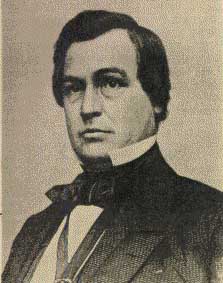
The greater Denver area was inhabited by several Indigenous peoples such as Apaches, Utes, Cheyennes, Comanches, and Arapahoes. By the terms of the 1851 Treaty of Fort Laramie between the United States and various tribes including the Cheyenne and Arapaho, the United States unilaterally defined and recognized Cheyenne and Arapaho territory as ranging from the North Platte River in present-day Wyoming and Nebraska southward to the Arkansas River in present-day Colorado and Kansas. This definition specifically encompasses the land of modern Metropolitan Denver. But the discovery in November 1858 of gold in the Rocky Mountains in Colorado (then part of the western Kansas Territory) brought on a gold rush and a consequent flood of white immigration across Cheyenne and Arapaho lands. Colorado territorial officials pressured federal authorities to redefine and reduce the extent of Indian treaty lands.
In the summer of 1858, during the Pike's Peak Gold Rush, a group of gold prospectors from Lawrence, Kansas, established Montana City as a mining town on the banks of the South Platte River in what was then western Kansas Territory, on traditional lands of Cheyenne and Arapaho. This was the first historical settlement in what later became the city of Denver. But the site faded quickly, and by the summer of 1859 it was abandoned in favor of Auraria (named after the gold-mining town of Auraria, Georgia) and St. Charles City.
On November 22, 1858, General William Larimer and Captain Jonathan Cox, both land speculators from eastern Kansas Territory, placed cottonwood logs to stake a claim on the bluff overlooking the confluence of the South Platte River and Cherry Creek, across the creek from the existing mining settlement of Auraria, and on the site of the existing townsite of St. Charles. Larimer named the townsite Denver City to curry favor with Kansas Territorial Governor James W. Denver. Larimer hoped the town's name would help it be selected as the county seat of Arapahoe County, but unbeknownst to him, Governor Denver had already resigned from office. The location was accessible to existing trails and was across the South Platte River from the site of seasonal encampments of the Cheyenne and Arapaho. The site of these first towns is now occupied by Confluence Park near downtown Denver. Edward W. Wynkoop came to Colorado in 1859 and became one of the city's founders. Wynkoop Street in Denver is named after him.
Geography

Denver is in the center of the Front Range Urban Corridor, between the Rocky Mountains to the west and the High Plains to the east. Its topography consists of plains in the city center with hilly areas to the north, west, and south. The city's downtown district is about 12 mi (19 km) east of the foothills of the Rockies. It is the only state capital in the United States that is a consolidated city-county. At the 2020 United States census, the City and County of Denver had an area of 99,025 acres (400.739 km2), including 1,057 acres (4.276 km2) of water. The City and County of Denver is surrounded by three other counties: Adams County to the north and east, Arapahoe County to the south and east, and Jefferson County to the west.
Denver's nickname is the "Mile-High City", as its official elevation is one mile (5,280 ft; 1,609 m) above sea level, defined by the elevation of the spot of a benchmark on the steps of the State Capitol building. The elevation of the entire city ranges from 5,130 to 5,690 feet (1,560 to 1,730 m).
Neighborhoods
The City and County of Denver has 78 official neighborhoods used for planning and administration. The system of neighborhood boundaries and names dates to 1970 when city planners divided the city into 73 groups of one to four census tracts, called "statistical neighborhoods", most of which are unchanged since then.
Unlike some other cities, such as Chicago, Denver does not have official larger area designations. Colloquially, names such as Northside and Westside are still in use, but not well-known. Community planners have recently been using a set of 19 larger areas, all of which are groups of statistical neighborhoods, as part of the Area Planning process.
Denver also has a number of colloquial neighborhood names and boundaries reflecting how people in an area, or others such as community groups and real estate developers, have defined areas. Well-known non-administrative neighborhoods include the historic and trendy LoDo (short for "Lower Downtown"), part of the city's Union Station neighborhood; Uptown, straddling North Capitol Hill and City Park West; Curtis Park and RiNo ("River North"), both part of the Five Points neighborhood; Alamo Placita, the northern part of the Speer neighborhood; Park Hill, a partially successful example of intentional racial integration (South Park Hill is less than 1% Black); and Golden Triangle, in the Civic Center.
Demographics

As of the 2020 census, the population of the City and County of Denver was 715,522, making it the 19th most populous U.S. city. The Denver–Aurora–Lakewood, CO Metropolitan Statistical Area had an estimated 2013 population of 2,697,476 and ranked as the 21st most populous U.S. metropolitan statistical area, and the larger Denver–Aurora–Boulder Combined Statistical Area had an estimated 2013 population of 3,277,309 and ranked as the 18th most populous U.S. metropolitan area. Denver is the most populous city within a radius centered in the city and of 550-mile (890 km) magnitude. Denverites is a term used for residents of Denver.
According to the 2020 census, the City and County of Denver contained 715,522 people and 301,501 households. The population density was 3,922.6 inhabitants per square mile (1,514.5 inhabitants/km2) including the airport. There were 338,341 housing units at an average density of 1,751 units per square mile (676 units/km2). However, the average density throughout most Denver neighborhoods tends to be higher. Without the 80249 zip code (47.3 sq mi, 8,407 residents) near the airport, the average density increases to around 5,470 per square mile.
2020 census
According to the 2020 United States census, the racial composition of Denver was as follows:
White: 60.6% (Non-Hispanic Whites: 54.3%)
Hispanic or Latino (of any race): 27.9%; Mexican Americans made up 20.3% of the city's population.
Asian: 3.9% (0.82% Vietnamese, 0.60% Chinese, 0.51% Indian, 0.33% Korean, 0.31% Filipino, 0.21% Japanese, 0.13% Burmese, 0.12% Nepalese, 0.11% Afghan, 0.09% Cambodian)
Native Hawaiian and Other Pacific Islander: 0.2%
Approximately 70.3% of the population (over five years old) spoke only English at home. An additional 23.5% of the population spoke Spanish at home. In terms of ancestry, 31.8% were Hispanic or Latino, 14.6% of the population were of German ancestry, 9.7% were of Irish ancestry, 8.9% were of English ancestry, and 4.0% were of Italian ancestry.
Economy
The Denver MSA had a gross metropolitan product of $311.9 billion in 2023, making it the 18th largest metro economy in the United States. Additionally, the 12-County Denver–Aurora, CO Combined Statistical Area had a GDP of $377.7 billion in 2023 while the broader Front Range had a GDP of $474.6 billion. Denver's economy is based partially on its geographic position and its connection to some of the country's major transportation systems. Because Denver is the largest city within 500 miles (800 km), it has become a natural location for storage and distribution of goods and services to the Mountain States, Southwest states, as well as all western states. Another benefit for distribution is that Denver is nearly equidistant from large cities of the Midwest, such as Chicago and St. Louis and some large cities of the West Coast, such as Los Angeles and San Francisco.
Over the years, the city has been home to other large corporations in the central United States, making Denver a key trade point for the country. Several well-known companies originated in or have relocated to Denver. William Ainsworth opened the Denver Instrument Company in 1895 to make analytical balances for gold assayers. Its factory is now in Arvada. Aimco is headquartered in Denver. Samsonite began in Denver in 1910 as Shwayder Trunk Manufacturing Company, but Samsonite closed its NE Denver factory in 2001, and moved its headquarters to Massachusetts after a change of ownership in 2006. Qwest Corporation, founded in Denver in 1911 as Mountain States Telephone & Telegraph Company, is now a part of Lumen Technologies (previously CenturyLink).
On October 31, 1937, Continental Airlines, now United Airlines, moved its headquarters to Stapleton Airport in Denver, Colorado (before United Airlines later moved to its current home in Chicago). Robert F. Six arranged to have the headquarters moved to Denver from El Paso, Texas because Six believed that the airline should have its headquarters in a large city with a potential base of customers. Continental later moved to Houston from Denver, but merged with United Airlines in 2013. Throughout that time, the company held a large employee base in the Denver area, which is home to the United Airlines Flight Training Center in the Central Park neighborhood. MediaNews Group purchased the Denver Post in 1987; the company is based in Denver. The Gates Corporation, the world's largest producer of automotive belts and hoses, was established in S. Denver in 1919. Russell Stover Candies made its first chocolate candy in Denver in 1923, but moved to Kansas City in 1969. The original Frontier Airlines began operations at Denver's old Stapleton International Airport in 1950; Frontier was reincarnated at DIA in 1994.
Culture

Apollo Hall opened soon after the city's founding in 1859 and staged many plays for eager settlers. In the 1880s Horace Tabor built Denver's first opera house. After the start of the 20th century, city leaders embarked on a city beautification program that created many of the city's parks, parkways, museums, and the Municipal Auditorium, which was home to the 1908 Democratic National Convention and is now known as the Ellie Caulkins Opera House. Denver and the metropolitan areas around it continued to support culture.
In July 1982, Denver hosted the World Theatre Festival at the Denver Center for Performing Arts, which comprised a program of 114 performances of 18 plays, by theatre companies from 13 countries, across 25 days.
In 1988, voters in the Denver Metropolitan Area approved the Scientific and Cultural Facilities Tax (commonly known as SCFD), a 0.1% (1 cent per $10) sales tax that contributes money to various cultural and scientific facilities and organizations throughout the Metro area. The tax was renewed by voters in 1994 and 2004 and allowed the SCFD to operate until 2018. Ballot issue 4B in 2016 won approval 62.8 percent to 37.2 percent, by Denver metro area voters, to extend the SCFD sales tax until 2030.
Denver is home to a wide array of museums. Many are nationally recognized, including a new wing for the Denver Art Museum by architect Daniel Libeskind, the nation's second-largest Performing Arts Center after Lincoln Center in New York City, and bustling neighborhoods such as LoDo, filled with art galleries, restaurants, bars and clubs. Its neighborhoods also continue their influx of diverse people and businesses while the city's cultural institutions grow and prosper. The city acquired the estate of abstract expressionist painter Clyfford Still in 2004 and built a museum to exhibit his works near the Denver Art Museum. The Denver Museum of Nature and Science holds an aquamarine specimen valued at over $1 million, as well as specimens of the state mineral, rhodochrosite. Every September the Denver Mart, at 451 E. 58th Avenue, hosts a gem and mineral show. The state history museum, History Colorado Center, opened in April 2012. It features hands-on and interactive exhibits, artifacts and programs about Colorado history. It was named in 2013 by True West Magazine as one of the top-ten "must see" history museums in the country. History Colorado's Byers-Evans House Museum and the Molly Brown House are nearby.
Sports

Denver is home to a variety of sports teams and is one of 12 U.S. cities with teams from four major league sports (the Denver metro area is the smallest metropolitan area in the country to have a team in all four major sports leagues). Including Major League Soccer, it is also one of 10 U.S. cities to have five major sports teams.
The Denver Broncos of the National Football League have drawn crowds of over 70,000 since their origins in the early 1960s, and continue to draw fans today to their current home Empower Field at Mile High. The Broncos have sold out every home game (except for strike-replacement games) since 1970. The Broncos have advanced to eight Super Bowls and won back-to-back titles in 1997 and 1998, and won again in 2015. The team plans to build a new stadium in the Burnham Yard south of the Metropolitan State University of Denver campus by 2031. The Colorado Rockies were created as an expansion franchise in 1993 and have played at Coors Field since it opened in 1995. The Rockies advanced to the playoffs that year but were eliminated in the first round. In 2007, they advanced to the playoffs as a wild-card entrant and made it to the World Series for the first time but lost to the Boston Red Sox.
Denver has been home to two National Hockey League teams. The Colorado Rockies played from 1976 to 1982, but later moved to the New York metropolitan area to become the New Jersey Devils. The Colorado Avalanche joined in 1995, after relocating from Quebec City. While in Denver, they have won three Stanley Cups in 1996, 2001, and 2022. The Denver Nuggets joined the American Basketball Association in 1967 and the National Basketball Association in 1976. The Nuggets won their first NBA championship in 2023. The Avalanche and Nuggets have both played at Ball Arena (formerly known as Pepsi Center) since 1999. The Major League Soccer team Colorado Rapids play in Dick's Sporting Goods Park, an 18,000-seat soccer-specific stadium opened for the 2007 MLS season in the Denver suburb of Commerce City. The Rapids won the MLS Cup in 2010.
Parks and recreation

As of 2006, Denver had over 200 parks, from small pocket parks all over the city to the giant 314-acre (1.27 km2) City Park. Denver also has 29 recreation centers providing places and programming for resident's recreation and relaxation.
Many of Denver's parks were acquired from state lands in the late 19th and early 20th centuries. This coincided with the City Beautiful movement, and Denver mayor Robert Speer (1904–12 and 1916–18) set out to expand and beautify the city's parks. Reinhard Schuetze was the city's first landscape architect, and he brought his German-educated landscaping genius to Washington Park, Cheesman Park, and City Park among others. Speer used Schuetze as well as other landscape architects such as Frederick Law Olmsted Jr. and Saco Rienk DeBoer to design not only parks such as Civic Center Park, but many city parkways and tree-lawns. Cheesman Park neighbor the Denver Botanic Gardens displays the beauty and versatility of micro-climates within the semi-arid Denver Basin. All of these parks were fed with South Platte River water diverted through the city ditch.
In addition to the parks within Denver, the city acquired land for mountain parks starting in the 1910s. Over the years, Denver has acquired, built and maintained approximately 14,000 acres (57 km2) of mountain parks, including Red Rocks Park, which is known for its scenery and musical history revolving around the unique Red Rocks Amphitheatre. Denver also owns the mountain on which the Winter Park Resort ski area operates in Grand County, 67 miles (110 km) west of Denver. City parks are important places for Denverites and visitors, inciting controversy with every change. Denver continues to grow its park system with the development of many new parks along the Platte River through the city, and with Central Park and Bluff Lake Nature Center in the Central Park neighborhood redevelopment. All of these parks are important gathering places for residents and allow what was once a dry plain to be lush, active, and green. Denver is also home to a large network of public community gardens, most of which are managed by Denver Urban Gardens, a non-profit organization.
Government

Denver is a consolidated city-county with a mayor elected on a nonpartisan ballot, a 13-member city council, and an auditor. The Denver City Council is elected from 11 districts with two at-large council members and is responsible for passing and changing all laws, resolutions, and ordinances, usually after a public hearing. The city council can also call for misconduct investigations of Denver's departmental officials. All elected officials have four-year terms, with a maximum of three terms. The current mayor is Mike Johnston.
Denver has a strong mayor/weak city council government. The mayor can approve or veto any ordinances or resolutions approved by the council, makes sure all contracts with the city are kept and performed, signs all bonds and contracts, is responsible for the city budget, and can appoint people to various city departments, organizations, and commissions. The council can override the mayor's veto with a nine votes. The city budget must be approved and can be changed by a simple majority vote of the council. The auditor checks all expenditures and may refuse to allow specific ones, usually for financial reasons.
The Denver Department of Safety oversees three branches: the Denver Police Department, Denver Fire Department, and Denver Sheriff Department. The Denver County Court is an integrated Colorado County Court and Municipal Court and is managed by Denver instead of the state.
Politics
While Denver elections are nonpartisan, Democrats have long dominated the city's politics; most citywide officials are known to be registered with the Democratic Party. The mayor's office has been occupied by a Democrat since the 1963 municipal election. All the city's seats in the state legislature are held by Democrats.
In statewide elections, the city also tends to favor Democrats, though Republicans were occasionally competitive until the turn of the millennium. The last Republican to win Denver in a gubernatorial election was John A. Love in 1970 by a narrow majority. Bill Owens in 2002 remains the last Republican governor to receive at least 40% of Denver's vote. The last Republican Senator to carry Denver was William L. Armstrong during his 1984 landslide. The last statewide Republican officeholder to carry Denver was Secretary of State Victoria Buckley in 1994 by 1.2% margin; she was, at the time, the highest ranking African-American Republican woman in the United States.
Education

Denver Public Schools (DPS) is the public school system in all of Denver. It educates approximately 92,000 students in 92 elementary schools, 44 K-8 schools, 34 middle schools, 18 high schools, and 19 charter schools. The first school of what is now DPS was a log cabin that opened in 1859, which later became East High School. East High School, along with the other three directional high schools (West, North, and South), made up the first four high schools in Denver. The district boundaries are coextensive with the city limits. The Cherry Creek School District serves some areas with Denver postal addresses that are outside the city limits.
Denver's many colleges and universities range in age and study programs. Three major public schools constitute the Auraria Campus: the University of Colorado Denver, Metropolitan State University of Denver, and Community College of Denver. The private University of Denver was the first institution of higher learning in the city and was founded in 1864. Other prominent Denver higher education institutions include Johnson & Wales University, Catholic (Jesuit) Regis University, and the city has Roman Catholic and Jewish institutions, as well as a health sciences school. In addition to those schools within the city, there are a number of schools throughout the surrounding metro area.
Media
The Denver metropolitan area is served by a variety of media outlets in print, radio, television, and the Internet.
Television stations
Denver is the 16th-largest market in the country for television, according to the 2009–2010 rankings from Nielsen Media Research.
KWGN-TV, channel 2, a CW O&O station owned by Nexstar Media Group, who also owns Fox affiliate KDVR 31. KWGN is run by KDVR management and is Colorado's first TV station, on the air since July 1952.
KCDO-TV, channel 3, an independent station owned by the E. W. Scripps Company, who also own KMGH-TV as part of a duopoly.
KRMA-TV, channel 6, the flagship of Rocky Mountain PBS, a state network of five public TV stations throughout Colorado.
KMGH-TV, channel 7, an ABC affiliate owned by the E. W. Scripps Company, previously owned by the McGraw-Hill company for 40 years prior to 2012. The station is part of a duopoly with KCDO-TV.
KUSA-TV, channel 9, an NBC affiliate owned by Tegna, who also owns KTVD 20, a MyNetworkTV affiliate.
KBDI-TV, channel 12, a secondary PBS member station.
KDEN-TV, channel 25, a Telemundo O&O station.
KTFD-TV, channel 50, a UniMás affiliate.
KETD, channel 53, an Estrella TV O&O station.
Radio stations
Denver is also served by over 40 AM and FM radio stations, covering a wide variety of formats and styles. Denver–Boulder radio is the No. 19 market in the United States, according to the Spring 2011 Arbitron ranking (up from No. 20 in Fall 2009). For a list of Denver radio stations, see List of radio stations in Colorado.
After continued rivalry between Denver's two main newspapers, The Denver Post and the Rocky Mountain News, the papers merged operations in 2001 under a joint operating agreement that formed the Denver Newspaper Agency. This arrangement lasted until February 2009 when the E. W. Scripps Company, the owner of the Rocky Mountain News, closed the paper. There are also several alternative or localized newspapers published in Denver, including the Westword, Law Week Colorado, Out Front Colorado, and the Intermountain Jewish News. Denver is home to multiple regional magazines such as 5280, which takes its name from the city's mile-high elevation (5,280 feet or 1,609 meters). The Colorado Times News is a Korean-language publication based in Denver.
Transportation

City streets
Most of Denver has a straightforward street grid oriented to the four cardinal directions. Blocks are usually identified in hundreds from the median streets, identified as "00", which are Broadway (the east–west median, running north–south) and Ellsworth Avenue (the north–south median, running east–west). Colfax Avenue, a major east–west artery through Denver, is 15 blocks (1500) north of the median. Avenues north of Ellsworth are numbered (with the exception of Colfax Avenue and several others, such as Martin Luther King, Jr. Blvd and Montview Blvd.), while avenues south of Ellsworth are named.
There is also an older downtown grid system that was designed to be parallel to the confluence of the South Platte River and Cherry Creek. Most of the streets downtown and in LoDo run northeast–southwest and northwest–southeast. This system has an unplanned benefit for snow removal; if the streets were in a normal N–S/E–W grid, only the N–S streets would receive sunlight. With the grid oriented to the diagonal directions, the NW–SE streets receive sunlight to melt snow in the morning and the NE–SW streets receive it in the afternoon. This idea was from Henry Brown the founder of the Brown Palace Hotel. There is now a plaque across the street from the Brown Palace Hotel that honors this idea. The NW–SE streets are numbered, while the NE–SW streets are named. The named streets start at the intersection of Colfax Avenue and Broadway with the block-long Cheyenne Place. The numbered streets start underneath the Colfax and I-25 viaducts. There are 27 named and 44 numbered streets on this grid. There are also a few vestiges of the old grid system in the normal grid, such as Park Avenue, Morrison Road, and Speer Boulevard. Larimer Street, named after William Larimer Jr., the founder of Denver, which is in the heart of LoDo, is the oldest street in Denver.
Twin towns – sister cities
Denver's relationship with Brest, France, began in 1948, making it the second-oldest sister city in the United States. In 1947, Amanda Knecht, a teacher at East High School, visited World War II–ravaged Brest. When she returned, she shared her experiences in the city with her students, and her class raised $32,000 to help rebuild the children's wing of Brest's hospital. The gift led to the development of the sister city program with Brest. There were serious efforts in the early 2000s, in both Denver and Sochi, Russian Federation, to establish sister-city ties, but the negotiations did not come to fruition.
Since then, Denver has established relationships with additional sister cities:
Kaynak: Wikipedia – Denver · CC BY-SA 4.0