

City of Paris (Ville de Paris)
Government administration · France · 0 followers
Interested in working with us in the future?
Follow to see new jobs and posts in your feed.
About
The City of Paris is the local authority of the French capital. Its seat is the Hôtel de Ville on the Place de l’Hôtel de Ville in the 4th arrondissement. The city’s single information number, 3975, answers residents’ questions on procedures and city services; there are 17 arrondissement town halls (mairies d’arrondissement).
No news yet.
Departments & Services
- Maison départementale des personnes handicapées de Paris (MDPH)
- Conservatoires de la Ville de Paris
- Paris Musées, les Musées de la Ville de Paris
- Les Cours d'Adultes de Paris
- Crèches, petite enfance
- Les centres de loisirs
- Police municipale
- La Fabrique de la Solidarité
- Direction de l’Attractivité et de l’Emploi

Géographie

Localisation
Paris se situe au cœur du Bassin parisien, un vaste bassin sédimentaire aux sols fertiles et au climat tempéré, sur une boucle de la Seine, entre les confluents de celle-ci avec la Marne et l'Oise.
Après le redécoupage territorial de la région Île-de-France en 1968, les départements limitrophes sont les Hauts-de-Seine, la Seine-Saint-Denis et le Val-de-Marne.
Selon la géographie des régions naturelles de France, la ville de Paris se situe entre le pays de France (rive droite) et le Hurepoix (rive gauche), la Seine correspondant à la limite entre les deux régions.
Topographie
Au milieu du Bassin parisien, deux îles sur la Seine constituent le cœur historique de Paris : l'île Saint-Louis, la plus à l'est et l'île de la Cité, la plus à l'ouest. La ville s'étend de part et d'autre du fleuve, sur une superficie environ deux fois supérieure au nord, sur la rive droite, à celle au sud, sur la rive gauche.
Paris intra-muros, délimité de fait en 1844 par l'enceinte de Thiers, puis administrativement en 1860 par l'annexion de communes ou de leurs quartiers, est aujourd'hui séparé de ses communes limitrophes par une frontière artificielle, le Boulevard périphérique, voie rapide urbaine de 35 km. Les accès routiers se font par les portes de Paris ou par les routes et autoroutes qui rejoignent cette rocade, dont la couverture progressive permet de mieux ouvrir Paris à son agglomération.
Au-delà de l'enceinte de Thiers, deux grands espaces boisés ont été aménagés par le baron Haussmann, préfet de la Seine de 1853 à 1870, sur des communes voisines, avant d'être rattachés à Paris en 1929 : à l'ouest, le bois de Boulogne (846 hectares, 16e arrondissement) et à l'est, le bois de Vincennes (995 hectares, 12e arrondissement), ce qui porte le périmètre de la ville à 54,74 km. Paris s'étend également sur l'héliport (15e arrondissement). Plus anecdotique, depuis 1864, la ville de Paris est propriétaire du domaine entourant les sources de la Seine, à 231 km de la ville.
Urbanisme

Morphologie urbaine
La plupart des souverains français depuis le Moyen Âge ont tenu à laisser leur marque sur une ville qui n'a jamais été détruite, contrairement à Londres (grand incendie de 1666), Lisbonne (tremblement de terre de 1755) ou Berlin (combats de la Seconde Guerre mondiale). Tout en conservant l'empreinte du passé le plus ancien dans le tracé de certaines rues, Paris a élaboré au cours des siècles un style homogène et a su moderniser ses infrastructures.
Jusqu'au Moyen Âge, la ville était composée d'une dizaine d'îles ou bancs de sable dans la Seine ; il en subsiste trois : l'île Saint-Louis, l'île de la Cité et l'île aux Cygnes.
L'organisation actuelle de la ville doit beaucoup aux travaux d'Haussmann, sous le Second Empire. Il a fait percer la plupart des voies les plus fréquentées aujourd'hui (Boulevard Saint-Germain, Boulevard de Sébastopol, etc.). On associe souvent Paris à l'alignement d'immeubles de hauteur égale le long d'avenues bordées d'arbres, aux façades rythmées par les ornements du deuxième étage et le balcon filant du cinquième étage. Le centre de Paris se distingue de celui de beaucoup d'autres grandes villes occidentales par la densité de sa population.
Depuis l'édit du grand voyer de France de 1607 réglementant les saillies sur voie, il existe des règles strictes d'urbanisme à Paris, en particulier des limites de hauteur et de densité des immeubles. Aujourd'hui, les nouveaux bâtiments de plus de trente-sept mètres, hauteur maximale admise entre 1974 et 2010, sont autorisés jusqu'à 50 m voire 180 m seulement dans quelques quartiers périphériques ; la limite de hauteur est encore moins élevée dans de nombreux quartiers centraux. La tour Montparnasse (210 m) était depuis 1973 le plus haut immeuble de Paris et de France, jusqu'à l'exhaussement à 231 m de la tour First en 2011, dans le quartier de la Défense, à Courbevoie. Les gratte-ciels se multiplient en proche banlieue, en particulier dans le quartier de La Défense, où plusieurs bâtiments sont en cours de construction, dont certains frôlant les 250 m de hauteur.
Toponymie
Le nom de la cité est attesté pour la première fois par Jules César, au milieu du Ier siècle av. J.-C., dans La Guerre des Gaules, sous la forme Lutecia ou Lutetia (selon les manuscrits). On trouve ensuite Lutetia apud Parisios au IVe siècle (Parisios étant à l'accusatif pluriel) ; puis Parisios [usque] en 400 - 410, et enfin Paris, attestée dès 887.
Le mot Paris est issu du nom du peuple gaulois des Parisii (au datif locatif pluriel : Parisiis), dont Paris était la capitale à l'époque gallo-romaine. La première désignation Lutetia (Lutèce) a été remplacée au IVe siècle, suivant un processus général observé dans la Gaule du Bas-Empire pour les capitales de civitas (cités gallo-romaines) : celles-ci furent d'abord appelées de leur nom originel complété du nom du peuple dont elles étaient la capitale, comme Lutecia des Parisii en l'occurrence. Puis le nom du peuple au datif locatif est seul resté, le nom signifiant alors chez les Parisii (voir entre autres Angers capitale des Andécaves, Tours des Turones, Évreux des Éburovices, Saintes des Santons, Poitiers des Pictons, Amiens des Ambiens, etc., qui sont toutes dans le même cas).
Selon Pierre-Henry Billy, Lutetia pourrait être issu du gaulois *luta, boue, avec le suffixe -etia, ce qui correspond très bien à la nature du terrain décrit par César dans la Guerre des Gaules (existence d'un marais permanent qui déversait ses eaux dans la Seine). Quant à l'étymologie de l'ethnonyme Parisii, elle n'est pas connue avec certitude. Il pourrait provenir du gaulois *pario, chaudron (cf. le provençal pairol de même sens), signifiant alors « Ceux du chaudron », avec une référence mythique et sacrée (thème celtique du chaudron d'abondance représentant la survie dans l'Au-delà et les richesses de l'Autre Monde).
Les Parisii ont donné leur nom à Paris, ainsi qu'au pays du Parisis (maintenant « pays de France »), qui subsiste dans Villeparisis, Cormeilles-en-Parisis, Fontenay-en-Parisis. On trouvait également des gaulois de la même tribu des Parisii en Angleterre, dans l'actuel Yorkshire de l'Est.
Histoire

Préhistoire et Antiquité
Un habitat permanent est attesté dans les limites du Paris actuel à partir de la période chasséenne (entre 4 000 et 3 800 avant notre ère) au village de Bercy ; les restes de trois pirogues néolithiques aujourd'hui visibles au musée Carnavalet ont ainsi été retrouvés sur la rive gauche d'un ancien bras de la Seine dans le 12e arrondissement, où la présence humaine semble avoir été continue durant le Néolithique.
Un oppidum semble avoir existé sur l'île de la Cité avant l'époque gallo-romaine, confirmé par la découverte de traces archéologiques datées entre 200 av. J.-C. et 10 av. J.-C. Il aurait été bâti par les Parisii, le peuple gaulois installé dans cette région au moment de la conquête romaine. Les archéologues imaginent que ce site fortifié, de petite taille, aurait pu être le centre d'une ville « polynucléaire » plus vaste, comprenant d'autres installations sur l'île Saint-Louis, la rive gauche et le site de Nanterre, où a été découverte en 2003 une importante agglomération ordonnée. L'établissement d'une véritable cité centralisée daterait toutefois de la période gallo-romaine, après la défaite des Parisii face aux armées de Jules César en 52 av. J.-C. : celle-ci est alors nommée Lutetia (Lutèce), et s'étend sur la rive gauche et sur l’île de la Cité.
À l'époque gallo-romaine, Lutèce n'est qu'une cité relativement modeste du monde romain avec une population de l'ordre de dix mille habitants à son apogée ; en comparaison, Lugdunum (Lyon), capitale des trois Gaules (dont la lyonnaise qui englobe la région de Lutèce), aurait compté, au IIe siècle, de 50 000 à 80 000 habitants. Elle connait toutefois une certaine prospérité grâce au trafic fluvial. Suivant la tradition, la cité aurait été christianisée par saint Denis, martyrisé vers 250. Un concile réunissant les évêques gaulois se tient à Paris en 361 sous la présidence de Hilaire de Poitiers.
Politique et administration

Statut et organisation administrative
Après avoir été à la fois commune et département, Paris est depuis le 1er janvier 2019 une collectivité à statut particulier qui exerce les compétences d'une commune et d'un département. Elle est divisée en arrondissements, comme les villes de Lyon et de Marseille, au nombre de vingt (les quatre premiers formant un secteur unique). Elle est également la collectivité centrale de la métropole du Grand Paris, créée en 2016.
Le préfet de la région Île-de-France est également préfet de Paris et l'État dispose à Paris d'administrations de niveau départemental. Toutefois, le domaine de la sécurité, pour lequel l'État dispose de prérogatives particulières, est du ressort du préfet de police de Paris. Les pouvoirs de police administrative sont partagés entre le maire de Paris et le préfet de police qui se prêtent réciproquement leurs moyens d'action à cet effet. Ce dernier peut siéger au conseil de Paris et doit lui soumettre chaque année son budget et son compte (bien que ce budget reste décidé par l'État). Le maire de Paris est impliqué dans la politique de sécurité même si les pouvoirs en ce domaine restent entre les mains du préfet de police.
Historique
Le statut de la ville de Paris a changé plusieurs fois.
Lors de son extension territoriale de 1860, Paris est divisée en vingt arrondissements municipaux, en remplacement des douze arrondissements qui existaient depuis le 11 octobre 1795, et en dix-huit circonscriptions électorales.
Du 26 mars au 22 mai 1871, Paris fut le siège d'un pouvoir insurrectionnel, la Commune de Paris, avec une assemblée démocratiquement élue. La Troisième République fut dirigée au début par des conservateurs effrayés par cet épisode. Ceux-ci édictèrent la loi du 5 avril 1884, qui donnait le pouvoir exécutif au préfet de la Seine et les pouvoirs de police au préfet de police. Le conseil de Paris, élu lors des élections municipales, désignait chaque année un président dont la fonction était principalement représentative. Paris n'avait alors pas de maire. Le budget de la ville devait être approuvé par l'État.
Une ville internationale

Paris joue un rôle culturel, diplomatique, politique, militaire et économique de tout premier plan dans l'histoire de l'Europe et du monde depuis le Moyen Âge. À cette époque elle est l'un des principaux foyers intellectuels du monde. Aux XVIIe et XVIIIe siècles, la France est la principale puissance européenne et donc mondiale. Du XVIe au XXe siècle, elle est la capitale de l'empire colonial français et de 1804 à 1814 elle est la capitale du Premier Empire.
En 2015, elle est élue la ville la plus admirée au monde.
Diplomatie, armée
Sur le plan diplomatique, des événements internationaux s'y déroulent régulièrement, par exemple en 1948 y a été adoptée la Déclaration universelle des droits de l'homme, en 2008 y a été fondée l'Union pour la Méditerranée, en 2011 la Palestine y devient membre de l'UNESCO, en 2015 y a été adopté l'Accord de Paris sur le climat, en 2017 s'y est tenu le One Planet Summit et en 2018 un sommet sur la Libye, en 2019 s'y est tenue la conférence internationale pour la paix et la solidarité, le sommet sur l'état de la biodiversité mondiale, une rencontre sur la guerre russo-ukrainienne, le 11 janvier 2021 s'y est tenu un nouveau One Planet Summit, le 17 mai 2021 une conférence internationale pour le Soudan, le 12 novembre 2021 une conférence internationale sur la Libye, le 13 décembre 2022 une conférence internationale sur la résilience des ukrainiens.
Paris est ainsi la capitale diplomatique de la France, qui, selon une étude américaine, serait devenue depuis 2017 le pays le plus influent au monde.
Le forum de Paris sur la paix, événement international portant sur les questions de gouvernance mondiale et de multilatéralisme créé en 2018 par Emmanuel Macron, président de la République française, se tient tous les ans à Paris.
En tant que capitale de la France, elle est également au cœur de l'histoire de l'Union européenne.
Population et société

Démographie
Paris intra-muros, d’une superficie de 105 km2, compte 2 103 778 habitants au 1er janvier 2023, est la commune la plus peuplée de France. Son aire d'attraction, qui s'étend aujourd'hui sur 18 941 km2 et 1 929 communes, compte quant à elle 13 064 617 habitants au 1er janvier 2018, constituant ainsi l'aire d'attraction la plus peuplée de France et de l'Union européenne.
Évolution du nombre d'habitants
Depuis 2004, les recensements des communes de plus de 10 000 habitants ont lieu au moyen d'enquêtes annuelles par sondage.
Nombre d'habitants de l'agglomération et de l'aire d'attraction
Au 1er janvier 2021, l'agglomération définie par l'Insee comprend 411 communes et totalise 10 890 751 habitants. C'est la deuxième agglomération européenne, derrière Moscou et devant Londres, et la 25e du monde en 2014, selon l'ONU. Son aire d'attraction, incluant des communes situées dans une zone d'influence forte de la ville, comprend 1 929 communes et atteint 13 125 142 habitants au 1er janvier 2020, ce qui en fait la 29e aire urbaine du monde environ et l'une des trois plus grandes d'Europe avec Moscou et Istanbul.
Immigration
Les recensements français, comme l'impose la législation, ne posent aucune question concernant l'appartenance ethnique ou religieuse mais recueillent des informations au sujet du lieu de naissance. Il est ainsi possible de déterminer que l'aire d'attraction de Paris est une des plus multiculturelles en Europe. Au recensement de 2018, 24,9 % de la population totale de l'Île-de-France était née hors de France métropolitaine (contre 22,6 % en 2008 et 19,7 % en 1999). Au recensement de 1999, 4,2 % de la population de l'aire urbaine de Paris était constituée d'immigrés récents (arrivés en France dans les cinq années précédant 1999), dans leur majorité de Chine et du continent africain. Par ailleurs, la zone métropolitaine de Paris compte également 15 % de musulmans.
La première vague massive d'immigration vers Paris commence vers 1820 avec l'arrivée des paysans allemands fuyant la crise agricole et « ouverts » à la France depuis la présence outre-Rhin des armées révolutionnaires et napoléoniennes. Plusieurs autres vagues migratoires ont ensuite suivi sans interruption jusqu'à nos jours : Italiens et Juifs d'Europe centrale pendant le XIXe siècle, Russes après la révolution de 1917, habitants des colonies françaises pendant la Première Guerre mondiale, Polonais entre les deux guerres mondiales, Espagnols, Italiens, Portugais et Maghrébins des années 1950 aux années 1970, Juifs séfarades après l'indépendance des pays d'Afrique du Nord, Africains et Asiatiques depuis lors.
Économie

Poids économique
Avec un produit intérieur brut (PIB) de 709 milliards d'euros (811 milliards de dollars) en 2019 soit un peu plus de 30 % du PIB, la région parisienne est une des plus riches d'Europe : si elle était un pays, elle serait la dix-huitième plus grande économie de la planète, produisant plus de richesses que la Suisse et la Turquie
La ville est, avec sa banlieue, la capitale économique et commerciale de la France, ainsi que sa première place financière et boursière. Elle a par exemple accueilli en 2019 l'Autorité bancaire européenne en vue du retrait du Royaume-Uni de l'Union européenne.
En 2017, la région parisienne est la dixième région la plus riche d'Europe avec un produit intérieur brut par habitant de 58 300 € contre 62 800 € pour le Grand Londres et 92 600 € pour le Luxembourg. Avec un produit intérieur brut (PIB) de 649 milliards d'euros en 2014 elle est un acteur économique européen majeur.
En 2018, Paris est, d'après l'OCDE, la plus grosse économie métropolitaine du continent européen devant Londres, avec un PIB de 901 milliards de dollars. La région parisienne accueille plus d'institutions internationales et de sièges sociaux de très grandes entreprises que New York et que Londres. Paris est la ville la plus chère du monde en 2018, en 2019, en 2020 et deuxième en 2021 derrière Tel-Aviv.
Paris, comme le reste de l'Île-de-France mais de façon plus marquée encore, est plus riche et plus tertiarisée que la moyenne française. L'agglomération parisienne est par ailleurs moins spécialisée économiquement que d'autres grands centres économiques mondiaux, notamment que Londres qui est particulièrement dynamique dans le secteur financier.
En 2007, le journaliste Éric Le Boucher estimait que l'Île-de-France connaît un déclin économique et des pertes d’emplois : « aucune région-capitale au monde ne perd ses emplois comme celle de Paris, aveuglée par son passé brillant, mal gouvernée, fragmentée dans ses égoïsmes, anémiée faute de s'inscrire résolument dans la compétition mondiale des métropoles du XXIe siècle ». Les mêmes inquiétudes sont relayées par l'architecte Jean Nouvel qui estime impératif que Paris évolue, « sous peine de devenir une ville musée ».
Culture et patrimoine

Monuments et lieux touristiques
Le « tourisme », dans le sens moderne du terme, n'a pris d'ampleur qu'à la suite de l'apparition du chemin de fer, au cours des années 1840. Une des premières attractions fut, dès 1855, la série d'expositions universelles, autant d'occasions d'édifier à Paris de nombreux nouveaux monuments, dont le plus célèbre est la tour Eiffel, érigée pour l'Exposition de 1889. Ceux-ci, en plus des embellissements apportés à la capitale sous le Second Empire, ont largement contribué à faire de la ville elle-même l'attraction qu'elle est devenue.
Paris compte plus de 1 800 immeubles classés ou inscrits à l'inventaire des monuments historiques, dont près de cent lieux de culte. Les monuments les plus célèbres de Paris datent d'époques variées. Ils se trouvent souvent dans le centre et sur les rives de la Seine. Les quais de Seine du viaduc d'Austerlitz au pont de Bir-Hakeim constituent l'un des plus beaux paysages fluviaux urbains et sont d'ailleurs classés à l'inventaire du patrimoine mondial de l'UNESCO. On y trouve notamment, d'est en ouest : le Jardin des plantes, la cathédrale Notre-Dame de Paris, le palais de la Cité, le palais du Louvre, l'hôtel des Invalides, le pont Alexandre-III, le Grand Palais, le palais de Tokyo, le musée du quai Branly - Jacques-Chirac, la tour Eiffel et le Trocadéro. Plus à l'est, d'importants édifices contemporains ont été construits : le ministère de l'Économie et des Finances, le site François-Mitterrand de la Bibliothèque nationale de France, etc.
On trouve sur l'île de la Cité des monuments anciens emblématiques. La cathédrale Notre-Dame, de style gothique, principalement bâtie du XIIe siècle au XIIIe siècle, a été très restaurée au XIXe siècle et sa façade occidentale nettoyée à la fin du XXe siècle. Elle est symboliquement le noyau de Paris et les distances routières françaises sont mesurées à partir de son parvis. L'ancien palais de la Conciergerie fut le siège du pouvoir royal jusqu'au règne de Charles V, dans la seconde moitié du XIVe siècle. Une partie du bâtiment fut dès lors aménagée en prison et fut notamment le lieu de détention d'illustres personnalités de l'Ancien Régime avant leur exécution, lors de la Révolution française. La Sainte-Chapelle, construite à proximité de la Conciergerie, est considérée comme un chef-d'œuvre de l'architecture gothique. Le pont Neuf, à l'extrémité occidentale de l'île et datant de la fin du XVIe siècle, est le plus vieux pont de Paris en l'état.
Kaynak: Wikipedia – Paris · CC BY-SA 4.0
Tarihçe
Etimoloji
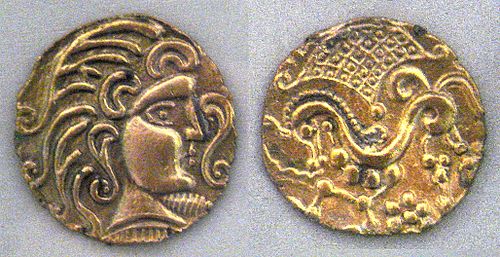
Paris adını Galya halklarından Parisi lerden almaktadır. "Paris" aslında Romalıların "Lutetia" yerine kullandıkları "Civitas Parisiorum" (Parisiilerin şehri) adının zamanla değişmesi sonucu oluşmuştur. Paris aynı zamanda şehrin etrafındaki yöreye de ("Parisis") verilen isim olmuştur. Cormeilles-en-Parisis ve Fontenay-en-Parisis gibi şehirlerin isimlerinde buna rastlanır. Bu adın kaynağı tam olarak bilinememektedir. Paris bölgesinde çokça bulunan taş ocaklarına istinaden Galce "kwar" (taş ocağı) kelimesinden geliyor olabilir. Başka etimolojilerde önerilmiştir. Pierre Hubac ve Cheikh Anta Diop'a göre, Parisiilerin adı Mısır tanrıçası İsis'ten gelmektedir çünkü Paris bölgesinde İsis'e adanmış birçok tapınak ya da Eski Mısır dilinde "per Isis" bulunmaktaydı. Bir efsane de Paris adını dalgalar altında kalıp denize batan efsanevi Ys şehriyle birlikte anar. Maurice Druon "Paris de César à Saint Louis" (Sezar'dan St.Louis'ye kadar Paris) adlı kitabında Paris adının Galce "par" (gemi) sözcüğünden geldiğini iddia eder. Şekli gemiye benzeyen, su üzerine kurulmuş, geçimini suya borçlu olan ve ismini de belki sudan almış olan bir şehir. Bir ada olan Lutèce'in refahı "gemiciler" tarafından sağlanıyordu ve bu gemicilerin sembolü olan gemi de şehir armasını oluşturmuştur.
Paris'in Tarih Öncesi Dönemleri
Seine nehri kıyılarında yapılan teraslama çalışmaları sırasında bulunan oyma taş el aletlerinin gösterdiği gibi Paris kent alanı yaklaşık 40.000 yıldır insanlar tarafından yerleşim alanı olarak kullanılmaktadır.
En önemli arkeolojik bulgular 12. bölge'de 1991 yılında ortaya çıkartılan Paris bölgesindeki en eski kalıcı insan yerleşimine ait kalıntılardır. Bercy'de yapılan altyapı çalışmaları sırasında MÖ 4.000 ile 3.800 yılları arasında avcılık dönemine ait Seine nehrinin eski kıyısında yerleşik bir köyün izlerine rastlanmıştır. Bu kalıntılar çok önemli arkeolojik değere sahip olan birçok tahtadan oyma kayık, topraktan çanak çömlek, ok ve yaylar, kemik ve taştan aletlerdi. Diğer buluşlar da 14. bölge ile 13. bölge arasındaki su kemerleridir. Aşıklar şehri olarak bilinir.
Coğrafya
Paris, kuzey orta Fransa'da, tepesi iki ada, Île Saint-Louis ve şehrin en eski bölümünü oluşturan daha büyük Île de la Cité içeren Sen Nehri'nin kuzeye kıvrılan bir yayında yer almaktadır. Nehrin İngiliz Kanalı'ndaki (La Manche) ağzı şehirden yaklaşık 233 mil (375 km) akış aşağısındadır. Şehir, nehrin her iki kıyısına da yayılmıştır. Genel olarak, şehir nispeten düzdür ve en alçak noktası deniz seviyesinden 35 m (115 ft) yüksekliktedir. Paris'in birkaç önemli tepesi vardır ve bunların en yükseği 130 m (427 ft) yüksekliğiyle Montmartre'dir.
Boulogne Ormanı ve Vincennes Ormanı'in dış parkları hariç, Paris, 35 km'lik (22 mil) çevre yolu Périphérique Bulvarı tarafından çevrelenen, yaklaşık 87 km2 (34 sq mi) alanda bir ovali kapsıyor. Kentin 1860'ta dış bölgelerin son büyük ilhakı, şehre sadece modern biçimini kazandırmakla kalmadı, aynı zamanda saat yönünde dönen 20 ilçeyi (belediye ilçeleri) yarattı. 1860 78 km² (30 sq mi) alandan, şehir sınırları 1920'lerde marjinal olarak 86.9 km²'ye (33,6 sq mi) genişletildi. 1929'da Bois de Boulogne ve Bois de Vincennes orman parkları resmen şehre ilhak edildi ve alanı yaklaşık 105 km²'ye ulaştı.
Notre Dame Katedrali'nin önündeki 'sıfır noktasından' ölçülen Paris, karayoluyla Londra'nın 450 kilometre (280 mil) güneydoğusunda, Calais'in 287 kilometre (178 mil) güneyinde, Brüksel'in 305 kilometre (190 mil) güneybatısındadır. Marsilya'nın 774 kilometre (481 mi) kuzeyinde, Nantes'in 385 kilometre (239 mi) kuzeydoğusunda ve Rouen'in 135 kilometre (84 mi) güneydoğusunda.
İklim
Paris, Kuzey Atlantik Akıntısından etkilenen tipik bir Batı Avrupa okyanusal iklimine (Köppen: Cfb) sahiptir. Yıl boyunca genel iklim ılıman ve orta derecede yağışlıdır. Yaz günleri, ortalama sıcaklıkları 15 ila 25 °C (59 ve 77 °F) ve yeterli miktarda güneş ışığı ile genellikle sıcaktır. Bununla birlikte, her yıl, sıcaklığın 32 °C'nin (90 °F) üzerine çıktığı birkaç gün vardır. Sıcaklıkların haftalarca 30 °C'yi (86 °F) aştığı, bazı günlerde 40 °C'ye (104 °F) ulaştığı ve geceleri nadiren soğuduğu 2003 ısı dalgası gibi daha uzun süreli daha yoğun ısı bazen meydana gelir. İlkbahar ve sonbaharda ortalama olarak ılıman günler ve taze geceler vardır, ancak bunlar değişken ve istikrarsızdır. Şaşırtıcı derecede sıcak veya soğuk hava her iki mevsimde de sıklıkla görülür. Kışın güneş ışığı azdır; günler serin ve geceler soğuk ama genellikle 3 °C (37 °F) civarında düşük sıcaklıklarla donma noktasının üzerindedir. Ancak hafif gece donları oldukça yaygındır, ancak sıcaklık nadiren -5 °C'nin (23 °F) altına düşer. Kar her yıl yağar, ancak nadiren yerde kalır. Şehir bazen birikmiş veya birikmemiş hafif kar veya sağanak yağışlar görür.
Ekonomi

Paris şehrinin ekonomisi büyük ölçüde hizmetlere ve ticarete dayanır; şehirdeki 390,480 işletmenin yüzde 80.6'sı ticaret, ulaşım ve çeşitli hizmetlerle uğraşırken, yüzde 6.5'i inşaatta ve sadece yüzde 3.8'i sanayide çalışır.
Hikâye Île-de-France (Paris Bölgesi) için de benzer: Girişimlerin yüzde 76.7'si ticaret ve hizmetlerle ve yüzde 3,4'ü sanayiyle uğraşır.
2012 nüfus sayımında, Paris Bölgesi'ndeki işlerin %59.5'i pazar hizmetlerindeydi (%12.0 toptan ve perakende ticarette, %9.7'si profesyonel, bilimsel ve teknik hizmetlerde, %6.5'i bilgi ve iletişimde, %6.5'i nakliye ve depolamada) finans ve sigortada %5.9, idari ve destek hizmetlerinde %5.8, konaklama ve yemek hizmetlerinde %4.6 ve diğer çeşitli piyasa hizmetlerinde %8.5), piyasa dışı hizmetlerde %26.9 (insan sağlığı ve sosyal hizmetlerde %10.4) faaliyetlerde, kamu yönetimi ve savunmada %9.6 ve eğitimde %6.9), imalatta ve kamu hizmetlerinde %8.2 (imalatta %6.6 ve kamu hizmetlerinde %1.5), inşaatta %5.2 ve tarımda %0.2.
Paris Bölgesi'nde 2010 yılında 5.4 milyon maaşlı çalışan vardı ve bunların 2.2 milyonu 39 "pôles d'emplois" veya iş bölgesinde yoğunlaşmıştı. Çalışan sayısı bakımından bunların en büyüğü, Fransızcada QCA veya “quartier Central des Affairs” olarak bilinir; Paris şehrinin batı kesiminde, 2., 8., 9., 16. ve 18. bölgelerdedir. 2010 yılında, 500,000 maaşlı çalışanın, Paris'teki maaşlı çalışanların yaklaşık yüzde 30'unun ve Île-de-France'dakilerin yüzde 10'unun işyeriydi. Merkezi iş bölgesindeki en büyük faaliyet sektörleri finans ve sigorta (bölgedeki çalışanların yüzde 16'sı) ve iş hizmetleri (yüzde 15) idi. Bölgede ayrıca çok sayıda mağaza, alışveriş alanı, otel ve restoranın yanı sıra devlet daireleri ve bakanlıklar bulunur.
İstihdam açısından en büyük ikinci iş bölgesi şehrin hemen batısında, 1990'larda birçok şirketin ofislerini kurduğu La Défense'dir. 2010 yılında yüzde 38'i finans ve sigorta, yüzde 16'sı iş destek hizmetlerinde çalışan 144,600 çalışanın işyeri oldu. Diğer iki önemli bölge, Neuilly-sur-Seine ve Levallois-Perret, Paris ticaret bölgesinin ve La Défense'nin uzantılarıdır. Boulogne-Billancourt, Issy-les-Moulineaux ve 15. bölgenin güney kısmı dahil olmak üzere başka bir bölge, medya ve bilgi teknolojisi için bir faaliyet merkezidir.
Din
Yirminci yüzyılın başında Paris, dünyanın en büyük Katolik şehriydi. Fransız nüfus sayımı verileri, dini mensubiyet hakkında bilgi içermiyor. Bir Fransız kamuoyu araştırma kuruluşu olan Institut français d'opinion publique (IFOP) tarafından 2011 yılında yapılan bir ankete göre, Paris Bölgesi (Île-de-France) sakinlerinin yüzde 61'i kendilerini Roma Katolik olarak tanımladı. Aynı ankette, sakinlerin yüzde 7'si kendilerini Müslüman, yüzde 4'ü Protestan, yüzde 2'si Yahudi ve yüzde 25'i dinsiz olarak tanımladı.
INSEE'ye göre, 4 ila 5 milyon Fransız vatandaşı, çoğunluğu Müslüman olan bir ülkede, özellikle Cezayir, Fas ve Tunus'ta doğdu veya en az bir ebeveyni doğdu. 2008'de yapılan bir IFOP araştırması, çoğunluğu Müslüman olan bu ülkelerden gelen göçmenlerin yüzde 25'inin düzenli olarak camiye gittiğini; Yüzde 41'i dini uyguladı ve yüzde 34'ü mümindi ama dini uygulamadı. 2012 ve 2013'te Paris şehrinde yaklaşık 500.000 Müslüman, Île-de-France bölgesinde 1,5 milyon ve Fransa'da 4 ila 5 milyon Müslüman olduğu tahmin ediliyordu.
Paris Bölgesi'nin Yahudi nüfusunun 2014'te, İsrail ve ABD dışındaki dünyadaki en büyük Yahudi konsantrasyonu olan 282.000 olduğu tahmin ediliyordu.
Eğitim

Paris, bilim ve teknoloji (Conservatoire national des arts et métiers, Institut polytechnique de Paris, Paris Şehir Üniversitesi, Paris-Saclay Üniversitesi, Sorbonne Üniversitesi), siyaset bilimi (Sciences Po), yönetim (HEC Paris, ESSEC Business School, ESCP Business School, INSEAD) ve ayrıca çeşitli disiplinlerdeki (PSL Research University) prestijli üniversitelere ev sahipliği yapmaktadır.
Turizm

Paris Mastercard'ın 2016 yılı verilerine göre yaklaşık 18 milyon turistle Avrupa'nın en çok ziyaret edilen 2. Dünya'nın ise en çok ziyaret edilen 3. şehri olmuştur. 2016 yılında turistler Paris'de yaklaşık 13 milyar Amerikan doları harcamıştır.
Notre Dame Katedrali
Meryem Ana'ya adanarak yapılan bu gotik katedral, Seine Nehri'nin ortasındaki Île de la Cité'nin doğu kısmında bulunur. Bu katedral Paris'in sembollerinden biri haline gelmiştir. 19. yüzyılın başlarında yıkılma kararı alınan katedralin kurtarılması için ünlü Fransız yazar Victor Hugo "Notre Dame'ın Kamburu" adlı romanı yazmıştır. Halkın da desteğiyle yıkılmaktan kurtulmuştur.
Louvre Müzesi
1793'te açılan ve müze yapılan bina aynı zamanda Fransa'nın ilk devlet müzesidir. Koleksiyonunda La liberté guidant le peuple, Mona Lisa, Winged Victory of Samothrace ve Venus de Milo gibi birçok eser görülebilir. Avrupa'nın ve Dünya'nın en büyük müzesi olarak bilinmektedir. Ayrıca, Avrupa'da en çok ziyaret edilen müzelerden biridir. Müzede, toplamda 70.000 sanat eseri yer almaktadır.
Église de la Madeleine
İnşasını Napoleon'un emrettiği kilise, Fransız Ordusu'nun ululuğuna ve görkemliliğine yaraşır bir zafer tapınağı olması için yapılmıştır. 1806'da Pierre-Alexandre Vignon tarafından tasarlanmıştır. Korint tarzı sütunlarla çevrelenmiş tapınak, Boubonlar'ın yönetimi ele geçirmesiyle Hristiyan kilisesine dönüştürülmüştür.
Champs-Élysées (Şanzelize)
Adını Yunan mitolojisinde cennet olarak gösterilen Elysion ovalarından almıştır. Paris'in en güzel caddesi olarak bilinir. Cadde, yukarı doğru çıkarsanız sizi Zafer Takı'na, aşağı doğru inerseniz sizi Concorde Meydanı'na çıkarır. Daha ileride ise Jardin des Tuileries ve Louvre Müzesi vardır.
Eyfel Kulesi
İsmini, inşa ettiren firma olan Gustave Eiffel'den alır. Kule tüm dünyaya kendini Fransa'nın sembolü olarak tanıtmıştır. Fransız Devrimi'nin kutlamaları için düzenlenen Paris fuarına kapı olarak yapılmıştır. Kule sadece 20 yıl kalması için inşa edilmişti. 1909'da yıkılması gereken kule Atlantik ötesi haberleşmeye imkân tanıdığından kalmasına izin verildi.
Altyapı

Taşıma
Paris, önemli bir demiryolu, karayolu ve hava taşımacılığı merkezidir. Île-de-France Mobilités (IDFM), eski adıyla Syndicat des transports d'Île-de-France (STIF) ve bundan önce Syndicat des transports parisiens (STP), bölgedeki toplu taşıma ağını denetler. Sendika toplu taşımayı koordine eder ve bunu RATP'ye (347 otobüs hattını, Metro'yu, sekiz tramvay hattını ve RER'nin bölümlerini işletir), SNCF'ye (banliyö raylarını, bir tramvay hattını ve şehrin diğer bölümlerini işletir) ihale eder. RER) ve 1.176 otobüs hattını yöneten özel operatörlerden oluşan Optile konsorsiyumu.
Elektrikli otomobil teşvikleri oluşturulurken bisiklet yolları iki katına çıkarılıyor. Fransa'nın başkenti, çevreyi en çok kirleten otomobilleri kilit bölgelerden yasaklıyor.
Metro, RER ve tramvay
1900 yılında ilk hattının hizmete girmesinden bu yana, Paris'in metro ağı büyüyerek şehrin en yaygın kullanılan yerel ulaşım sistemi haline geldi; bugün 16 hat, 308 istasyon (391 durak) ve 226,9 km (141,0 mi) ray ile günde yaklaşık 5,23 milyon yolcu taşıyor.
Hava
Paris, dünyanın en yoğun 5. havalimanı sistemine sahip büyük bir uluslararası hava taşımacılığı merkezidir. Şehre üç ticari uluslararası havaalanı hizmet vermektedir: Paris Charles de Gaulle Havalimanı, Paris-Orly Havalimanı ve Beauvais–Tillé Havaalanı. Bu üç havalimanı birlikte 2019'da 112 milyon yolcu trafiği kaydetti. Ayrıca bir genel havacılık havalimanı olan Paris-Le Bourget, tarihsel olarak Paris'in en eski ve şehir merkezine en yakın havalimanıdır ve şu anda sadece özel iş uçuşları ve hava gösterileri için kullanılmaktadır.
Paris'in güney banliyölerinde bulunan Orly Havalimanı, 1950'lerden 1980'lere kadar Paris'in ana havalimanı olarak Le Bourget'in yerini aldı. Paris'in kuzey banliyölerinin kenarında yer alan Charles de Gaulle Havalimanı, 1974'te ticari trafiğe açıldı ve 1993'te Paris'in en yoğun havalimanı oldu. 2017 yılı için dünyanın en yoğun 5. havalimanıydı. Uluslararası trafikle ve ülkenin bayrak taşıyıcı Air France'ın merkezidir. Paris şehir merkezinin 69 kilometre (43 mil) kuzeyinde bulunan Beauvais-Tillé Havalimanı, charter havayolları ve Ryanair gibi düşük maliyetli taşıyıcılar tarafından kullanılıyor.
Kültür

Resim ve heykel
Yüzyıllar boyunca Paris, kendilerini eğitmek ve geniş sanatsal kaynak ve galeri havuzundan ilham almak için dünyanın dört bir yanından şehre gelen sanatçıları kendine çekmiştir. Sonuçta, Paris "Sanat Şehri" olarak ünlenmiştir.
16. ve 17. yüzyıllarda özellikle heykel ve kabartmalarda İtalyan sanatçılar, Paris'teki sanatın gelişimi üzerinde çok etkiliydi. Resim ve heykel, Fransız monarşisinin gururu haline gelmişti ve Fransız kraliyet ailesi, Fransız Barok ve Klasisizm döneminde birçok Parisli sanatçıyı saraylarını süslemeleri için görevlendirdi. François Girardon, Antoine Coysevox ve Nicolas Coustou gibi heykeltıraşlar, 17. yüzyıl Fransa'sında kraliyet sarayının en iyi sanatçıları olarak ünlendiler. Pierre Mignard, bu dönemde Fransa Kralı Louis XIV'ün ilk ressamı oldu. 1648'de, başkentte sanata olan dramatik ilgiyi karşılamak için "Académie royale de peinture et de sculpture" (Kraliyet Resim ve Heykel Akademisi) kuruldu. Bu, 1793 yılına kadar Fransa'nın en iyi sanat okulu olarak hizmet etti.
19. yüzyılda ve 20. yüzyılın başlarında Paris, zamanın en iyi ressamlarından bazılarıyla ilişkili sanat okullarında kurulmuş sanatçı kolonisi olduğundan sanatsal zirvedeydi: Henri de Toulouse-Lautrec, Édouard Manet, Claude Monet, Berthe Morisot, Paul Gauguin, Pierre-Auguste Renoir ve diğerleri. Fransız Devrimi ve Fransa'daki siyasi ve sosyal değişim, başkentteki sanat üzerinde çok etkiliydi. Paris, Géricault gibi ressamlarla birlikte sanatta Romantizm'in gelişiminde merkezi bir rol oynadı.
İzlenimcilik, Art Nouveau, Sembolizm, Fovizm, Kübizm ve Art Deco akımlarının tümü Paris'te gelişti. 19. yüzyılın sonlarında Fransız eyaletlerinde ve dünya çapında birçok sanatçı, eserlerini sayısız salon ve sergide sergilemek ve kendilerine bir isim yapmak için Paris'e akın etti. Pablo Picasso, Henri Matisse, Vincent van Gogh, Paul Cézanne, Jean Metzinger, Albert Gleizes, Henri Rousseau, Marc Chagall, Amedeo Modigliani gibi sanatçılar ve daha birçokları Paris ile ilişkilendirildi. 1905 ve 1907 arasında Montmartre'de Le Bateau-Lavoir'de yaşayan Picasso ünlü "La Famille de Saltimbanques" (Türkçe: Saltimbanques ailesi) ve Avignonlu Kızlar'ın resimlerini yaptı. Montmartre ve Montparnasse sanatsal üretim merkezleri haline geldi.
Kaynak: Wikipedia – Paris · CC BY-SA 4.0
Etymology
The ancient oppidum that corresponds to the modern city of Paris was first mentioned in the mid-1st century BC by Julius Caesar as Lutetia Parisiorum ('Lutetia of the Parisii') and is later attested as Parision in the 5th century AD, then as Paris in 1265. During the Roman period, it was commonly known as Lutetia in Latin, which is interpreted as either stemming from the Celtic root *lukot- ('mouse'), or from *luto- ('marsh, swamp').
The name Paris is derived from its early inhabitants, the Parisii, a Gallic tribe from the Iron Age and the Roman period. The meaning of the Gaulish ethnonym remains debated. According to Xavier Delamarre, it may derive from the Celtic root pario- ('cauldron'). Alfred Holder interpreted the name as 'the makers' or 'the commanders', by comparing it to the Welsh peryff ('lord, commander'), both possibly descending from a Proto-Celtic form reconstructed as *kwar-is-io-. Alternatively, Pierre-Yves Lambert proposed to translate Parisii as the 'spear people', by connecting the first element to the Old Irish carr ('spear'), derived from an earlier *kwar-sā.
Residents of the city are known by the demonym "Parisiens" ([paʁizjɛ̃] ) in French, and as "Parisians" in English. They are also pejoratively called Parigots ([paʁiɡo] ) in the former language.
History
Origins
The Parisii people inhabited the Paris area from around the middle of the 3rd century BC. One of the area's major north–south trade routes crossed the Seine on the Île de la Cité, which gradually became an important trading centre. The Parisii traded with many river towns, some as far away as the Iberian Peninsula, and minted their own coins.
Julius Caesar conquered the Paris Basin for the Roman Republic in 52 BC and began the Roman settlement on Paris's Left Bank. The Roman town was originally called Lutetia, more fully, Lutetia Parisiorum, "Lutetia of the Parisii", modern French Lutèce. It became a prosperous city with a forum, baths, temples, theatres, and an amphitheatre.
By the end of the Western Roman Empire, the town was known as Parisius, a Latin name that later became Paris in French. Christianity was introduced in the middle of the 3rd century AD by Saint Denis, the first Bishop of Paris: according to legend, when he refused to renounce his faith before the Roman occupiers, he was beheaded on the hill which became known as Mons Martyrum (Latin "Hill of Martyrs"), later "Montmartre", from where he walked headless to the north of the city; the place where he fell and was buried became an important religious shrine, the Basilica of Saint-Denis, and many French kings are buried there.
Clovis the Frank, the first king of the Merovingian dynasty, made the city his capital from 508. As the Frankish domination of Gaul began, there was a gradual immigration by the Franks to Paris, and the Parisian Francien dialects were born. Fortification of the Île de la Cité failed to avert sacking by Vikings in 845. Still, Paris's strategic importance—with its bridges preventing ships from passing—was established by successful defence in the Siege of Paris (885–886), for which the then Count of Paris (comte de Paris), Odo of France, was elected king of West Francia. From the Capetian dynasty that began with the 987 election of Hugh Capet, Count of Paris and Duke of the Franks (duc des Francs), as king of a unified West Francia, Paris gradually became the largest and most prosperous city in France.
Geography

Paris is located in northern central France, in a north-bending arc of the river Seine, whose crest includes two islands, the Île Saint-Louis and the larger Île de la Cité, which form the oldest part of Paris. The river's mouth on the English Channel (La Manche) is about 233 mi (375 km) downstream from Paris. Paris is spread widely on both banks of the river. Overall, Paris is relatively flat, and the lowest point is 35 m (115 ft) above sea level. Paris has several prominent hills, the highest of which is Montmartre at 130 m (427 ft).
Excluding the outlying parks of Bois de Boulogne and Bois de Vincennes, Paris covers an oval measuring about 87 km2 (34 sq mi) in area, enclosed by the 35 km (22 mi) ring road, the Boulevard Périphérique. Paris's last major annexation of outlying territories in 1860 gave it its modern form, and created the 20 clockwise-spiralling arrondissements (municipal boroughs). From the 1860 area of 78 km2 (30 sq mi), the city limits were expanded marginally to 86.9 km2 (33.6 sq mi) in the 1920s. In 1929, the Bois de Boulogne and Bois de Vincennes forest parks were annexed to the city, bringing its area to about 105 km2 (41 sq mi). The metropolitan area is 2,300 km2 (890 sq mi).
Climate
Paris has a Oceanic climate (Köppen: Cfb), typical of western Europe. This climate type features cool winters and warm summers, with average temperatures between 15 and 25 °C (59 and 77 °F) in July. Each year there are a few days when the temperature rises above 32 °C (90 °F). Longer periods of more intense heat sometimes occur, such as the heat wave of 2003, when temperatures exceeded 30 °C (86 °F) for weeks, reached 40 °C (104 °F) on some days, and rarely cooled down at night.
The weather in spring and autumn is generally mild during the day and cool at night, but is unstable. In winter, sunshine is scarce, days are cool, and nights are cold but generally above freezing, with low temperatures around 3 °C (37 °F). Light night frosts are quite common, but the temperature seldom dips below −5 °C (23 °F). Paris sometimes sees light snow or flurries with or without accumulation. In summer, the weather is warm, averaging 22 °C (72 °F), and there is 8 hours of sunshine on average per day.
Administration
City government
For almost all of its long history, except for a few brief periods, Paris was governed directly by representatives of the king, emperor, or president of France. In 1974, Paris was granted municipal autonomy by the National Assembly. The first modern elected mayor of Paris was Jacques Chirac, elected in March 1977, becoming the city's first mayor since 1871 and only the fourth since 1794. The current mayor is Emmanuel Grégoire, a member of the Socialist Party, who was elected in 2026.
The mayor of Paris is elected indirectly by Paris voters. The voters of each of the city's 20 arrondissements elect members to the Conseil de Paris (Council of Paris), which elects the mayor. The council is composed of 163 members. Each arrondissement is allocated a number of seats proportional to its population, from 10 members for each of the least-populated arrondissements to 34 members for the most populated. The council is elected using closed list proportional representation in a two-round system.
Party lists winning an absolute majority in the first round – or at least a plurality in the second round – automatically win half the seats of an arrondissement. The remaining half of the seats are distributed proportionally to all lists which win at least 5% of the vote, using the highest averages method. This ensures that the winning party or coalition always wins a majority of the seats, even if they do not win an absolute majority of the vote.
Before the 2020 Paris municipal election, each of Paris's 20 arrondissements had its own town hall and a directly elected council (conseil d'arrondissement), which elects an arrondissement mayor. The council of each arrondissement is composed of members of the Conseil de Paris, and members who serve only on the council of the arrondissement. The number of deputy mayors in each arrondissement varies depending on its population. As of 1996, there were 20 arrondissement mayors and 120 deputy mayors. The creation of Paris Centre, a unified administrative division with a single mayor covering the first four arrondissements, took effect with the said 2020 election. The other 16 arrondissements continue to have their own mayors.
Cityscape

Urbanism and architecture
Paris is one of the few world capitals that has rarely seen destruction by catastrophe or war. As a result, even its earliest history is visible in its street map, and centuries of rulers adding their respective architectural marks on the capital have resulted in an accumulated wealth of history-rich monuments and buildings whose beauty plays a large part in giving Paris the reputation it has today. At its origin, before the Middle Ages, Paris was composed of several islands and sandbanks in a bend of the Seine. Of those, two remain today: Île Saint-Louis and the Île de la Cité. A third one is the 1827 artificially created Île aux Cygnes.
Modern Paris owes much of its downtown plan and architectural harmony to Napoleon III and his Prefect of the Seine, Baron Haussmann. Between 1853 and 1870 they rebuilt the city centre, created the wide downtown boulevards and squares where the boulevards intersected, imposed standard facades along the boulevards, and required that the facades be built of the distinctive cream-grey "Paris stone". They built the major parks around central Paris. The high residential population of the city centre makes Paris much different from most other major western cities.
Paris's urbanism laws have been under strict control since the early 17th century, particularly where street-front alignment, building height and building distribution is concerned. The 210 m (690 ft) Tour Montparnasse was both Paris's and France's tallest building from 1973 until 2011, when the record was taken by the La Défense district's Tour First in the commune of Courbevoie.
Housing
In 2018, the most expensive residential street in Paris by average price per square metre was Avenue Montaigne, at 22,372 euros per square metre. In 2011, the number of residences in the City of Paris was 1,356,074. Among these, 1,165,541 (85.9 percent) were main residences, 91,835 (6.8 percent) were secondary residences, and the remaining 7.3 percent were empty.
Demographics
The population of the City of Paris was 2,102,650 in January 2023, down from 2,165,423 in January 2022. Between 2013 and 2023, the population fell by 122,919, or about five percent. The Mayor of Paris, Anne Hidalgo, declared that this illustrated the "de-densification" of the city, creating more green space and less crowding. Despite the drop, Paris remains the most densely populated city in Europe, with 252 residents per hectare, not counting parks. This drop was attributed partly to a lower birth rate, the departure of middle-class residents, and the possible loss of housing in Paris, due to short-term rentals for tourism.
Paris is the fourth largest municipality in the European Union, after Berlin, Madrid and Rome, and is the 34th most densely populated city in the world as of 2020. Eurostat places Paris (6.5 million people) behind London (8 million) and ahead of Berlin (3.5 million), based on the 2012 populations of what Eurostat calls "urban audit core cities".
The population of Paris today is lower than its historical peak of 2.9 million in 1921. The principal reasons are a significant decline in household size and a dramatic migration of residents to the suburbs between 1962 and 1975. Factors in the migration included de-industrialisation, high rent, the gentrification of many inner quarters, the transformation of living space into offices, and greater affluence among working families. Paris's population loss came to a temporary halt at the beginning of the 21st century. The population increased from 2,125,246 in 1999 to 2,240,621 in 2012, before declining again between 2012 and 2023.
Paris is the core of a built-up area that extends well beyond its limits: commonly referred to as the agglomération Parisienne, and statistically as a unité urbaine (a measure of urban area), the Paris agglomeration's population of 11,013,774 in 2023 made it the largest urban area in the European Union. City-influenced commuter activity reaches further, in a statistical aire d'attraction de Paris, ("functional area", a statistical method comparable to a metropolitan area), that had a population of 13,320,752 in 2023, 19.6% of the population of France, and the largest metropolitan area in the Eurozone.
Economy

The economy of the City of Paris is based largely on services and commerce. Of the 390,480 enterprises in Paris, 80.6 percent are engaged in commerce, transportation, and diverse services, 6.5 percent in construction, and 3.8 percent in industry. The story is similar in the Paris Region (Île-de-France): 76.7 percent of enterprises are engaged in commerce and services, and 3.4 percent in industry.
At the 2012 census, 59.5% of jobs in the Paris Region were in market services (12.0% in wholesale and retail trade, 9.7% in professional, scientific, and technical services, 6.5% in information and communication, 6.5% in transportation and warehousing, 5.9% in finance and insurance, 5.8% in administrative and support services, 4.6% in accommodation and food services, and 8.5% in various other market services), 26.9% in non-market services (10.4% in human health and social work activities, 9.6% in public administration and defence, and 6.9% in education), 8.2% in manufacturing and utilities (6.6% in manufacturing and 1.5% in utilities), 5.2% in construction, and 0.2% in agriculture.
The Paris Region had 5.4 million salaried employees in 2010, of whom 2.2 million were concentrated in 39 pôles d'emplois or business districts. The largest of these by number of employees is known in French as the QCA, or quartier central des affaires. In 2010, it was the workplace of 500,000 salaried employees, about 30 percent of the salaried employees in Paris and 10 percent of those in the Île-de-France. The largest sectors of activity in the central business district were finance and insurance (16 percent of employees in the district) and business services (15 percent). The district includes a large concentration of department stores, shopping areas, hotels and restaurants, as well a government offices and ministries.
Culture

Painting and sculpture
For centuries, Paris has attracted artists from around the world. As a result, Paris has acquired a reputation as the "City of Art". Italian artists were a profound influence on the development of art in Paris in the 16th and 17th centuries, particularly in sculpture and reliefs. Painting and sculpture became the pride of the French monarchy, and the French royal family commissioned many Parisian artists to adorn their palaces during the French Baroque and Classicism era. Sculptors such as Girardon, Coysevox, and Coustou acquired reputations as the finest artists in the royal court in 17th-century France. Pierre Mignard became the first painter to King Louis XIV during this period. In 1648, the Académie royale de peinture et de sculpture (Royal Academy of Painting and Sculpture) was established to accommodate the dramatic interest in art in the capital.
Paris was in its artistic prime in the 19th century and early 20th century, when it had a colony of artists established in the city and in art schools associated with some of the finest painters of the times: Henri de Toulouse-Lautrec, Édouard Manet, Claude Monet, Berthe Morisot, Paul Gauguin, Pierre-Auguste Renoir and others. Paris was central to the development of Romanticism in art, with painters such as Géricault. Impressionism, Art Nouveau, Symbolism, Fauvism, Cubism and Art Deco movements all evolved in Paris. In the late 19th century, many artists in the French provinces and worldwide flocked to Paris to exhibit their works in the numerous salons and expositions and make a name for themselves. Artists such as Pablo Picasso, Henri Matisse, Vincent van Gogh, Paul Cézanne, Jean Metzinger, Albert Gleizes, Henri Rousseau, Marc Chagall, Amedeo Modigliani became associated with Paris.
The most prestigious sculptors who made their reputation in Paris in the modern era are Frédéric Auguste Bartholdi (Statue of Liberty), Auguste Rodin, Camille Claudel, Antoine Bourdelle, Paul Landowski (Christ the Redeemer in Rio de Janeiro) and Aristide Maillol. The Golden Age of the School of Paris ended between the two world wars.
Sports

Paris's major sports clubs are the association football club Paris Saint-Germain F.C. (PSG) and the rugby union clubs Stade Français and Racing 92. The 80,000-seat Stade de France, built for the 1998 FIFA World Cup, is located just north of Paris in the commune of Saint-Denis. It is used for football, rugby union, and track and field athletics. It hosts the France national football team for friendlies and major tournaments qualifiers, the French national rugby team's home matches of the Six Nations Championship, and several important matches of the Stade Français rugby team. The city and closer suburbs have several other professional and amateur football clubs, including Paris FC and Red Star FC.
Rugby league is not as popular in Paris as in other areas of France. Despite this, the capital has hosted several major events in the sport's history since the country's first game, an exhibition match between the Australia national team and a British League Select XIII, in December 1933. The Rugby League World Cup was first held in 1954 with the Parc des Princes hosting the opening match and the final in which France finished as runners-up to Great Britain. The newly rebuilt Parc des Princes was later used for a group game of the 1972 Rugby League World Cup. A rugby league department of PSG was created to participate in the Super League. In 2006, Catalans Dragons became the first French side to enter the British rugby league system following PSG's withdrawal.
Paris was the first city to host the Summer Olympics twice and the second to host three times, hosting in 1900, 1924 and 2024. The city also hosted the finals of the 1938 FIFA World Cup, 1998 FIFA World Cup, 2007 Rugby World Cup and 2023 Rugby World Cup, at the Stade de France. Paris hosted the finals of the 1960, 1984 and 2016 UEFA European Championships. Paris held six UEFA Champions League finals, including the 2022 edition.
Infrastructure
Transport
Paris is a major rail, highway, and air transport hub. The Île-de-France Mobilités (IDFM) oversees the transit network in the region. The syndicate coordinates public transport. The RATP operates 347 bus lines, the Métro, eight tramway lines, and sections of the RER. The SNCF operates suburban rails, one tramway line, and other sections of the RER. The Optile consortium of private operators manages 1,176 bus lines.
Paris has one of the most sustainable transportation systems in the world and is one of only two cities that received the Sustainable Transport Award twice, in 2008 and 2023. In 2022–2023, 53.3% of trips in Paris were made on foot, 30% on public transport, 11.2% on bicycles and 4.3% on cars. Paris has banned the most polluting automobiles from key districts and is doubling bike lanes. The concept of the 15-minute city was created by Carlos Moreno, a professor from Paris, and began to be implemented by its mayor Anne Hidalgo.
Walking
Paris is a highly walkable city and tries to increase its mode share beyond 53% of all trips in 2024. The number of trips made by foot in the Grand Paris metropolis increased by 50% from 2000 to 2018.
Railways
A central hub of the national rail network, Paris's six major railway stations (Gare du Nord, Gare de l'Est, Gare de Lyon, Gare d'Austerlitz, Gare Montparnasse, Gare Saint-Lazare) and a minor one (Gare de Bercy) are connected to three networks: high-speed rail lines (TGV inOui, TGV Lyria, TGV Ouigo, Eurostar, Intercity Express, Frecciarossa), normal speed trains (Intercités, Ouigo Train Classique, Intercités de nuit, European Sleeper, TER), and the suburban rails (Transilien). The Transilien is the commuter rail network serving Paris region, through 9 lines, 392 stations and 1,294 km (804.1 mi) of rails.
Since the inauguration of its first line in 1900, Paris's Métro network has grown to become the city's most widely used local transport system. In 2015, it carried about 5.23 million passengers daily. There are 16 lines, 321 stations (405 stops) and 245.6 km (152.6 mi) of rails. Superimposed on this is a regional express network, the RER, whose five lines, 257 stops, and 602 km (374 mi) of rails connect Paris to more distant parts of the urban area. With over 1.4 million passengers per day, RER A is the busiest metro line in Europe. The Paris region is served by a light rail network, the tramway. Opened in 1992, fifteen lines are now operational, spanning 196.6 kilometres (122.2 mi) with 283 stations.
International relations
International organisations
The United Nations Educational, Scientific and Cultural Organization (UNESCO) has had its headquarters in Paris since November 1958. Paris is also the home of the Organisation for Economic Co-operation and Development (OECD). Paris hosts the headquarters of the European Space Agency, the International Energy Agency, European Securities and Markets Authority and the European Banking Authority.
Twin towns – sister cities
Since April 1956, Paris is exclusively and reciprocally twinned with Rome, Italy.
Other relationships
Paris has agreements of friendship and co-operation with:
In popular culture
Paris has been the setting for many movies, TV shows, and other forms of media, including the Netflix streaming series Emily in Paris and the kids' animated superhero show Miraculous Ladybug.
Places of interest
As of 2024, Paris was considered the most attractive city in the world for 4 years in a row by the Euromonitor Global Cities Destination Index. However, by the number of tourists coming from other countries, it was only in 9th place.
Tourism continued to recover in the Paris region in 2022, increasing to 44 million visitors, an increase of 95 percent over 2021, but still 13 percent lower than in 2019.
Greater Paris, comprising Paris and its three surrounding departments, received a record 38 million visitors in 2019, measured by hotel arrivals. These included 12.2 million French visitors. Of the foreign visitors, the greatest number came from the United States (2.6 million), the United Kingdom (1.2 million), Germany (981 thousand), and China (711 thousand).
In 2018, Paris was the second-busiest airline destination in the world, with 19.10 million visitors, behind Bangkok (22.78 million) but ahead of London (19.09 million). In 2016, 393,008 workers in Greater Paris, or 12.4 percent of the total workforce, were engaged in tourism-related sectors such as hotels, catering, transport and leisure.
Paris's top cultural attractions in 2022 were the Louvre Museum (7.7 million visitors), the Eiffel Tower (5.8 million visitors), the Musée d'Orsay (3.27 million visitors) and the Centre Pompidou (3 million visitors).
In 2019, Greater Paris had 2,056 hotels, including 94 five-star hotels, with a total of 121,646 rooms. In 2019, in addition to the hotels, Greater Paris had 60,000 homes registered with Airbnb. Under French law, renters of these units must pay the Paris tourism tax. The company paid the city government 7.3 million euros in 2016.
A minuscule fraction of foreign visitors suffer from Paris syndrome, when their experiences do not meet expectations.
Kaynak: Wikipedia – Paris · CC BY-SA 4.0